Neanthe Bella Palm Plant: 7 Best Care & Styling Tips
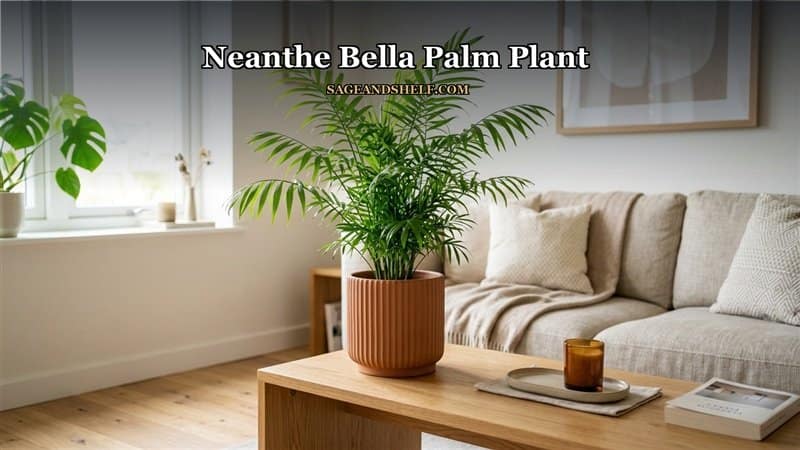
Adding lush tropical greenery to interior living spaces brings refreshing vibrancy, calming energy, and natural texture indoors. Botanically classified as Chamaedorea elegans, this compact palm has delighted indoor gardeners since the Victorian era. Specifically, growing a neanthe bella palm plant provides timeless feathery charm without demanding complicated maintenance routines. In addition, this resilient species purifies indoor air efficiently while tolerating lower light levels gracefully.
Unlike finicky tropical plants that drop leaves under fluctuating humidity, parlor palms adapt easily to residential environments. Furthermore, their compact growth habit suits coffee tables, office credenzas, and bedroom corners perfectly. Therefore, incorporating living greenery into your home decor fosters everyday wellness and tranquility. When exploring botanical inspirations like to plant a garden is to believe in tomorrow, indoor palms offer rewarding beginnings. Consequently, mastering care for your neanthe bella palm plant delivers effortless greenery for years.
Understanding the Neanthe Bella Palm Plant: Origins and Versatility.
Native to the dense rainforest understories of southern Mexico and Guatemala, this palm thrives in dappled shade. Because native canopies shield them from blazing sunlight, direct rays scorch their delicate fronds quickly. Cultivating a neanthe bella palm plant indoors requires mimicking this gentle forest floor climate carefully. Moreover, slow growth rates mean your plant retains its tidy architectural silhouette for several seasons. In addition, parlor palms rarely exceed four feet in height indoors, preventing spatial crowding. Consequently, this versatile palm remains a top choice for modern apartment living.
| Care Factor. | Optimal Indoor Target. | Frequent Risk. | Corrective Action. |
|---|---|---|---|
| Sunlight Level. | Bright Indirect Light. | Direct Sun Scorch. | Move Behind Sheer Curtains. |
| Watering Routine. | Top 50% Soil Dries. | Root Rot from Soggy Soil. | Allow Soil to Drain. |
| Room Humidity. | 45% to 60% Humidity. | Crispy Brown Frond Tips. | Use Pebble Humidity Trays. |
| Pet Safety. | 100% Non-Toxic. | Physical Frond Chewing. | Elevate on Plant Stands. |
1. Optimize Filtered Lighting: Thriving in Gentle Ambient Shade.
Parlor palms naturally grow beneath towering jungle trees, making them exceptionally tolerant of low to medium indoor light. Position your palm near east-facing or north-facing windows where it receives bright, diffused morning sunlight. Avoid placing plants directly in hot west-facing windows where harsh afternoon rays bleach leaves yellow.
If your living space lacks natural windows, fluorescent office lighting or LED grow lights provide sufficient energy. Rotate the pot a quarter-turn each week to encourage balanced, symmetrical foliage growth on all sides. Furthermore, dark green fronds indicate healthy chlorophyll levels under moderate indoor light conditions. Therefore, gentle indirect illumination keeps your palm vibrant without risking foliage burn.
2. Perfect Watering Schedules: Preventing Overwatering and Root Rot.
Overwatering is the primary cause of houseplant decline among enthusiastic indoor gardeners. Never allow your palm roots to sit in stagnant water collected inside decorative drip saucers. Instead, insert your finger two inches into the potting soil before picking up your watering can.
Water thoroughly only when the top half of the potting soil feels completely dry to the touch. Pour room-temperature water evenly across the soil until moisture drains freely through the bottom holes. Moreover, reduce watering frequency noticeably during cool winter dormancy months when vegetative growth slows. Consequently, disciplined watering prevents soggy potting soil and protects fragile root systems permanently.
3. Select Well-Draining Soil Mixes and Breathable Planters.
Dense garden soil compacts tightly inside containers, suffocating roots and impeding necessary oxygen exchange. Plant your palm in a light, porous potting mix formulated with peat moss, perlite, and pine bark. This airy blend retains essential moisture while allowing surplus water to escape rapidly.
Choose ceramic terracotta pots or unglazed clay planters equipped with generous bottom drainage holes. Terracotta breathes naturally, allowing excess moisture to evaporate evenly through the clay pot walls. In addition, styling your palm on a desk with floating shelves introduces organic warmth into home offices. Ultimately, pairing porous potting mixes with breathable planters guarantees healthy root respiration.
4. Boost Ambient Humidity: Eliminating Crispy Brown Leaf Tips.
Modern household air conditioning and winter central heating dry indoor air drastically below tropical comfort levels. When humidity drops below forty percent, the delicate leaflet tips of parlor palms turn dry and crispy. Maintain relative indoor humidity between fifty and sixty percent to keep fronds supple and green.
Place a shallow tray filled with river pebbles and water beneath your planter to generate local humidity. As the water evaporates naturally, it creates a moist microclimate around the surrounding foliage. Furthermore, group multiple houseplants together so their collective transpiration boosts surrounding air moisture. In addition, run a cool-mist ultrasonic humidifier nearby during dry winter months to protect tender leaf tips. Therefore, maintaining consistent humidity prevents brown frond tips completely.
5. Embrace 100% Non-Toxic Pet Safety: Living Peacefully with Pets.
Many popular indoor houseplants contain insoluble calcium oxalate crystals that poison curious cats and dogs. Fortunately, the ASPCA classifies the parlor palm as completely non-toxic and pet-safe for domestic animals. You can display your lush green palm on floor-level plant stands without endangering furry companions.
Although non-toxic, chewing fibrous palm fronds may cause minor stomach upset or plant damage. Discourage pets from swatting feathery fronds by placing pots on elevated wooden plant pedestals. In addition, misting lower leaves with diluted lemon juice acts as a harmless, natural pet deterrent. Consequently, pet owners enjoy breathtaking tropical houseplant styling with complete peace of mind.
6. Pruning and Cleaning: Maintaining Glossy Dust-Free Foliage.
Over time, indoor household dust settles across palm fronds, blocking sunlight absorption and inhibiting efficient photosynthesis. Wipe leaves gently with a damp microfiber cloth once monthly to remove dust and restore natural luster. Never apply commercial leaf shine chemical sprays, as they clog delicate stomata pores on palm fronds.
As parlor palms mature, older bottom fronds naturally turn brown and dry out as new growth emerges. Trim dead lower stems near the soil line using clean, sterilized bypass pruning shears. Avoid pulling or tearing dry fronds by hand to prevent damaging the central plant crown. Therefore, regular cleaning and light pruning keeps your palm looking pristine and healthy.
7. Interior Decor Styling: Elevating Modern and Bohemian Spaces.
The graceful, arching fronds of parlor palms complement diverse interior design aesthetics effortlessly. Pair your green palm with fluted neutral planters to enhance minimalist Scandinavian living rooms seamlessly. Alternatively, slip nursery pots into handwoven seagrass baskets to cultivate relaxed bohemian beach house vibes.
Set miniature palms on bathroom vanity counters where natural shower humidity nourishes tropical foliage daily. Furthermore, cluster varying palm heights together in empty living room corners to create a lush indoor jungle. In addition, pairing palms with matte black hardware creates striking modern contrast. Consequently, styling your neanthe bella palm plant infuses every room with bespoke architectural elegance.
Seasonal Feeding and Repotting Guidelines for Parlor Palms.
Caring for indoor palms requires gentle nutritional support during active spring and summer growth cycles:
- Dilute Liquid Fertilizer: Feed monthly with balanced houseplant fertilizer diluted to half strength during summer.
- Withhold Winter Nutrients: Stop fertilizing completely during autumn and winter when plant metabolism rests.
- Infrequent Repotting Needs: Repot only every two to three years because palms prefer being slightly root-bound.
- Preserve Root Balls: Handle delicate root systems gently when moving plants into slightly larger containers.
Common Palm Care Mistakes to Avoid.
Many beginner plant parents make avoidable errors that stress delicate indoor palm foliage. Exposing palms to cold drafty window panes or direct air conditioning vents causes sudden leaf drop. Always position plants in stable room temperatures between sixty-five and eighty degrees Fahrenheit.
Another frequent error is using tap water high in fluoride, chlorine, and mineral salts. Chemical additives accumulate in soil over time, causing stubborn brown frond tips and yellow leaf margins. Instead, use filtered tap water, captured rainwater, or distilled water to keep foliage pristine. Following these simple precautions guarantees thriving indoor greenery.
Frequently Asked Questions About Neanthe Bella Palm Plant.
Q1: How often should you water a neanthe bella palm plant?
Water approximately once every seven to ten days when the top two inches of soil feel dry.
Q2: Is a parlor palm the same as a neanthe bella palm plant?
Yes, parlor palm and neanthe bella palm are common names for the exact same botanical species.
Q3: Why are my palm leaf tips turning yellow?
Yellow fronds usually indicate overwatering, poorly draining soil, or direct exposure to harsh drafty vents.
Q4: Can neanthe bella palms survive in windowless rooms?
Yes, parlor palms tolerate low light and thrive under standard fluorescent or LED artificial office lighting.
Conclusion: Enjoy Lush Tropical Greenery Indoors.
In conclusion, cultivating a neanthe bella palm plant is one of the most rewarding houseplant experiences. By providing filtered ambient light, watering cautiously, and maintaining pleasant humidity, you ensure flourishing botanical health. Remember to use well-draining soil, wipe dusty fronds regularly, and avoid harsh chemical leaf sprays. Bring home a neanthe bella palm plant today to enjoy timeless tropical beauty in your sanctuary.
Visit sageandshelf for more details.