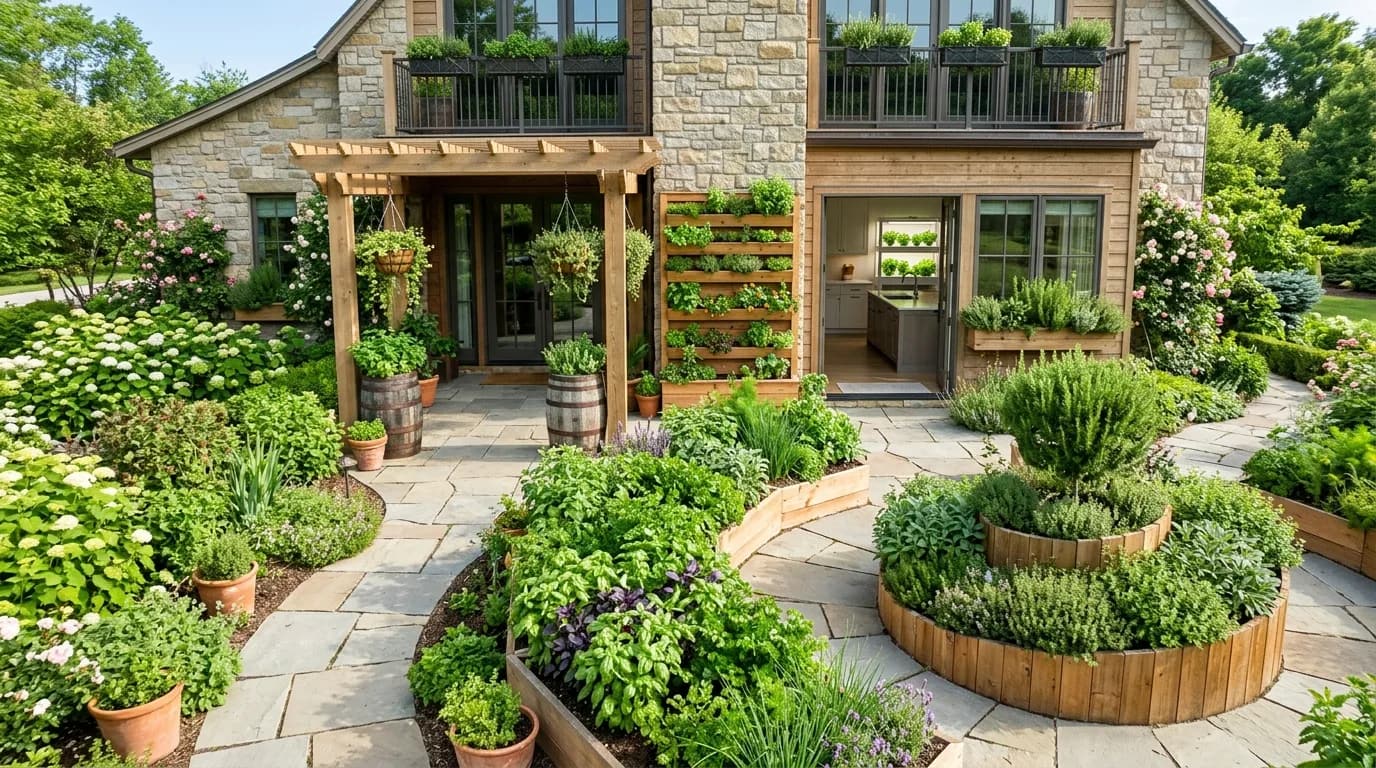
To Plant a Garden Is to Believe in Tomorrow: 7 Best Proven Steps

Tucking a tiny seed into fertile earth represents an intimate act of optimism. When practicing gardening, you invest patience today for blossoms. Specifically, remembering that to plant a garden is to believe in tomorrow inspires mindful living. Furthermore, tending greenery connects us with natural seasons. In addition, backyard beds provide fresh produce.
Many gardeners hesitate because they fear mistakes or failed sprouts. However, nature rewards consistent care and thoughtful soil preparation. Therefore, embracing the truth that to plant a garden is to believe in tomorrow transforms your mindset. With basic tools, anyone can cultivate vibrant spaces. Consequently, nurturing plants builds daily resilience.
What Does It Mean That to Plant a Garden Is to Believe in Tomorrow?
The phrase to plant a garden is to believe in tomorrow signifies that gardening is fundamentally rooted in future hope. Sowing dormant seeds requires faith that sunlight, water, and soil will yield future blossoms, fresh food, and seasonal renewal.
Moreover, this philosophy encourages patience in our fast-paced world. In addition, cultivating plants creates sustainable outdoor habitats for birds and pollinators. Consequently, understanding how to plant a garden is to believe in tomorrow enriches personal wellbeing.
| Garden Space Style. | Estimated Startup Cost. | Ideal Sunlight Need. | Expected First Harvest. |
|---|---|---|---|
| Raised Cedar Bed. | $85 to $160. | 6 to 8 Hours Full Sun. | 45 to 60 Days. |
| Container Patio Garden. | $35 to $75. | 5 to 7 Hours Direct Sun. | 30 to 50 Days. |
| In-Ground Vegetable Plot. | $50 to $120. | 6+ Hours Direct Sun. | 50 to 75 Days. |
| Pollinator Flower Border. | $40 to $90. | 4 to 6 Hours Sun. | 60 to 90 Days. |
Step 1: Choose the Optimal Garden Spot and Sunlight Exposure.
Sunlight drives photosynthesis, fruit production, and floral blooms. Most edible vegetables require at least six hours of direct sunlight. Therefore, observe shadow patterns across your yard before installing beds.
Furthermore, place beds near spigots to simplify hydration. In addition, avoid planting beneath thirsty trees that steal nutrients. Ultimately, strategic location selection proves that to plant a garden is to believe in tomorrow.
Step 2: Build Nutrient-Dense Living Soil with Organic Compost.
Healthy soil contains beneficial microbes that feed roots. Avoid compacted clay by amending beds with aged compost. Mix organic compost with topsoil and perlite for optimal drainage.
| Gardening Tool / Material. | Recommended Spec. | Estimated Cost. | Primary Gardening Purpose. |
|---|---|---|---|
| Raised Cedar Bed. | 4-Foot x 8-Foot x 12-Inch. | $65 to $110. | Provides loose root depth. |
| Organic Compost. | Aged Manure & Leaf Humus. | $8 per bag. | Enriches soil microbial life. |
| Drip Irrigation Kit. | 1/2-Inch Mainline with Emitters. | $28 to $45. | Delivers water to roots. |
| Ergonomic Hand Trowel. | Rust-Proof Cast Aluminum. | $12 to $16. | Digs planting holes cleanly. |
Specifically, soil texture should feel crumbly and smell earthy. Test soil pH with an inexpensive meter, aiming for neutral readings. In addition, organic matter retains moisture during hot afternoons. Therefore, thorough soil preparation demonstrates that to plant a garden is to believe in tomorrow.
Step 3: Select Resilient Heirloom Seeds and Companion Varieties.
Choosing heirloom seeds ensures disease resistance and exceptional flavor. Pair tomatoes with aromatic basil and marigolds to deter pests. Companion planting boosts plant vigor without synthetic sprays.
Next, map cool-season crops like spinach alongside warm peppers. Maintaining diverse crop varieties balances soil nutrient absorption across seasons. In addition, choose varieties suited to your hardiness zone. Consequently, thoughtful seed selection reinforces that to plant a garden is to believe in tomorrow.
Step 4: Install Water-Wise Drip Irrigation and Organic Mulch.
Inconsistent watering stresses roots and causes blossom rot. Install a drip irrigation kit connected to a timer for uniform hydration. Soaker tubing delivers moisture directly to root zones without wetting foliage.
Furthermore, spread a two-inch layer of straw or mulch. Mulching suppresses weeds, moderates soil temperature, and reduces evaporation. In addition, decaying mulch enriches soil structure over time. Therefore, mindful water conservation nurtures healthy growth throughout summer seasons.
Step 5: Sow Seeds at Proper Depths and Spacing Intervals.
Planting seeds deeply starves sprouts of oxygen and light. As a general rule, sow seeds at depths equal to three times their thickness. Gently press loose soil over seeds and mist lightly.
Next, thin crowded seedlings once first leaves appear. Proper spacing allows mature roots to expand freely and promotes airflow. In addition, label rows with weather-resistant plant tags. Consequently, careful seed planting confirms that to plant a garden is to believe in tomorrow.
Step 6: Practice Organic Pest Management and Mindful Pruning.
Weekly inspections allow you to catch insect pests early. Remove hornworms and beetles by hand, dropping them into soapy water. Spray organic neem oil during evening hours to control aphids.
Furthermore, prune foliage to increase sunlight and prevent spores. Pinch off sucker shoots on tomato vines to channel energy toward fruit. In addition, encourage ladybugs in your garden. Ultimately, gentle organic care proves that to plant a garden is to believe in tomorrow.
Step 7: Harvest Peak Produce and Sow Continuous Crops.
Harvesting vegetables in early morning preserves crisp textures. Snip leafy greens and herbs frequently to stimulate vigorous new growth flushes. Leaving overripe vegetables on vines signals plants to stop flower production.
Next, plant bush beans in empty spots for harvests. Succession planting maximizes garden yield from compact spaces and extends productive seasons. In addition, save heirloom seeds from healthy specimens for next year. Therefore, continuous harvests demonstrate that to plant a garden is to believe in tomorrow.
Common Gardening Mistakes to Avoid for Healthy Growth.
Beginning gardeners often make mistakes that hinder crop yields. For instance, overwatering drowns roots and causes damping-off disease in young seedlings. Always check soil moisture with your finger before turning on irrigation lines.
Another frequent error is crowding plants for bigger yields. In contrast, giving plants adequate breathing room prevents powdery mildew and promotes larger fruit development. By avoiding these common pitfalls, understanding that to plant a garden is to believe in tomorrow guarantees success.
Mental Wellbeing and Environmental Rewards of Daily Gardening.
Tending a garden offers proven therapeutic benefits for stress relief. In fact, working with soil releases mood-elevating serotonin and grounds attention in present moments. Daily garden walks foster mindfulness while providing rewarding physical exercise outdoors.
Afterward, harvesting your own organic food brings deep personal satisfaction and vitality. Consequently, embracing nature connects families with sustainable abundance.
Frequently Asked Questions About Believing in Tomorrow Through Gardening.
Q1: What is the easiest vegetable to plant for beginning gardeners?
Bush green beans, radishes, and looseleaf lettuce germinate quickly and produce reliable harvests within thirty to fifty days.
Q2: How often should I water my newly planted backyard garden?
Newly sown seeds need light daily misting, while established plants require one to two inches of deep weekly soaking.
Q3: Why is Audrey Hepburn quote about gardens so enduring?
Her famous quote reminds us that gardening requires patience, nurturing faith, and a deep commitment to future life.
Conclusion: Cultivate Hope and Abundance in Your Garden.
In summary, starting a flourishing garden combines fertile organic soil, consistent watering, and attentive seasonal care. By choosing sunny locations, selecting resilient seeds, and practicing succession planting, you build a thriving green sanctuary. Embrace this rewarding journey, remember that to plant a garden is to believe in tomorrow, and celebrate every new sprout.
Visit sageandshelf for more details.