Painted Bathroom Ceiling: 7 Best Design Ideas & Tips
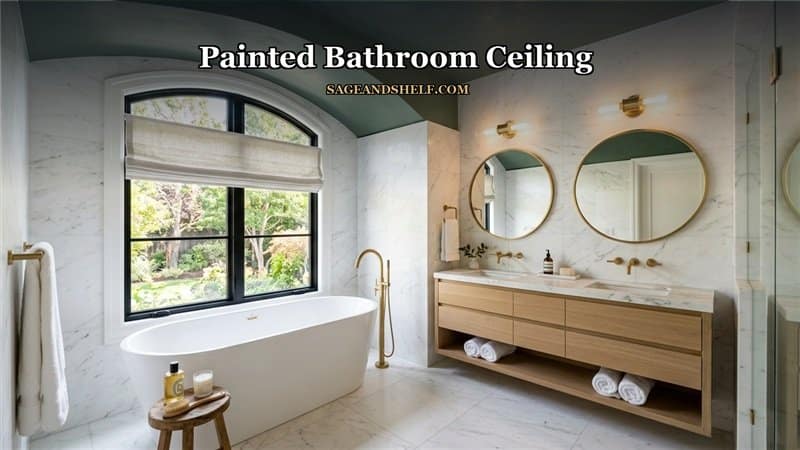
Treating the ceiling as a fifth wall creates an instant luxury upgrade across modern residential bathrooms. When applying specialized moisture-resistant paint overhead, standard powder rooms feel like high-end wellness sanctuaries. Specifically, designing a painted bathroom ceiling adds architectural depth, highlights crown trim, and balances crisp wall tiles. In addition, rich overhead colors draw eyes upward, making compact spaces appear remarkably spacious.
Many homeowners hesitate to paint overhead surfaces, fearing dark pigments might make bathrooms feel confined. However, choosing the correct sheen and complementary undertones delivers cohesive, sophisticated designer harmony. Therefore, exploring curated overhead color palettes helps you personalize your bathroom effortlessly. When paired with expert advice from a comprehensive house renovation guide, remodeling projects proceed smoothly. Consequently, discovering the magic of a painted bathroom ceiling transforms mundane spaces into boutique retreats.
Understanding the Design Power of a Painted Bathroom Ceiling.
Bathroom ceilings endure constant steam cycles, temperature fluctuations, and moisture condensation daily. Selecting the proper painted bathroom ceiling color and paint formula ensures long-lasting beauty without flaking. Specifically, moisture-sealed overhead paint prevents water absorption and stops dangerous mildew spores from multiplying. Moreover, introducing saturated color above neutral tile work creates captivating visual focus. In addition, thoughtful ceiling colors flatter warm vanity lighting and enhance morning skincare routines. Consequently, overhead paint serves as both protective armor and high-impact decorative art.
| Paint Sheen Finish. | Moisture Resistance. | Light Reflection. | Best Bathroom Type. |
|---|---|---|---|
| Satin Acrylic Enamel. | Superior Moisture Barrier. | Soft Pearl Glow. | Full Family Bathrooms. |
| Semi-Gloss Enamel. | Maximum Water Shield. | High Radiant Sheen. | Steamy Master Suites. |
| Eggshell Acrylic. | Moderate Protection. | Low Subtle Luster. | |
| Specialty Matte Bath. | Built-In Antimicrobial. | Velvety Zero-Glare. | Luxury Powder Rooms. |
1. Deep Moody Hues: Adding Dramatic Elegance with Navy and Charcoal.
Dark ceiling colors create an intimate, cocoon-like atmosphere in modern master suites. Saturated charcoal, midnight navy, and forest green provide striking contrast against white subway wall tiles. First, paint overhead surfaces with deep hues to ground expansive, high-ceiling bathrooms effectively.
Complement rich dark ceilings with polished brass sconces and warm natural wood vanities. Furthermore, dark pigments conceal minor drywall imperfections and uneven ceiling joist lines effortlessly. In addition, moody overhead tones evoke the relaxing ambiance of five-star luxury hotel spas. Therefore, bold dark colors remain a top choice for modern luxury statement bathrooms.
2. Organic Sage and Olive Greens: Infusing Tranquil Nature Vibes.
Earthy botanical tones create an immediate biophilic connection with nature indoors. Painting bathroom ceilings in soft sage, eucalyptus, or olive green introduces serene, calming energy. These organic green tones balance polished marble surfaces and natural stone flooring seamlessly.
Pair sage ceiling paint with lush potted ferns, woven wicker baskets, and brushed nickel hardware. Moreover, green undertones reflect flattering, soft ambient light onto morning vanity mirrors. In addition, botanical ceiling accents help relax tired eyes after demanding workdays. Consequently, earthy green ceilings turn standard shower routines into refreshing nature escapes.
3. Soft Warm Neutrals: Expanding Compact Powder Rooms.
Small powder rooms benefit tremendously from warm, luminous overhead tones. Rather than defaulting to stark surgical white, explore creamy beige, pale sand, or champagne. In particular, coordinating ceiling trim with sophisticated wall tones like pale oak paint color creates seamless airy transitions.
Warm neutral ceilings soften sharp architectural angles and eliminate harsh overhead shadows. Furthermore, pale tones reflect bounce lighting from vanity fixtures into every room corner. In addition, neutral overhead palettes provide a versatile backdrop for seasonal decor swaps. Therefore, subtle warm neutrals maximize spatial brightness in windowless bathroom layouts.
4. Monochromatic Color Drenching: Wrapping Walls and Ceilings.
Color drenching is an influential interior trend where walls, trim, and ceilings share identical colors. Applying a single uniform paint hue across every surface eliminates distracting visual boundaries. This seamless technique makes compact bathrooms feel surprisingly expansive and cohesive.
Choose a soothing mid-tone hue like terracotta, dusty rose, or dusty blue for full immersion. Next, use satin finishes on ceilings while using semi-gloss enamel on baseboards and doors. This subtle texture variation creates sophisticated visual interest without breaking the color canopy. Consequently, monochromatic color drenching delivers modern, editorial designer impact easily.
5. High-Gloss Lacquer Ceilings: Reflecting Radiant Natural Light.
If your bathroom has limited square footage or small windows, consider high-gloss ceiling lacquer. Ultra-reflective paint finishes act like overhead mirrors, bouncing light across walls continuously. This lustrous technique infuses vintage and contemporary bathrooms with glamorous art deco flair.
High-gloss paint requires meticulous drywall smoothing because high shine highlights every minor ridge. First, skim coat and wet sand drywall seams until the surface is glassy smooth. Next, apply two coats of high-gloss moisture-resistant enamel with a fine-nap foam roller. Ultimately, high-gloss finishes create dazzling water-like reflections above soaking tubs.
6. Crisp Architectural Contrast: Framing Bold Tile and Crown Molding.
If your bathroom features detailed crown molding, a colored ceiling accentuates woodwork dramatically. Painting the ceiling a contrasting color makes white decorative trim pop crisply into focus. This technique defines room proportions while showcasing custom woodworking craftsmanship clearly.
Choose a ceiling color that pulls subtle accent pigments from your mosaic floor tiles. In addition, keep adjacent drywall walls white to maintain balanced visual equilibrium. Furthermore, crisp contrast highlights intricate shower tile borders and arched window frames. Therefore, contrasting ceiling paint frames architectural details with polished precision.
7. Mildew-Resistant Paint Formulations: Safeguarding Bathroom Drywall.
High humidity levels make bathroom ceilings prime targets for unsightly black mildew growth. Traditional flat ceiling paints absorb moisture, leading to bubbling, cracking, and peeling. Always choose specialized bath and spa paints formulated with active antimicrobial mildewcides.
These premium coatings form an impermeable moisture barrier that repels daily shower steam. Next, ensure your bathroom exhaust ventilation fan operates at proper cubic-feet-per-minute airflow capacity. In addition, allow the newly painted ceiling to cure for forty-eight hours before taking hot showers. Consequently, using specialized moisture-resistant coatings preserves your painted bathroom ceiling for years.
Step-by-Step Prep and Painting Process for Bathroom Ceilings.
Achieving a professional ceiling finish requires thorough preparation and systematic application:
- Clean Surface Thoroughly: Wash drywall with dilute TSP solution to remove soap scum and hairspray residue.
- Patch Minor Imperfections: Fill fastener divots with moisture-resistant spackling paste and sand smooth.
- Apply Stain-Blocking Primer: Roll high-adhesion primer to seal water stains and prevent bleed-through.
- Roll Paint in Consistent Rows: Maintain a wet edge using quality microfiber roller sleeves for streak-free coverage.
Common Bathroom Ceiling Painting Mistakes to Avoid.
Many enthusiastic DIYers make preventable mistakes when painting high-humidity bathroom ceilings. Skipping stain-blocking primer allows old watermarks and rust stains to bleed through fresh topcoats. Always seal bathroom drywall thoroughly before applying your final colored paint layers.
Another frequent mistake is applying standard flat ceiling paint in steamy shower areas. Flat paint lacks moisture barriers, causing steam condensation to leave visible drip marks. Instead, invest in dedicated satin or anti-microbial bath paints that resist moisture scrubbing. Taking these precautions guarantees flawless, long-lasting overhead beauty.
Frequently Asked Questions About Painted Bathroom Ceilings.
Q1: What is the best paint finish for a bathroom ceiling?
Satin and specialized moisture-resistant matte paints offer the best balance of water resistance and low glare.
Q2: Will a dark painted ceiling make my small bathroom look smaller?
No, dark ceiling colors blur room boundaries and create an expansive, high-end cocooning effect.
Q3: Do I need a primer before painting a bathroom ceiling?
Yes, an anti-mold stain-blocking primer seals drywall, prevents peeling, and ensures uniform paint adhesion.
Q4: How long should paint dry before using the shower?
Allow bathroom ceiling paint to dry and cure for at least twenty-four to forty-eight hours.
Conclusion: Transform Your Bathroom Overhead with Style.
In conclusion, designing a painted bathroom ceiling is a cost-effective way to elevate your home. By selecting moisture-resistant formulas, balancing room lighting, and trying creative color palettes, you create timeless luxury. Remember to prep surfaces diligently, seal moisture barriers, and coordinate trim accents thoughtfully. Embrace a painted bathroom ceiling today to craft a stunning personal oasis you will cherish daily.
Visit sageandshelf for more details.