Toilet Backing Up into Tub: 7 Proven Causes & Fixes
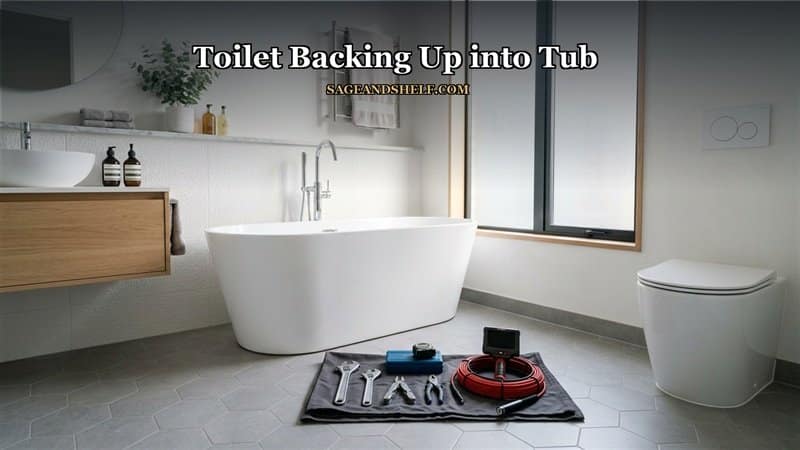
Flushing a bathroom commode only to watch murky wastewater surge into your shower creates instant homeowner panic. When water pathways in a residential sanitary sewer become obstructed, wastewater seeks the lowest available escape route. Specifically, discovering your toilet backing up into tub fixtures indicates a serious blockage downstream in your plumbing lines. In addition, prompt diagnostic action prevents severe water damage, structural floor rot, and toxic indoor contamination.
Most modern homes link bathtub drains and toilets together along a shared waste branch under the floor. Because bathtubs sit at the lowest elevation, trapped sewage naturally bubbles upward through the shower strainer. Therefore, identifying the exact obstruction source saves substantial money and avoids expensive emergency contractor fees. When paired with a reliable house renovation guide, diagnosing complex home infrastructure becomes straightforward. Consequently, understanding why you have a toilet backing up into tub drains helps you resolve clogs permanently.
Understanding the Mechanics: Why Toilet Water Surges into Toilet Backing Up into Tub.
Plumbing systems rely strictly on downward gravity and air pressure to carry wastewater away from your home. When a mainline clog forms, flushed water hits an impenetrable barrier and reverses direction immediately. Because your toilet rim sits higher than the tub floor, back pressure forces dirty liquid upward into the basin. Moreover, continuing to run sink faucets or washing machines worsens the overflow rapidly. In addition, stagnant sewer water introduces harmful bacteria and unpleasant airborne odors into living quarters. Consequently, addressing these plumbing bottlenecks promptly preserves indoor sanitation and peace of mind.
| Blockage Source. | Primary Warning Sign. | Recommended Solution. | Urgency Level. |
|---|---|---|---|
| Main Sewer Lateral. | Multiple Drains Gurgling. | Motorized Drain Snake. | Critical Emergency. |
| Secondary Branch Pipe. | Isolated Bathroom Backup. | Manual Hand Auger. | High Priority. |
| Blocked Roof Vent. | Slow Drainage & Odors. | Roof Vent Clearing. | Moderate Priority. |
| Tree Root Intrusion. | Recurring Deep Clogs. | Professional Hydro Jet. | Critical Emergency. |
1. Main Sewer Line Obstruction: Clearing the Main Waste Lateral.
A clogged main sewer lateral is the most frequent cause of widespread residential drainage failure. Everything you flush or rinse travels through this single four-inch pipe toward municipal sewer mains. When this main conduit clogs, flushed toilet waste backs up into lower tub drains instantly.
First, locate your outdoor cleanout pipe and unscrew the threaded cap carefully. If standing sewage spills out of the cleanout, the blockage lies further toward the street. Feed a motorized drain auger through the cleanout to cut through grease, paper, and waste clogs. In addition, rent a commercial plumbing snake from local tool centers for heavy-duty clearing power. Therefore, clearing the main lateral restores free-flowing drainage across every household fixture.
2. Shared Secondary Branch Clog: Snaking the Bathroom Line.
Sometimes the main sewer pipe flows freely, but an obstruction chokes the local bathroom branch. Toilets and tubs share a common horizontal waste arm before joining the vertical soil stack. Hair clumps, hardened soap scum, and toilet paper accumulate within this shared pipe section over time.
Remove the bathtub drain strainer and overflow cover plate using a standard screwdriver. Next, insert a twenty-five-foot hand auger directly into the overflow pipe opening. Crank the cable handle clockwise while pushing forward to snag and extract stubborn hair masses. Furthermore, flush the line with boiling hot water once the cable moves smoothly. Consequently, clearing local branch lines resolves isolated bathroom backups without touching main sewer pipes.
3. Blocked Roof Plumbing Vent: Restoring Proper Air Intake.
Every residential plumbing network requires vertical roof vent pipes to equalize atmospheric pressure inside waste lines. Without proper ventilation, rushing water creates a negative vacuum that pulls air through nearby traps. Bird nests, dry leaves, and winter ice often clog open roof vent pipes completely.
Climb safely onto your roof and inspect the open vent stack terminal above your bathroom. First, shine a flashlight down the pipe to spot visible leaf debris or animal nests. Next, feed a pressurized garden hose down the vent pipe to flush away soft obstructions. In addition, installing protective vent cap screens prevents future wildlife nesting issues permanently. Therefore, maintaining open roof vents prevents vacuum locks and noisy gurgling drains.
4. Tree Root Intrusion: Eradicating Underground Root Masses.
Thirsty tree roots penetrate older clay, concrete, and cast iron sewer pipes through tiny joint fissures. Once inside, roots feed on nutrient-rich moisture, expanding rapidly into dense wooden root balls. Flushed toilet paper and solid waste snag on these roots, creating stubborn recurrent backups.
Hire a licensed drain specialist to conduct a high-definition sewer camera video inspection. Camera probes pinpoint the exact location, depth, and severity of root penetration along your sewer line. Next, clear the roots using specialized mechanical root-cutting blades or high-pressure hydro jetting equipment. In addition, apply copper sulfate root-killing foam twice annually to inhibit future root growth. Consequently, eliminating root intrusions keeps underground sewer pipes flowing smoothly for years.
5. Flushed Insoluble Products: Banning Unflushable Debris.
Modern flushable wipes, paper towels, and sanitary hygiene products do not dissolve in water easily. Unlike standard toilet paper, synthetic wipes remain intact and create dense woven dams inside pipes. When caught on internal pipe scale, these products trigger sudden toilet backing up into tub emergencies.
Educate all family members and house guests to flush only standard toilet paper and human waste. Place a discreet trash container beside every commode to collect hygiene items safely. In addition, incorporating smart space saving home hacks keeps bathroom essentials organized cleanly. Therefore, keeping synthetic products out of toilets prevents preventable downstream pipe blockages entirely.
6. Collapsed or Bellied Sewer Pipes: Repairing Structural Failures.
Ground settling, seismic shifts, and heavy vehicle traffic above buried pipes can cause sewer lines to sag. This sagging creates a low dip, known as a pipe belly, where standing water collects permanently. Over time, solid waste accumulates inside the low spot, causing recurrent toilet backing up into tub failures.
Severe ground movement can also crush fragile vintage pipes, causing complete structural collapse underground. A diagnostic sewer camera inspection confirms whether your pipe contains a sag, fracture, or total collapse. In many cases, modern trenchless pipe lining or pipe bursting repairs broken sections without trenching lawns. Furthermore, trenchless epoxy relining creates a seamless new structural pipe inside the old broken host. Consequently, modern pipe rehabilitation permanently solves structural drainage failures.
7. Corroded Cast Iron Pipe Scale: Descaling Vintage Waste Stacks.
Homes built before the mid-1980s frequently feature heavy cast iron waste pipes and soil stacks. Over decades of service, interior pipe walls corrode, developing jagged rust flakes called tuberculation scale. Toilet paper and solid waste catch on these sharp rust burrs, causing persistent fixture backups.
Professional plumbers use rotating chain flail machines to scrape interior rust scale from pipe walls safely. After mechanical descaling, hydro jetting flushes loosened rust debris out into municipal sewers completely. In addition, smoothed pipe walls restore original interior diameter and flow velocity significantly. Ultimately, professional descaling extends the working lifespan of vintage cast iron plumbing systems.
Immediate Emergency Steps When Sewage Backs Up into Your Tub.
When you discover sewage rising inside your bathtub, immediate action minimizes home damage:
- Stop Using All Water Fixtures: Shut off water supply valves and do not flush any commodes.
- Turn Off the Washing Machine: Laundry discharge pumps dozens of gallons into clogged lines quickly.
- Wear Protective Safety Gear: Wear heavy rubber gloves, eye protection, and boots around contaminated water.
- Avoid Toxic Chemical Drain Cleaners: Caustic chemicals corrode pipes and splash dangerously during snaking attempts.
Common DIY Mistakes to Avoid During Plumbing Emergencies.
Many well-meaning homeowners make critical errors when attempting to clear stubborn sewer blockages. Pouring harsh chemical lye into standing tub water creates hazardous fumes and damages porcelain finishes. Furthermore, using an undersized toilet plunger often forces dirty water deeper into adjacent bathtub pipes.
Another frequent error is forcing a power snake aggressively through fragile vintage plumbing joints. Excessive rotational torque can crack brittle cast iron or puncture thin brass tubular trap assemblies. Instead, work cables slowly, allowing the cutting head to chew through obstructions steadily. Practicing patience and using proper protective gear ensures safe, successful plumbing repairs every time.
Frequently Asked Questions About Toilet Backing Up into Tub.
Q1: Why does water come up in the tub when the toilet is flushed?
The toilet and tub share a drain line, and downstream clogs force flushed water into the lower tub.
Q2: Is toilet water backing up into the tub a plumbing emergency?
Yes, raw sewage contains hazardous bacteria and pathogens that require immediate containment and clearing.
Q3: Can baking soda and vinegar unclog a main sewer line backup?
No, natural mixtures only clean minor surface grease and cannot dissolve heavy main sewer clogs.
Q4: How do plumbers locate underground sewer clogs?
Plumbers feed fiber-optic video cameras with radio transmitters through pipes to locate blockages precisely. Toilet Backing Up into Tub
Conclusion: Restore Healthy Home Drainage with Confidence.
In conclusion, experiencing a toilet backing up into tub drain is stressful but completely manageable. By inspecting main cleanouts, snaking shared branch lines, and checking roof vents, you can pinpoint the issue. Remember to avoid harsh chemical cleaners and hire licensed professionals for deep underground root intrusions. Take decisive action today to protect your plumbing infrastructure and keep your bathroom fresh and functional.
Visit sageandshelf for more details.