Pale Oak Paint Color: 7 Best Room Ideas & Trim Tips
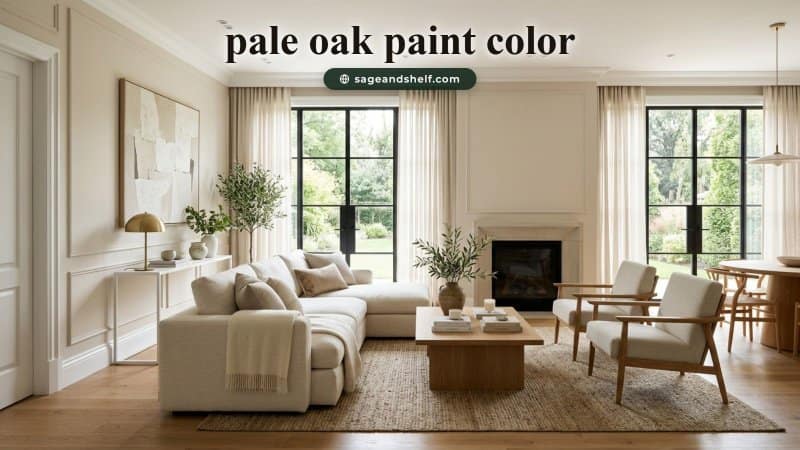
Selecting the perfect neutral wall shade establishes a foundation for home interior design. When exploring architectural paint formulas, subtle greige tones deliver warmth without looking sterile. Specifically, incorporating Benjamin Moore pale oak paint color bridges classic beige with contemporary gray seamlessly. Furthermore, its light reflectivity flatters open-concept living spaces. In addition, thoughtful undertone awareness ensures balanced room illumination.
Over years of interior styling, this versatile greige remains a beloved designer staple. Rather than appearing stark, warm pigments create a luminous atmosphere. Therefore, choosing the pale oak paint color empowers homeowners to curate peaceful living sanctuaries. With proper lighting consideration, walls exude understated luxury. Consequently, curated rooms feel inviting and spacious.
The Color Anatomy and Subtle Undertones of Pale Oak.
Every remarkable neutral pigment exhibits tonal shifts depending on room orientation. In fact, Pale Oak carries a Light Reflectance Value of sixty-eight point six. This rating allows walls to bounce ambient light while retaining cozy warmth.
Furthermore, balanced warm gray pigments prevent washed-out appearances in bright sunlight. Specifically, subtle yellow and taupe undertones provide depth without turning beige. In addition, north-facing cool light highlights its sophisticated gray side. Consequently, the versatile pale oak paint color complements varied architectural styles.
| Specification Metric. | Technical Value. | Visual Characteristic. | Room Performance. |
|---|---|---|---|
| Color Code & Number. | OC-20 / 1022. | Soft Warm Greige. | Whole-house neutral anchor. |
| Light Reflectance Value. | 68.64 LRV. | High Light Bounce. | Brightens darker living zones. |
| Hexadecimal Code. | #ECE5DB. | Creamy Taupe Base. | Pairs with warm wood tones. |
| Primary Undertones. | Warm Gray & Taupe. | Complex Neutral Hue. | Adapts to dynamic daylight. |
Tip 1: Evaluate Natural Light Exposure Across Cardinal Directions.
Sunlight intensity drastically alters how neutral wall colors register throughout the day. In contrast to south-facing rooms bathed in golden light, northern rooms receive cooler daylight. As a result, testing paint swatches across multiple walls is essential.
Specifically, southern exposures amplify the creaminess of this nuanced shade. Furthermore, eastern morning sunlight makes walls glow with gentle warmth. In addition, western afternoon sun enhances cozy greige undertones. Therefore, assessing natural illumination ensures your pale oak paint color shines beautifully.
Tip 2: Pair with Crisp White Trim and Ceiling Finishes.
Pairing warm greige walls with muddy cream moldings produces an uninspired appearance. However, framing walls with clean white trim creates striking architectural contrast. Always test trim samples directly beside your wall swatches.
For instance, Benjamin Moore Chantilly Lace delivers crisp framing outlines. Furthermore, White Dove introduces a softer border without harsh brightness. In addition, painting ceilings in flat white maximizes perceived ceiling height. Consequently, crisp trim pairings make pale oak paint color walls look impeccably tailored.
Tip 3: Build Cohesive Palettes with Deep Contrasting Accents.
Designing an entire home in single neutral tones can feel flat without contrast. In contrast, layering rich charcoal, deep navy, and olive accents introduces sophisticated drama. Anchoring neutrals with contrasting hues creates balanced rhythm.
| Coordinating Shade. | Color Family. | Application Role. | Visual Mood. |
|---|---|---|---|
| Chantilly Lace (OC-65). | Pure Crisp White. | Doors, Baseboards & Trim. | Sharp modern architectural edge. |
| Hale Navy (HC-154). | Deep Saturated Navy. | Accent Walls & Vanities. | Refined coastal contrast. |
| Kendall Charcoal (HC-166). | Rich Slate Charcoal. | Kitchen Islands & Fireplaces. | Dramatic grounding focal point. |
| Revere Pewter (HC-172). | Medium Warm Greige. | Adjacent Hallways & Trim. | Seamless monochromatic flow. |
Specifically, apply dark navy cabinetry against warm greige walls for timeless kitchen elegance. Furthermore, earthy olive textiles introduce tranquility to bedrooms. In addition, matte black hardware provides modern structure throughout bathrooms. Ultimately, curated palettes showcase your pale oak paint color with designer sophistication.
Tip 4: Select Proper Paint Sheens for Every Living Space.
Using shiny sheens on expansive living room walls emphasizes drywall imperfections. Instead, professional painting contractors specify matte or eggshell sheens for main living spaces. Low-luster finishes provide color depth while hiding blemishes.
For instance, eggshell finish provides durable protection in busy family rooms. Furthermore, satin sheen repels moisture effectively across bathroom walls. In addition, semi-gloss enamel protects baseboards and door casings against vacuum scuffs. Therefore, strategic sheen selection preserves pale oak paint color surfaces for years.
Tip 5: Harmonize with Natural Oak and Walnut Flooring.
Certain gray paints clash aggressively with warm honey-toned hardwood floors. However, gentle taupe warmth harmonizes effortlessly with natural wood grains. Organic timber textures ground soft neutral walls naturally.
Specifically, white oak flooring with matte sealers complements warm greige walls. Furthermore, dark walnut furniture provides architectural weight against light backdrops. In addition, woven jute and wool rugs bridge wood flooring with wall finishes. Consequently, organic materials make any pale oak paint color room feel complete.
Tip 6: Establish Seamless Flow in Open-Concept Floor Plans.
Switching wall colors abruptly between connected open spaces creates choppy boundaries. In contrast, utilizing a single unifying neutral across hallways, kitchens, and living rooms expands space. Continuous wall color fosters peaceful continuity.
For instance, carry this shade continuously from entryways through dining areas. Furthermore, introduce distinct accent hues through rugs, pillows, and artwork in each zone. In addition, uniform wall color makes smaller rooms appear noticeably larger. Consequently, whole-home application highlights pale oak paint color versatility.
Tip 7: Test Large Peel-and-Stick Swatches Before Final Painting.
Relying on tiny paint chips often leads to disappointing color surprises. In contrast, applying large twelve-by-twelve peel-and-stick samples reveals true undertones under varying conditions. Moving swatches around rooms ensures complete confidence.
Specifically, observe swatches during morning daylight, afternoons, and evening lamplight. Furthermore, check walls under warm LED bulbs to verify warmth. In addition, sample beside existing countertop and tile surfaces. Therefore, thorough swatching ensures your pale oak paint color delivers desired results.
Common Greige Painting Mistakes to Avoid Proactively.
Even detail-oriented renovators encounter oversights when painting home interiors. For instance, pairing warm greige walls with cool bluish lighting creates an unflattering greenish tint. Specifically, always illuminate rooms with warm LED bulbs.
Another frequent error is skipping primer over dark wall colors before applying neutrals. In contrast, applying high-hide primer ensures true color representation and uniform coverage. By avoiding these common errors, your pale oak paint color investment looks flawless.
Long-Term Value and Timeless Residential Appeal.
Investing in a neutral wall palette delivers returns in aesthetic satisfaction and home value. In fact, prospective homebuyers consistently favor light, luminous greige interiors over polarizing bold colors. For instance, serene walls provide an adaptable backdrop for evolving trends.
Afterward, relaxing within a beautifully coordinated home brings immense daily tranquility. Consequently, choosing the versatile warm greige palette represents an enduring investment in timeless home elegance.
Frequently Asked Questions About Pale Oak Paint Color.
Q1: Is Pale Oak considered warm or cool?
Pale Oak is a warm greige paint that leans warm with subtle yellow-taupe undertones.
Q2: What is the best trim color for Pale Oak walls?
Benjamin Moore Chantilly Lace offers clean modern contrast, while White Dove provides softer transitional warmth.
Q3: Can Pale Oak look yellow or pink in certain rooms?
In low western light, subtle pink-taupe undertones may emerge, while direct southern sun emphasizes creamy warmth.
Conclusion: Transforming Your Home with Timeless Warmth.
In summary, choosing this greige combines light reflectance, versatile undertones, and whole-home continuity. By evaluating daylight, pairing crisp white trim, and testing large swatches, you create magnificent interiors. Embrace these proven design methods, apply the stunning pale oak paint color, and enjoy serene living every day.
Visit sageandshelf for more details.