How to Be Better at Interior Design: Top 7 Pro Tips

Creating an inspiring home requires vision, balance, and thoughtful styling choices. If you want to know how to be better at interior design How to Be Better at Interior Design, you must master everyday comfort. Furthermore, visual elegance plays a role. When exploring contemporary interior design principles, successful decorators focus on authentic warmth. Specifically, learning how to be better at interior design How to Be Better at Interior Design allows homeowners to craft personalized living spaces.
In particular, thoughtful interior decoration transforms chaotic rooms into tranquil sanctuaries. Therefore, developing a trained eye for proportion, color temperature, and lighting is essential. Furthermore, achieving professional results does not require an endless budget. Instead, practicing structured styling habits helps anyone master modern decor concepts with complete confidence.
Understanding the Philosophy: How to Be Better at Interior Design How to Be Better at Interior Design
At its foundation, great decorating creates harmony between human movement and visual beauty. Consequently, discovering how to be better at interior design How to Be Better at Interior Design begins by evaluating daily lifestyle routines. For instance, a lively living room requires durable fabrics and open circulation paths. In addition, quiet reading nooks benefit from focused privacy and gentle ambient illumination.
Moreover, successful interior styling relies on establishing clear focal points within each living space. Specifically, every well-designed room features one dominant hero element. This central anchor immediately captures the eye upon entering. For example, a stone fireplace, a large window, or a textured wall can define the space. Therefore, learning how to be better at interior design How to Be Better at Interior Design ensures secondary furnishings support rather than compete with your primary feature.
Tip 1: Master the Fundamentals of Space Planning and Flow
First, proper space planning serves as the true backbone of every functional layout. Unfortunately, many decorators push furniture against perimeter walls. This common error creates an awkward void in the center. In contrast, floating sofas and conversation chairs creates intimate seating islands. As a result, family members can interact comfortably without feeling disconnected.
Furthermore, maintaining unobstructed walking paths prevents rooms from feeling cramped. For instance, leaving thirty-six inches of clearance between primary furniture pieces ensures effortless mobility. In addition, wide walkways improve safety for children and visiting guests. Consequently, mastering how to be better at interior design How to Be Better at Interior Design means prioritizing spatial breathing room over decorative clutter.
Tip 2: Develop a Cohesive and Balanced Color Palette
Next, selecting a harmonious color palette sets the emotional tone for your entire home. Specifically, professional designers recommend following the proven sixty-thirty-ten color rule. Under this guideline, your dominant base neutral covers sixty percent of room surfaces. Meanwhile, a complementary secondary tone occupies thirty percent, and a bold accent color claims the remaining ten percent.
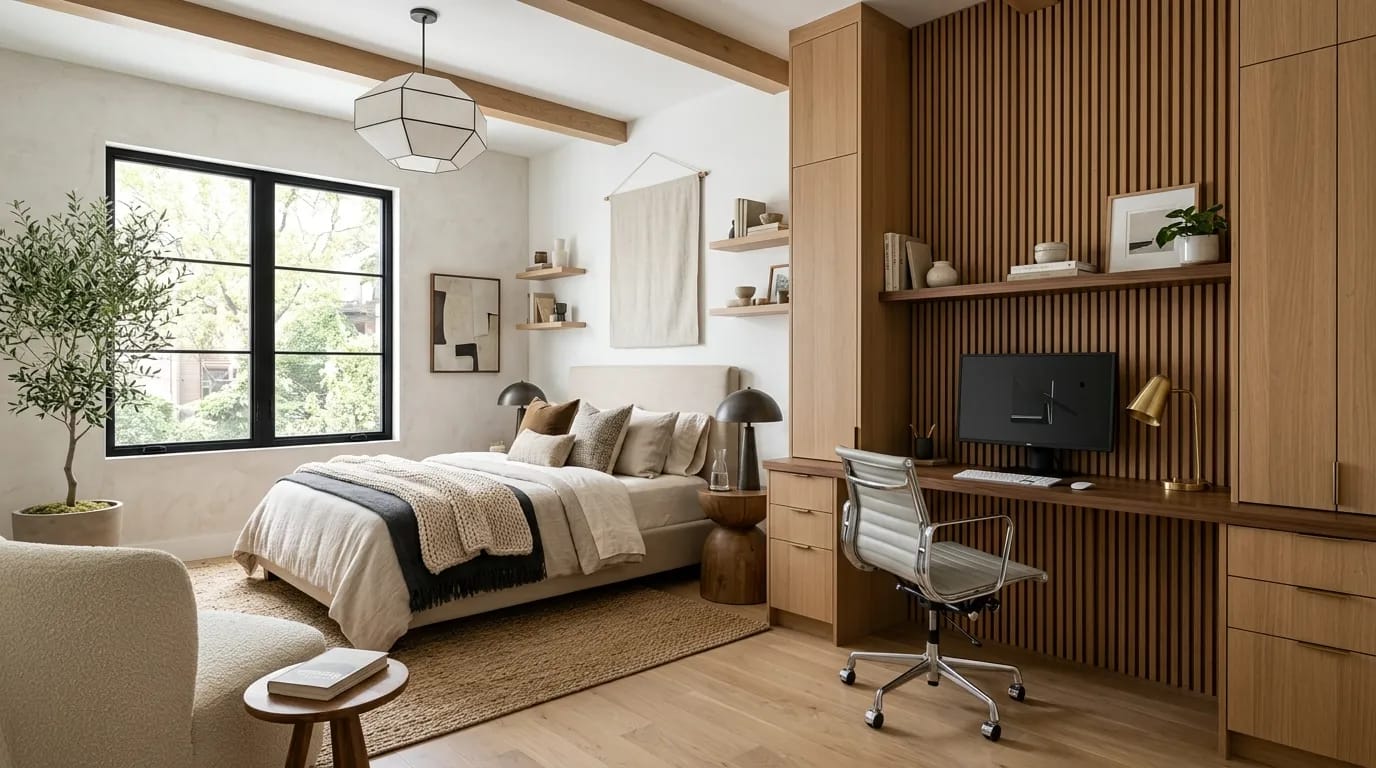
In addition, maintaining consistent undertones across adjoining rooms creates an expansive feeling of continuity. For example, pairing warm oak flooring with creamy linen upholstery produces an inviting, sunlit atmosphere. Therefore, understanding how to be better at interior design How to Be Better at Interior Design empowers you to experiment with rich hues while maintaining overall visual balance.
Tip 3: Layer Strategic Lighting for Depth and Warmth
Lighting is frequently described as the invisible architecture of an interior environment. In fact, relying solely on harsh overhead ceiling fixtures flattens room depth. This harsh light also causes noticeable visual fatigue. Instead, skilled decorators incorporate three distinct lighting layers: ambient general lighting, targeted task lighting, and subtle accent illumination.
For instance, combining dimmable ceiling pendants with sculptural table lamps and recessed wall sconces produces dynamic shadow play. Furthermore, utilizing warm LED bulbs between twenty-seven hundred and three thousand Kelvin creates an inviting golden glow. Additionally, decorative candles introduce relaxing evening accents. Consequently, understanding how to be better at interior design How to Be Better at Interior Design helps you transition room atmospheres smoothly throughout the evening.
Tip 4: Harmonize Diverse Textures and Quality Materials
Monochromatic rooms often appear flat and uninspiring when they lack rich tactile contrast. However, layering varied textures instantly injects warmth, depth, and luxury into any living area. Specifically, combining nubby bouclé fabrics with smooth velvet cushions, brushed brass hardware, and matte ceramic vessels creates captivating visual complexity.
In addition, incorporating organic elements such as natural timber and woven jute rugs grounds modern spaces effortlessly. As a result, contemporary rooms feel relaxed, lived-in, and remarkably welcoming. Furthermore, textured linen throws add casual elegance to leather armchairs. Ultimately, exploring how to be better at interior design How to Be Better at Interior Design teaches decorators to treat tactile variety as an essential design tool.
Tip 5: Curate Functional and Sculptural Furniture Pieces
Selecting furniture requires a careful balance between ergonomic comfort, durable construction, and architectural silhouette. Rather than purchasing matching showroom sets, thoughtful decorators curate eclectic collections over time. For example, pairing a sleek mid-century sofa with handcrafted wooden stools creates an authentic, layered identity.
Furthermore, choosing multi-functional furniture items optimizes interior efficiency across compact urban residences. For instance, storage ottomans, extendable dining tables, and modular shelving units adapt readily to evolving daily needs. Therefore, learning how to be better at interior design How to Be Better at Interior Design ensures that every investment piece serves practical and aesthetic purposes simultaneously.
Tip 6: Optimize Vertical Space and Intentional Wall Styling
Many homeowners restrict their decorating focus exclusively to the lower floor plane. However, drawing the eye upward expands perceived ceiling height. This visual technique also magnifies room volume dramatically. Specifically, hanging curtain rods close to ceiling moldings makes windows appear substantially larger and grander.
Additionally, hanging artwork at optimal gallery eye level prevents disjointed wall displays. For instance, centering canvas frames fifty-seven to sixty inches from the floor creates a unified visual horizon. In addition, statement mirrors reflect natural light into dimmer interior corners. Consequently, practicing how to be better at interior design How to Be Better at Interior Design allows you to showcase personal art collections with gallery-worthy sophistication.
Tip 7: Integrate Biophilic Elements and Living Accents
Bringing natural elements indoors significantly improves mental wellness, focus, and air quality. In particular, architectural houseplants such as fiddle leaf figs, olive trees, and trailing pothos add vibrant organic energy to neutral backdrops.
Furthermore, natural daylight reflections bouncing off polished stone bowls and clay planters cultivate a serene sanctuary vibe. In addition, natural greenery softens sharp structural corners and brings outdoor vitality inside. As a result, living spaces feel refreshed, vibrant, and deeply connected to nature throughout the year. Therefore, mastering how to be better at interior design How to Be Better at Interior Design always includes embracing living botanicals.
Common Pitfalls to Avoid in Modern Interior Decoration
Even passionate design enthusiasts occasionally make preventable decorating mistakes during room renovations. For instance, selecting incorrectly sized area rugs is among the most widespread styling errors. Specifically, undersized rugs make rooms appear small and fragmented. In contrast, properly sized rugs anchor furniture groupings seamlessly.
Another frequent misstep is over-accessorizing surfaces with excessive decorative knick-knacks. Instead, practicing intentional restraint allows significant statement pieces to shine without creating visual noise. By sidestepping these common blunders, decorators maintain refined elegance across every corner of their homes.
Conclusion: Creating Inspiring and Timeless Living Spaces
In summary, mastering modern home decorating is an ongoing creative journey rooted in balance, intention, and authentic self-expression. By implementing structured space planning, harmonious color palettes, layered illumination, and rich textures, you can transform any space into a welcoming masterpiece. Embrace these proven styling principles, trust your creative instincts, and discover how to be better at interior design How to Be Better at Interior Design to craft a home that truly inspires your daily life.
Visit sageandshelf for more details.