Best Home Decoration Tips: 7 Easy Steps to Modern Style

Start With a Plan, Not a Purchase
Before you buy a single throw pillow, take stock of the space itself.
- Measure everything. Room dimensions, doorways, windows, and ceiling height all affect what furniture will actually fit and look proportional.
- Study the natural light. A north-facing room reads cooler and benefits from warm accent colors, while a sun-drenched south-facing room can handle cooler, moodier tones.
- Identify the focal point. A fireplace, a large window, or a statement wall should anchor your furniture arrangement — everything else is built around it.
Skipping this step is the number one reason rooms end up feeling cluttered or oddly proportioned.
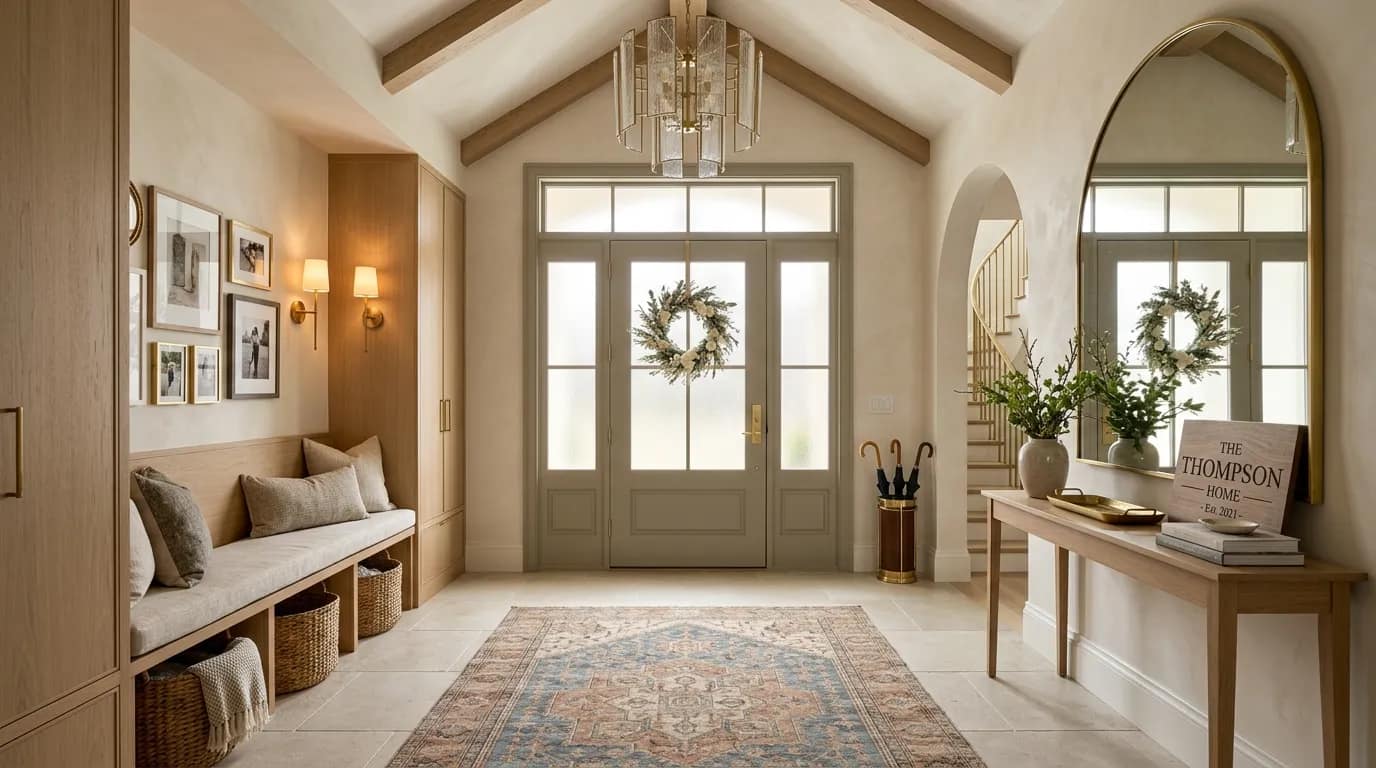
Decoration Tips Best Home Decoration Tips from Best Home Decoration Tips: Choose Your Anchors First
One of the most overlooked decorating tips is this: buy the big pieces before the small ones.
Your “anchors” — the sofa, the bed, the dining table — dictate the scale of everything else in the room, including rug size, art dimensions, and lamp height. Buying a lamp or an accent chair before you’ve settled on your anchor piece almost always leads to mismatched proportions later.
A simple buying order to follow:
- Anchor furniture (sofa, bed, table)
- Rugs and window treatments
- Lighting (ambient, task, and accent layers)
- Art and wall decor
- Accessories and styling pieces
Build a Cohesive Color Palette
Color ties a room together more than almost any other decorating decision. A reliable approach:
- Pick one primary color that will dominate large surfaces (walls, sofa, rug).
- Add one or two accent colors for pillows, art, and smaller decor.
- Use a neutral base (white, beige, greige) to keep the palette from feeling overwhelming.
Before committing to a paint color, test it. Paint a swatch directly on the wall and observe it at different times of day — lighting in a store or on a paint chip rarely matches how a color reads in your actual space.
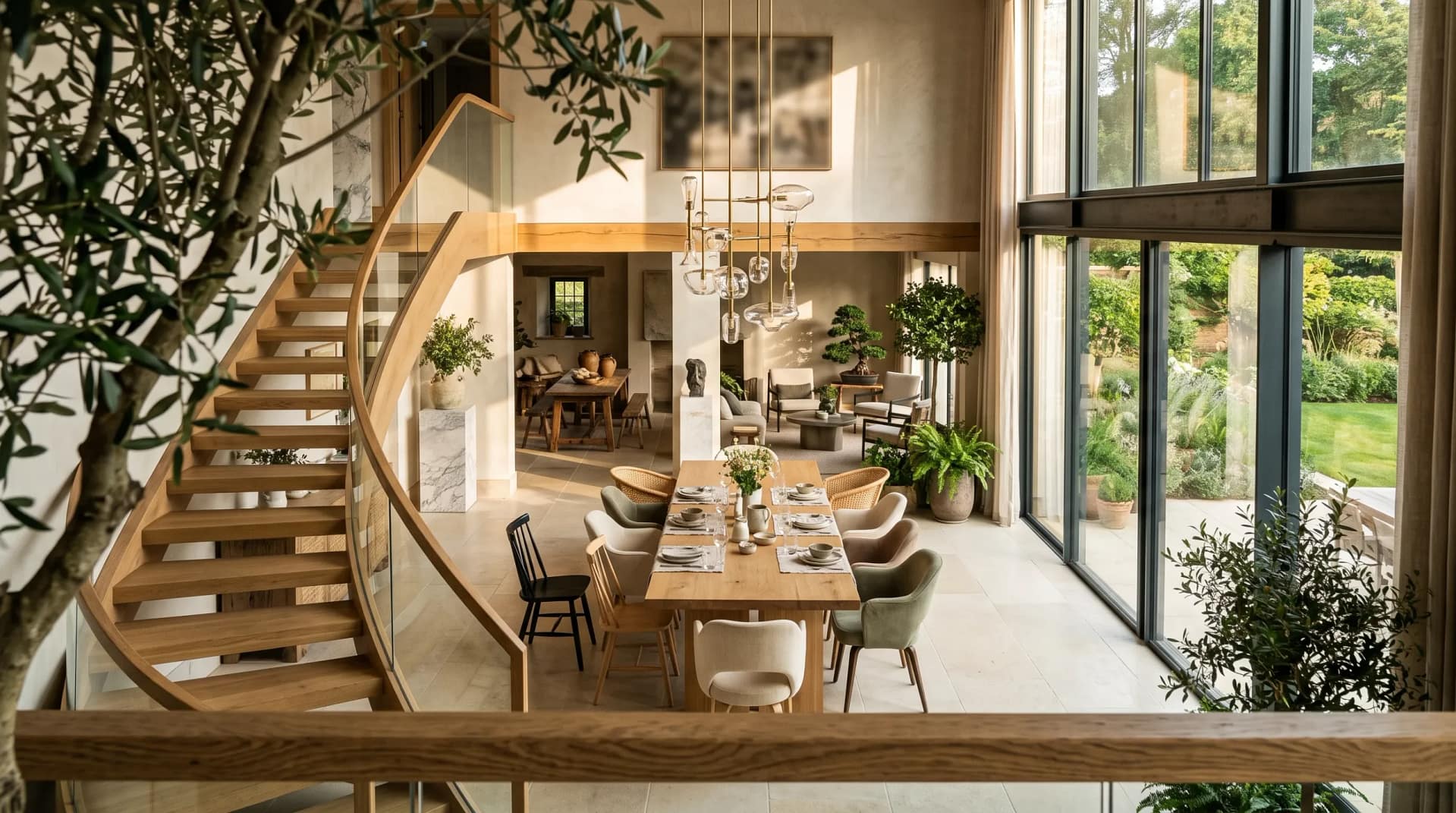
Decoration Tips Best Home Decoration Tips from Best Home Decoration Tips
Layer Your Lighting
A room lit by a single overhead fixture almost always feels flat. Instead, think in three layers:
- Ambient lighting — your main light source, like ceiling fixtures or natural light.
- Task lighting — reading lamps, under-cabinet lighting, desk lamps.
- Accent lighting — wall sconces, picture lights, or LED strips that add depth and highlight specific features.
Combining all three layers creates dimension and makes a space feel finished, even before you’ve added any decorative elements.
Room-by-Room Decorating Tips
Living Room
- Arrange seating around a clear focal point, like a fireplace or media wall.
- Choose a rug large enough that at least the front legs of your furniture sit on it — this visually anchors the seating area instead of making it float.
- Layer textures with throw pillows and blankets to add warmth without clutter.
Bedroom
- Center the bed on the largest wall, ideally away from the door for a sense of calm.
- Use nightstands and lamps that are proportional to the bed size — oversized furniture in a small bedroom will make the space feel cramped.
- Add soft textiles (curtains, rugs, layered bedding) to soften hard surfaces and improve acoustics.
Kitchen
- Keep countertops mostly clear; a few curated items (a cutting board, a bowl of fruit, one small plant) go further than a cluttered surface.
- Use open shelving sparingly and style it with a mix of function and decor — stacked plates, a few cookbooks, one plant.
- Add a runner rug near the sink or stove for both comfort and visual warmth.
Small Spaces
- Choose furniture with visible legs to keep sightlines open and make the room feel larger.
- Use vertical storage (tall bookshelves, wall-mounted cabinets) instead of wide furniture that eats up floor space.
- Mirrors placed opposite windows can visually double a room’s light and sense of depth.
Add Personal Touches Last
Once the foundation is in place — furniture, color, lighting — this is where a home stops looking like a showroom and starts looking like yours. Family photos, travel souvenirs, artwork you genuinely love, and collected objects are what make a space feel personal rather than staged.
A useful rule: aim for a mix of high and low. Combine a few investment pieces (a well-made sofa, a piece of real art) with affordable, easily swapped accents (pillows, throws, seasonal decor). This keeps the room adaptable as your taste evolves, without requiring a full redo every few years. Decoration Tips Best Home Decoration Tips from Best Home Decoration Tips
Common Decorating Mistakes to Avoid
- Pushing all furniture against the walls. Floating furniture slightly away from walls, even a few inches, often creates better flow and conversation areas.
- Undersized rugs. A rug that’s too small makes a room feel disjointed rather than grounded.
- Matching everything too perfectly. A room where every element matches exactly can feel sterile. Aim for coordinated, not identical.
- Ignoring scale. A giant sectional in a small living room, or a tiny piece of art on a massive wall, throws off the entire balance of the space.
Final Thoughts
Good home decoration isn’t about following every trend — it’s about building a space methodically: plan first, anchor your key pieces, layer in color and lighting, and finish with personal touches. Whether you’re furnishing your first apartment or refreshing a home you’ve lived in for years, these fundamentals apply across every room and every budget. Decoration Tips Best Home Decoration Tips from Best Home Decoration Tips
Visit sageandshelf for more details.