Back Tab Curtains: 7 Best Hanging Tips & Style Ideas
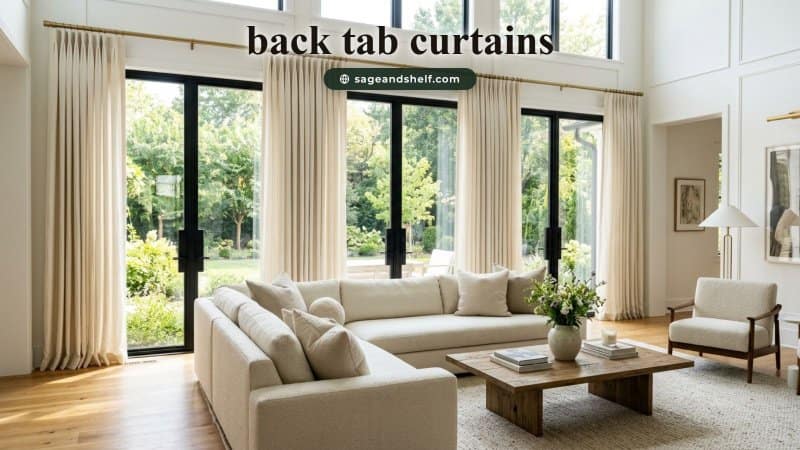
Window treatments define the ambiance and architectural elegance of modern residential spaces. When curating a bespoke curtain layout, headers dictate overall sophistication. Specifically, hanging elegant back tab curtains creates neat uniform pleats without visible metal grommets. Furthermore, hidden fabric loops slide directly over rods to deliver a tailored look. In addition, thoughtful styling elevates living room acoustics.
Over years of interior design, hidden drapery tabs remain an exceptional choice for modern homes. Rather than exposing hardware clips, concealed loops produce effortless wave folds. Therefore, choosing quality back tab curtains empowers homeowners to achieve designer aesthetics affordably. With proper rod positioning, windows gain stunning vertical elegance. Consequently, curated rooms achieve balanced natural light.
The Design Philosophy of Concealed Drapery Headers.
Every remarkable window setting balances light filtration with structured symmetry. In fact, hidden loops sewn onto the reverse side eliminate visual clutter. Instead of bunching fabric, these tabs guide panels into clean columnar folds automatically.
Furthermore, concealed construction hides drapery rods while highlighting fabric texture. Specifically, choosing natural linen introduces rich tactile warmth. In addition, deep vertical folds draw eyes upward to maximize perceived ceiling height. Consequently, installing custom back tab curtains elevates modern interior decor.
| Header Style. | Hardware Visibility. | Pleat Structure. | Ideal Aesthetic. |
|---|---|---|---|
| Hidden Back Tabs. | Concealed Rods. | Clean Tailored Waves. | Modern transitional & Scandinavian. |
| Classic Pinch Pleats. | Rings & Hooks. | Structured Crisp Folds. | Formal traditional estates. |
| Standard Rod Pockets. | Completely Hidden. | Gathered Ruffle Bunch. | Casual country cottages. |
| Metal Grommet Rings. | Visible Metal Rings. | Wide Deep Folds. | Industrial contemporary lofts. |
Also Read: Home Decor Ideas Sage and Shelf: 7 Best Modern Styling Tips
Tip 1: Calculate Proper Fabric Fullness and Panel Width.
Purchasing panels that match window frame widths produces flat curtains when closed. In contrast, experienced interior stylists recommend ordering two to two-and-a-half times window width. As a result, closed draperies maintain luxurious dimensional ripples effortlessly.
Specifically, measure window glass widths and add twelve inches per side. Furthermore, combine multiple panels to achieve generous fullness across wide expanses. In addition, ample fabric density preserves evening privacy. Therefore, generous width ensures your back tab curtains look tailored.
Tip 2: Mount Drapery Rods High and Wide for Vertical Elegance.
Positioning rods directly on top of window molding cramps visual openings. However, mounting rods four to six inches below ceiling lines creates soaring height. Always extend brackets beyond window casings to maximize daylight exposure.
For instance, extend rods eight to twelve inches past window edges. Furthermore, allowing curtains to stack against walls keeps glass fully unobstructed during daytime. In addition, high rods make modest rooms feel airy and spacious. Consequently, strategic rod mounting makes back tab curtains look grand.
Tip 3: Select Balanced Fabric Weights for Natural Wave Draping.
Extremely stiff canvas fabrics resist folding smoothly across concealed loops. In contrast, medium-weight washed linen drapes gracefully in straight vertical lines. Properly weighted fabrics hold pleats without excessive training.
| Fabric Material. | Fabric Weight. | Light Filtration. | Ideal Room Application. |
|---|---|---|---|
| Washed Belgian Linen. | Medium Weight. | Soft Diffused Light. | Living rooms & dining areas. |
| Textured Cotton Blend. | Medium-Heavy Weight. | Semi-Opaque Privacy. | Home offices & guest rooms. |
| Plush Velvet Drapes. | Heavy Weight. | Insulated Room Darkening. | Primary bedroom suites. |
| Sheer Voile Weaves. | Ultra-Light Weight. | Maximum Sunlight Glow. | Sunrooms & breakfast nooks. |
Specifically, choose lined linen blends to protect delicate fibers from solar degradation. Furthermore, thermal blackout linings provide superior acoustic insulation in bedrooms. In addition, lightweight sheers layer beautifully behind heavier outer drapes. Ultimately, quality textiles ensure back tab curtains hang gracefully.
Tip 4: Choose Between Hovering, Kissing, or Pooling Floor Hems.
Draperies that stop several inches above baseboards look short and disrupt room proportions. Instead, professional decorators select floor contact lengths tailored to room styles. Deciding on hem contact transforms the overall drapery mood.
For instance, a kissing hem gently brushes hardwood flooring for crisp precision. Furthermore, allowing drapery panels to pool two inches creates romantic European luxury. In addition, floating hems prevent dust accumulation in high-traffic zones. Therefore, intentional hemming perfects every back tab curtains setup.
Tip 5: Overcome Sliding Friction with Drapery Batons or Wands.
Because fabric tabs wrap directly around metal poles, sliding wide panels can encounter friction. However, attaching discreet wands to leading edges ensures smooth pulling. Wands protect fabric from hand oils and repeated pulling strain.
Specifically, clip drapery wands behind the first hidden tab on each panel. Furthermore, choose smooth brushed brass drapery poles. In addition, applying silicone glide spray along rod tops reduces friction noticeably. Consequently, installing pull batons keeps back tab curtains operating effortlessly.
Tip 6: Train Drapery Pleats for Crisp Columnar Symmetry.
Freshly unboxed panels often contain package creases and uncooperative pleat flare. In contrast, steaming and training panels establishes permanent memory within drapery fibers. Proper training guarantees flawless columns from ceiling to floor.
For instance, steam panels thoroughly while hanging on their designated drapery rods. Furthermore, finger-press wave folds and tie panels loosely with soft ribbons for three days. In addition, removing ribbons reveals perfectly disciplined columnar pleats. Consequently, systematic training keeps back tab curtains looking custom-made.
Tip 7: Coordinate Drapery Tones with Interior Paint Palettes.
Selecting clashing curtain colors creates harsh breaks across open residential spaces. In contrast, selecting tones that match wall colors within two shades creates serene visual harmony. Soft neutrals allow natural outdoor views to shine through.
Specifically, pair warm ivory curtains with creamy limewash or beige walls. Furthermore, brushed brass drapery rods introduce subtle warmth against neutral draperies. In addition, matte black hardware creates bold transitional contrast in modern rooms. Therefore, cohesive palettes make your back tab curtains feel intentional.
Common Drapery Mistakes to Avoid Proactively.
Even detail-oriented homeowners encounter simple missteps when styling new window treatments. For instance, using excessively thick drapery rods causes tabs to bind tightly and resist sliding. Specifically, always select rods with diameters between one and one-and-a-quarter inches.
Another frequent error is hanging unlined curtains in windows with direct afternoon sunlight exposure. In contrast, backing draperies with protective linings prevents fabric fading and fabric breakdown. By avoiding these common errors, your custom window investment lasts years.
Long-Term Aesthetic and Acoustic Home Benefits.
Investing in tailored window treatments delivers substantial returns in daily comfort, privacy, and visual serenity. In fact, layered drapes soften hard room surfaces and reduce echo across modern interiors. For instance, quality window coverings enhance evening relaxation.
Afterward, relaxing in a beautifully insulated and softly lit room brings immense daily satisfaction. Consequently, dedicating attention to stylish tailored draperies elevates residential living quality permanently.
Frequently Asked Questions About Back Tab Curtains.
Q1: How do back tab curtains differ from rod pocket curtains?
Back tabs feature discrete rear loops creating defined waves, whereas rod pockets create gathered fabric bunches.
Q2: Can I hang hidden tab drapes using drapery rings?
Yes, you can hook drapery pins into the rear tabs to hang panels from decorative rings.
Q3: What rod diameter works best with back tab drapery?
Curtain rods measuring one to one-and-a-quarter inches slide through fabric loops with minimal friction.
Conclusion: Transforming Living Spaces with Tailored Drapes.
In summary, styling concealed tab draperies combines streamlined modern elegance, graceful wave folds, and superior light control. By calculating proper fabric fullness, mounting rods high, and training vertical pleats, you create breathtaking window displays. Embrace these proven design principles, hang stunning back tab curtains, and enjoy timeless interior beauty.
Visit sageandshelf for more details.