22 Herb Garden Ideas for Fresh Flavor All Year Long
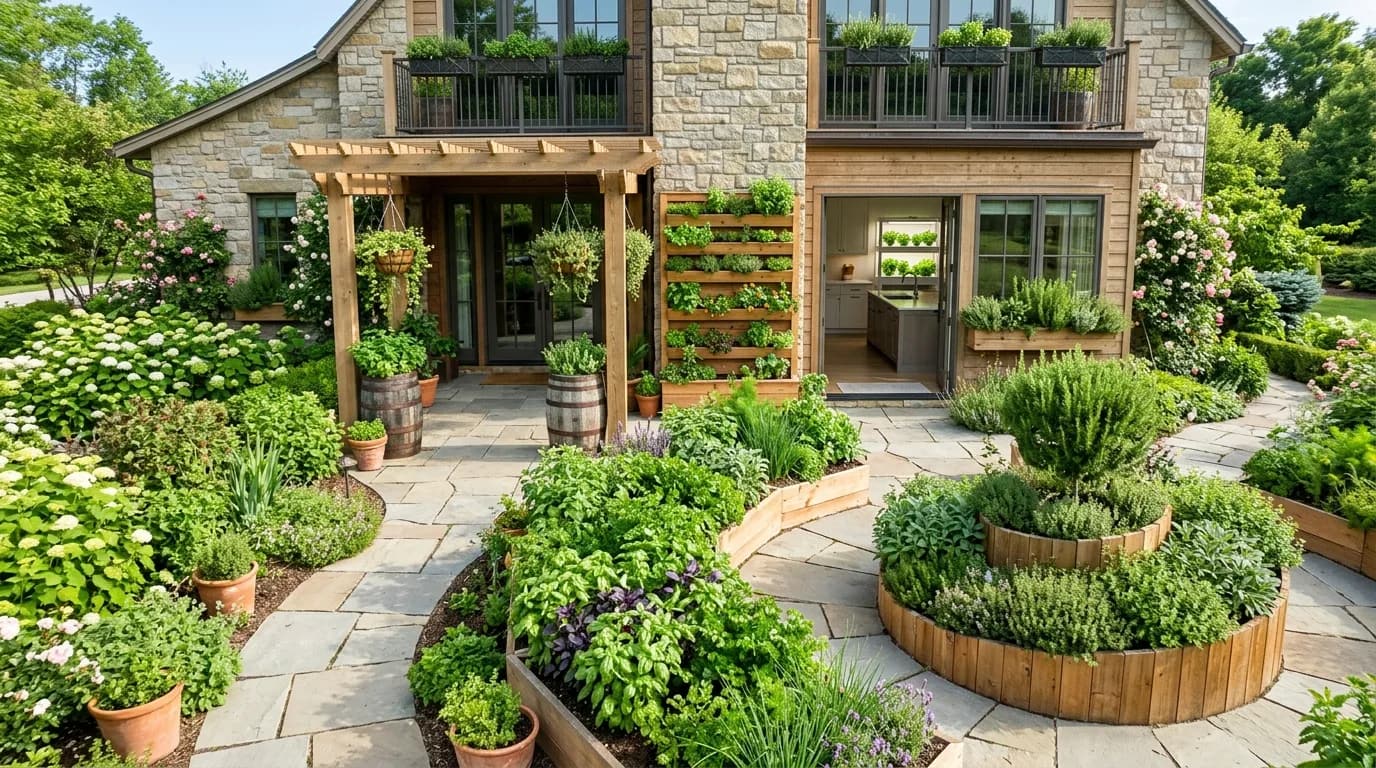
Fresh herbs garden have a way of changing an ordinary meal without asking for much in return.
A few basil leaves can wake up a bowl of pasta. Rosemary transforms roasted potatoes. Mint turns plain water into something refreshing on a hot afternoon. The difference isn’t complicated. It’s freshness. Herbs picked seconds before cooking simply deliver flavors that dried jars and supermarket bundles struggle to match.
Many people assume growing herbs requires a large vegetable garden or years of gardening experience. It doesn’t. Some of the healthiest herb gardens begin on a sunny kitchen windowsill. Others grow from a handful of containers on an apartment balcony or a raised bed tucked into one corner of the backyard. Even if outdoor space is almost nonexistent, there’s usually room for a few pots that can provide fresh ingredients throughout much of the year.
Herbs also give back far beyond the kitchen. They attract pollinators, fill the air with natural fragrance, soften patios with greenery, and make outdoor spaces feel more alive. Because many herbs are easy to maintain, they’re often one of the most rewarding plants for beginners who want quick success without constant attention.
The decor ideas below show just how flexible herb gardening can be. Whether you want a productive vertical wall, an elegant rosemary topiary, a compact windowsill display, or a backyard spiral garden filled with culinary favorites, there’s an approach that fits almost every home and lifestyle. Start small if you like, experiment with the herbs you actually cook with, and before long you’ll wonder how your kitchen ever worked without them.
1. Windowsill Herb Jars
- Keeps herbs close while cooking.
- Uses unused window space.
- Perfect for apartments.
- Easy for beginners to maintain.
- Brings greenery into the kitchen.
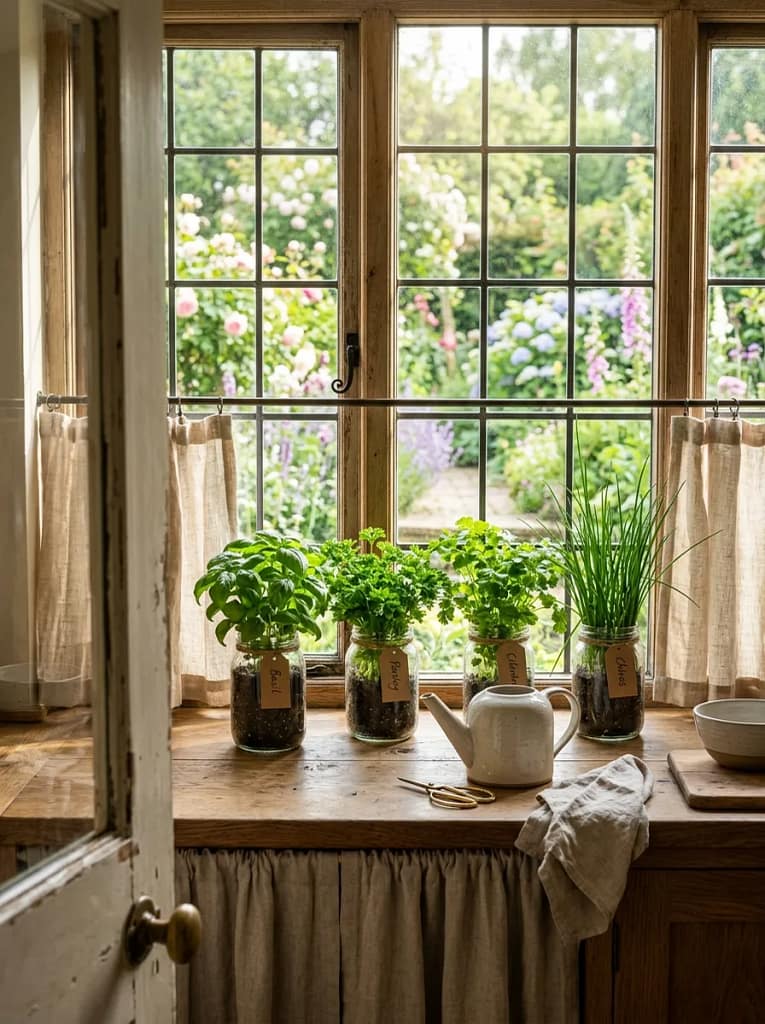
Fresh herbs shouldn’t require a trip to the grocery store every time you cook. A sunny windowsill can easily become a miniature herb garden that stays productive throughout much of the year. Having basil, parsley, chives, or oregano only a few steps away makes everyday meals feel fresher without adding extra effort.
Glass jars, ceramic pots, or matching containers all work well as long as they provide proper drainage. Group herbs with similar watering needs together so daily care stays simple. South-facing windows usually produce the strongest growth, but bright east-facing windows also perform surprisingly well for many varieties.
Rotate the containers every few days instead of leaving them in one position. Plants naturally lean toward sunlight, and regular turning encourages fuller, more balanced growth. Before long, your kitchen gains both fresh ingredients and a living display that looks far more inviting than another decorative object.
Also Read: 20 Camper Porch Decor Ideas for Cozy Outdoor Living
2. Vertical Herb Wall
- Saves valuable ground space.
- Creates a striking garden feature.
- Easy to harvest.
- Works indoors or outdoors.
- Keeps herbs organized.
Growing upward often solves problems that growing outward cannot.
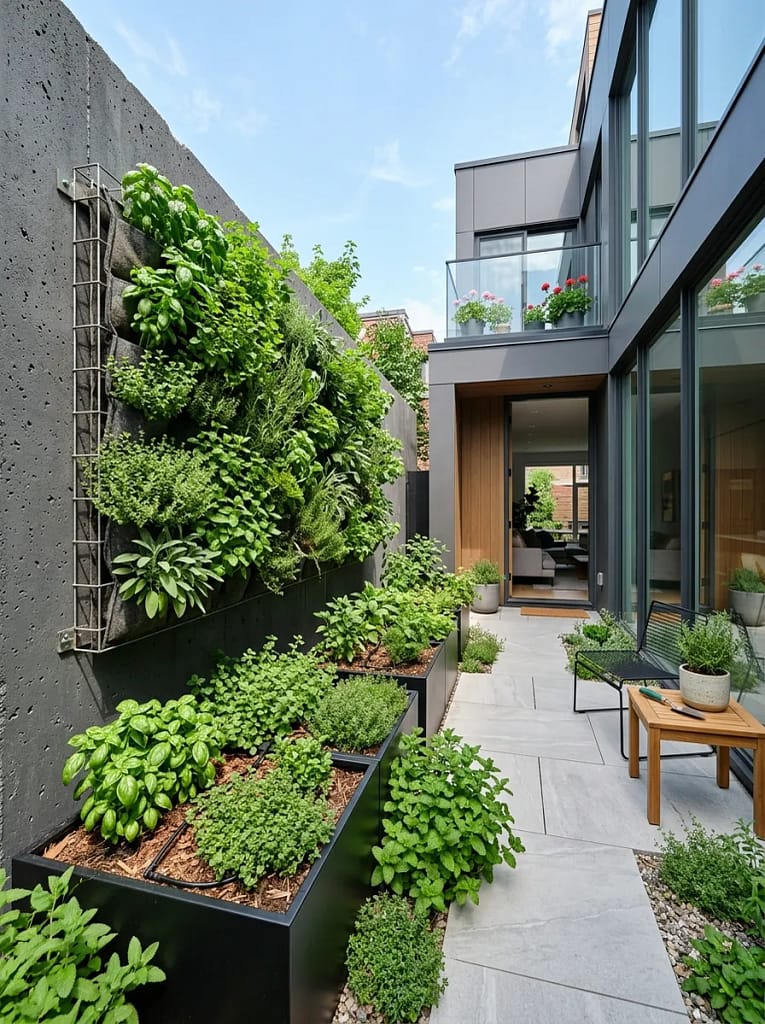
A vertical herb wall transforms an ordinary fence, balcony wall, or patio into productive gardening space. Instead of giving up because the yard feels too small, you simply stack planters above one another and let the wall do the work. Even narrow outdoor spaces suddenly have room for a surprising number of herbs.
Choose sturdy pockets, mounted planters, or wooden frames designed to support moisture and soil weight. Place herbs that need frequent harvesting near eye level while positioning slower-growing varieties higher up. This arrangement makes everyday use more practical because the herbs you reach for most stay easiest to access.
Beyond the harvest, a living wall changes the atmosphere of the entire area. Bare fences disappear behind fresh greenery, and the garden feels fuller without sacrificing precious walking space.
3. Self-Watering Pots
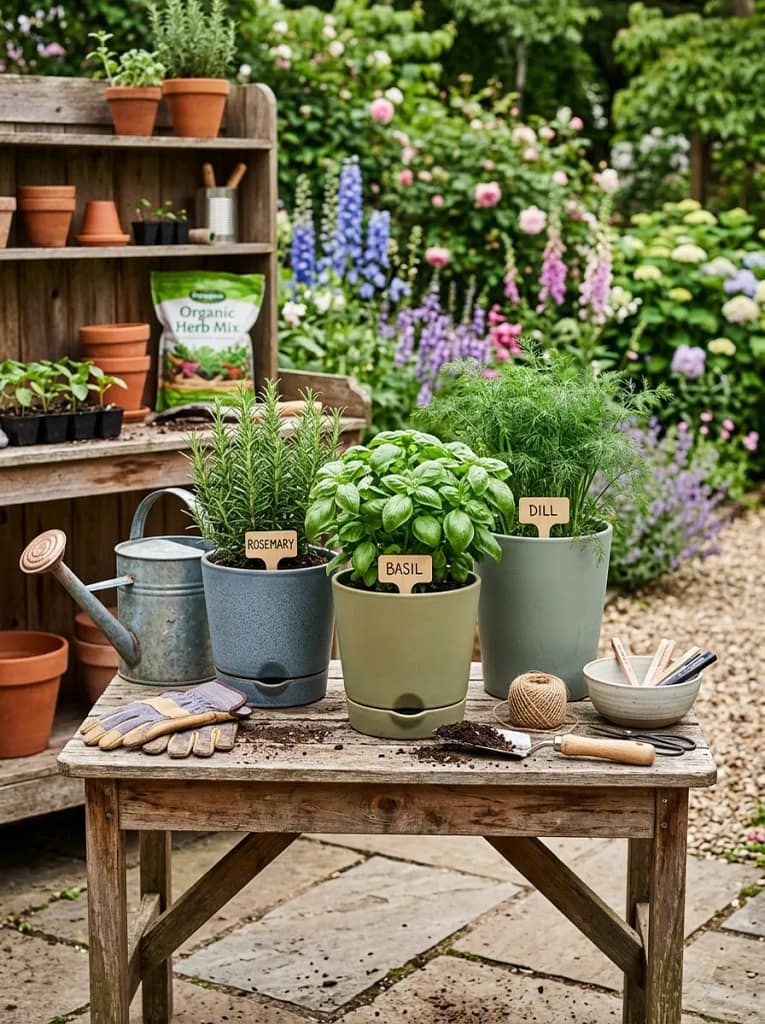
- Reduces daily watering.
- Helps herbs stay consistently healthy.
- Great for busy schedules.
- Prevents soil from drying quickly.
- Beginner-friendly gardening option.
Missing one watering can ruin tender herbs during hot weather.
Self-watering pots remove much of that stress by storing water beneath the soil and allowing roots to absorb moisture gradually. Instead of constantly guessing when to water, the planter does much of the balancing for you. Herbs receive a steadier supply, which often results in healthier leaves and stronger growth.
These containers are especially useful during summer vacations, busy workweeks, or for gardeners who simply forget occasional watering. Basil, parsley, cilantro, and dill often respond particularly well because they dislike dramatic swings between dry and soggy soil.
The system doesn’t eliminate maintenance completely, but it dramatically reduces the chances of losing plants simply because life became busy for a few days.
4. Mediterranean Herb Bed
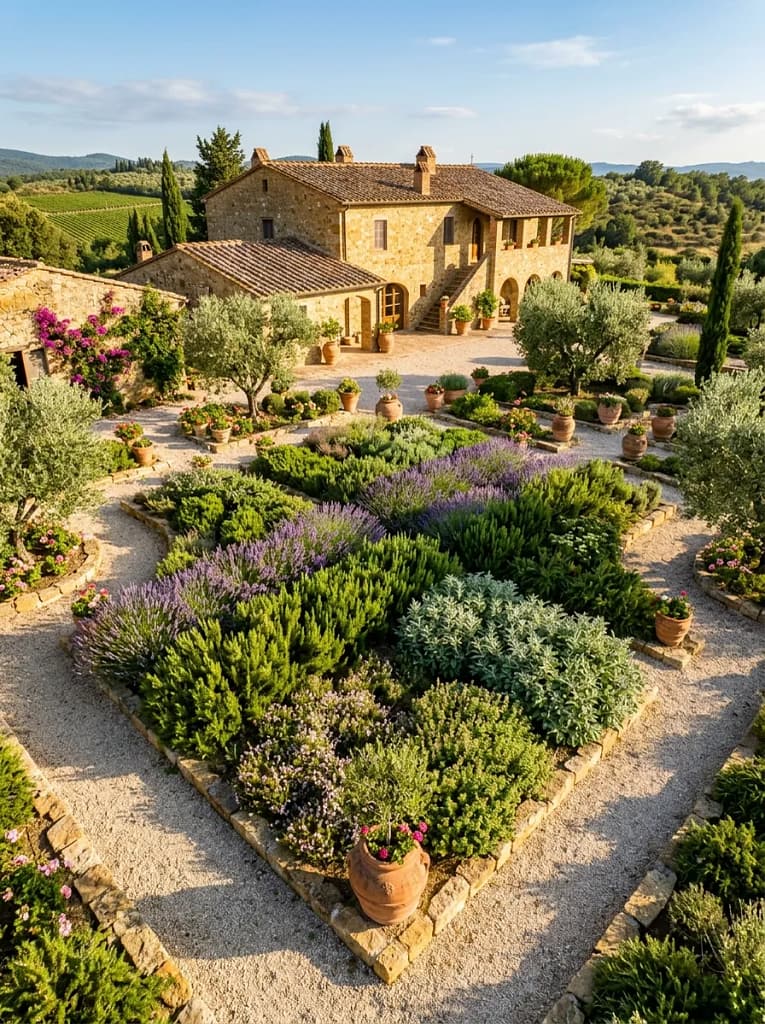
- Thrives in sunny locations.
- Groups herbs with similar needs.
- Low maintenance once established.
- Looks beautiful throughout the season.
- Perfect for dry climates.
Walk through almost any Mediterranean garden and you’ll notice something interesting. The herbs aren’t scattered randomly. They’re planted together because they naturally enjoy the same growing conditions. That simple idea makes gardening easier while creating a bed that looks full, healthy, and productive for months.
Rosemary, thyme, oregano, lavender, and sage all appreciate plenty of sunshine and soil that drains quickly after watering. Instead of constantly adjusting care for each individual plant, you create one growing space where every herb is happy. Less work for you usually means stronger plants in the long run.
Adding gravel pathways or small natural stones between the herbs helps keep the roots from sitting in excess moisture after heavy rain. The finished bed feels relaxed and timeless, almost like a corner of the countryside brought into your own backyard. Beyond cooking, the fragrance alone makes spending time near the garden worthwhile.
5. Snack Garden Container
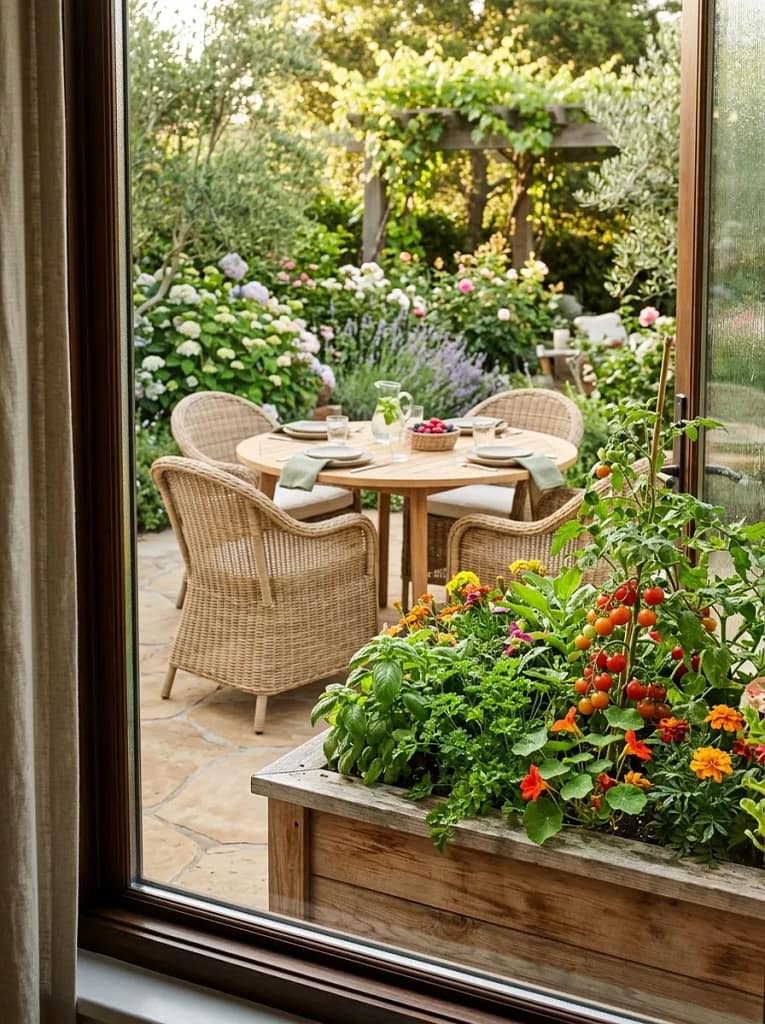
- Combines herbs with edible plants.
- Great for children.
- Fits patios and balconies.
- Easy to harvest daily.
- Makes gardening more interactive.
Herbs don’t have to grow alone.
A snack garden container mixes herbs with vegetables and edible favorites you naturally reach for throughout the day. Imagine basil growing beside cherry tomatoes, parsley sharing space with mini peppers, or chives tucked between leafy greens. Every harvest feels like collecting ingredients instead of simply trimming plants.
Large containers work best because they give roots enough room to spread without competing too aggressively. Position taller plants toward the back while keeping shorter herbs near the edges where they remain easy to pick. This arrangement also allows sunlight to reach every plant instead of creating unnecessary shade.
Children often become much more interested in gardening when they can pick something to eat immediately. The container becomes less of a project and more of an outdoor snack station that keeps producing week after week.
Also Read: 23 Shade Structure Ideas for Cool Outdoor Comfort
6. Kitchen Herb Ladder
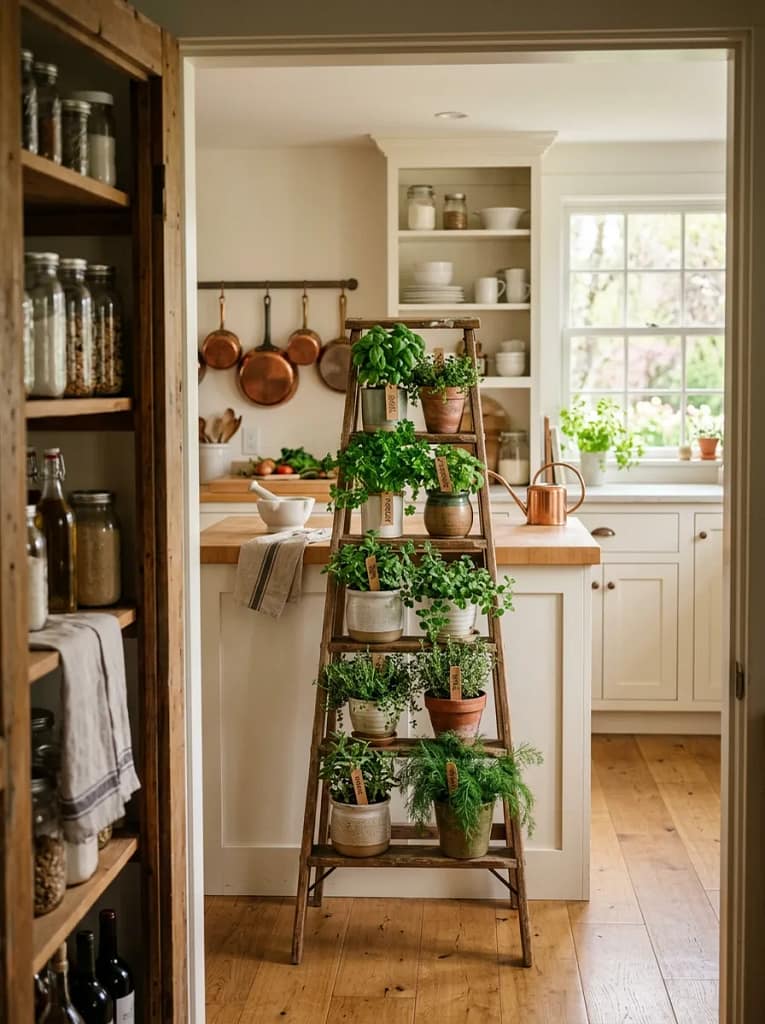
- Uses vertical growing space.
- Keeps herbs organized.
- Fits compact kitchens.
- Easy to move if needed.
- Adds decorative character.
Sometimes the floor is already full.
A simple wooden ladder creates several growing levels without taking much room at all. Every shelf becomes another opportunity for fresh herbs while the overall display looks more like home décor than traditional gardening. Even a tiny balcony or breakfast nook suddenly has enough growing space for several favorite varieties.
Keep heavier pots on the lower shelves for stability and lighter containers near the top. Mixing trailing herbs with upright growers creates natural movement that makes the display feel fuller without looking crowded. Clay pots, woven baskets, and galvanized containers each create a completely different style, so choose the look that fits your home.
Because the ladder isn’t permanently installed, it can move indoors during colder months or shift around the patio as sunlight changes throughout the season.
7. Mint Divider Pot
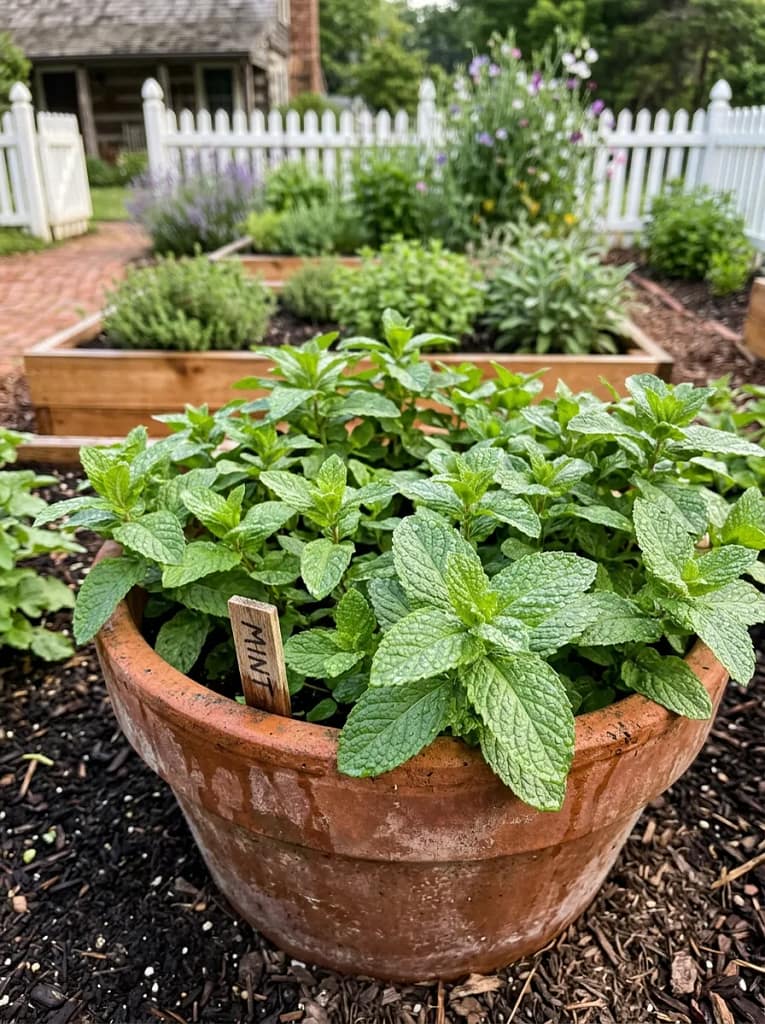
- Stops mint from spreading.
- Easier to control growth.
- Protects nearby herbs.
- Simple maintenance.
- Produces fresh leaves all season.
Mint has one bad habit.
It refuses to stay where you planted it.
Left in the ground, healthy mint quickly spreads underground and begins competing with everything around it. Growing it inside its own container solves that problem completely. You still enjoy fresh mint for tea, desserts, and drinks, but without worrying about it taking over the entire herb garden.
Choose a wide pot instead of a deep one because mint naturally spreads sideways. Regular harvesting also encourages fresh growth while keeping the plant compact and productive. Placing the container near a seating area means you can simply reach over and pick a few leaves whenever you want to flavor cold drinks on warm afternoons.
8. Basil Grow Tower
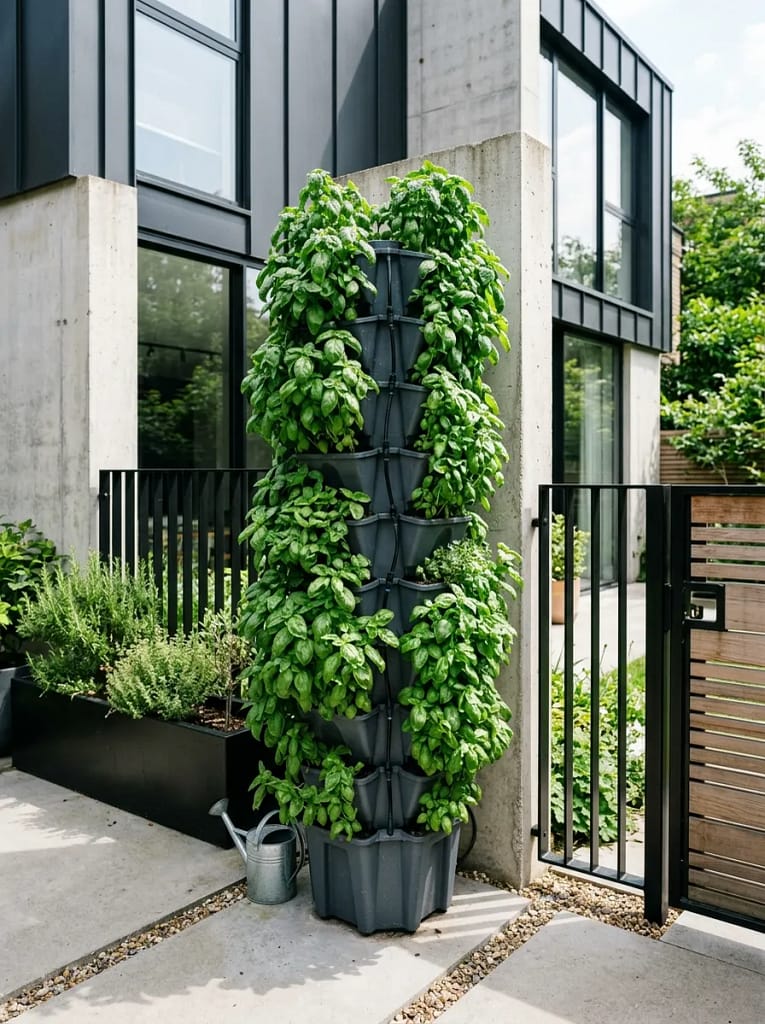
- Produces more basil vertically.
- Saves valuable garden space.
- Easy to harvest.
- Perfect for small patios.
- Creates a striking garden feature.
One basil plant disappears surprisingly fast if you cook often.
Growing upward instead of outward solves that problem. A basil grow tower stacks multiple planting pockets into one compact structure, allowing you to harvest much larger amounts without filling the entire patio with containers. The design is especially useful for apartment balconies and small urban gardens where every square foot matters.
Frequent pruning is the secret to success. Instead of waiting for huge leaves, trim smaller stems regularly to encourage the plant to become bushier. That steady harvesting creates stronger growth while delaying flowering, giving you a longer season of fresh basil.
Position the tower where it receives plenty of sunshine but remains protected from strong afternoon winds. Healthy basil responds quickly, rewarding even beginner gardeners with more leaves than a single traditional pot could ever produce.
9. Herb Spiral Garden
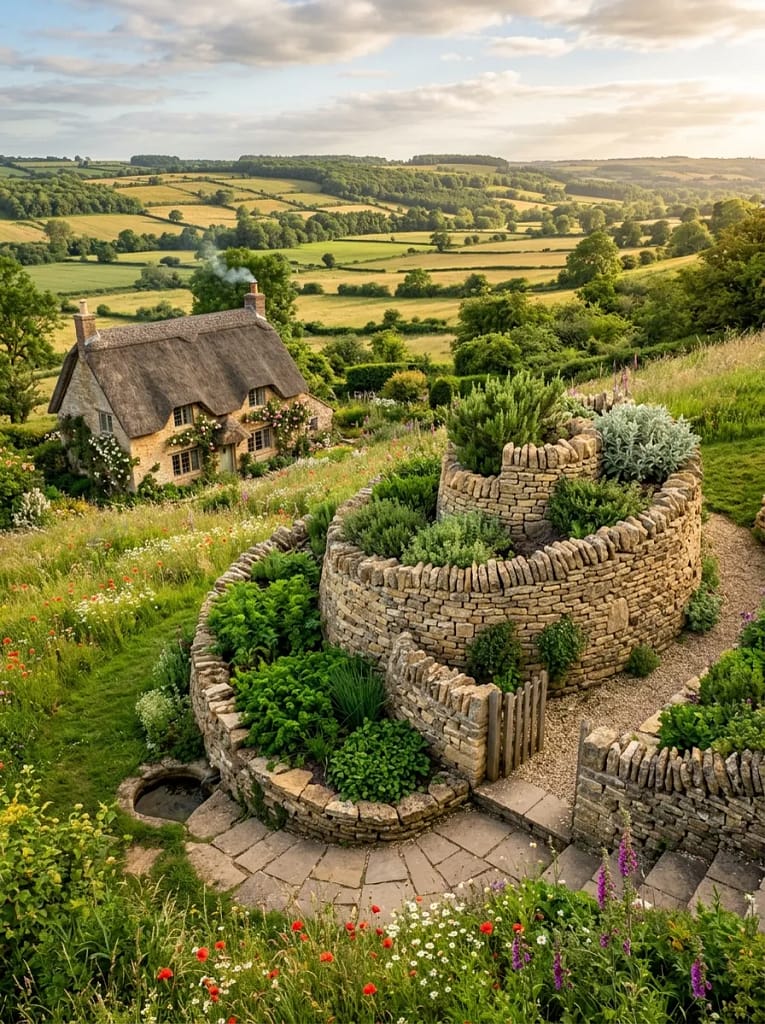
- Fits many herbs into one space.
- Creates natural drainage zones.
- Looks beautiful from every angle.
- Encourages healthy plant growth.
- Becomes a backyard focal point.
Most herb gardens grow flat across the ground. A spiral changes everything by introducing height, better drainage, and several growing conditions within one compact footprint. As the stone or brick structure rises, the soil naturally becomes drier near the top and slightly cooler near the bottom. That variation lets you grow herbs with different preferences in a single garden instead of separating them into multiple beds.
Mediterranean herbs such as rosemary, thyme, and oregano usually thrive near the upper section where the soil drains quickly and receives the most sunlight. Lower pockets retain a little more moisture, making them ideal for parsley, chives, or cilantro. Rather than forcing every plant to adapt to identical conditions, the spiral works with nature and gives each herb a better place to grow.
Beyond its practical benefits, a herb spiral becomes a conversation piece. Visitors often notice it before anything else because it combines gardening with landscape design. Even when the herbs are not ready to harvest, the structure itself adds texture and character to the yard.
10. Rosemary Topiary Pot
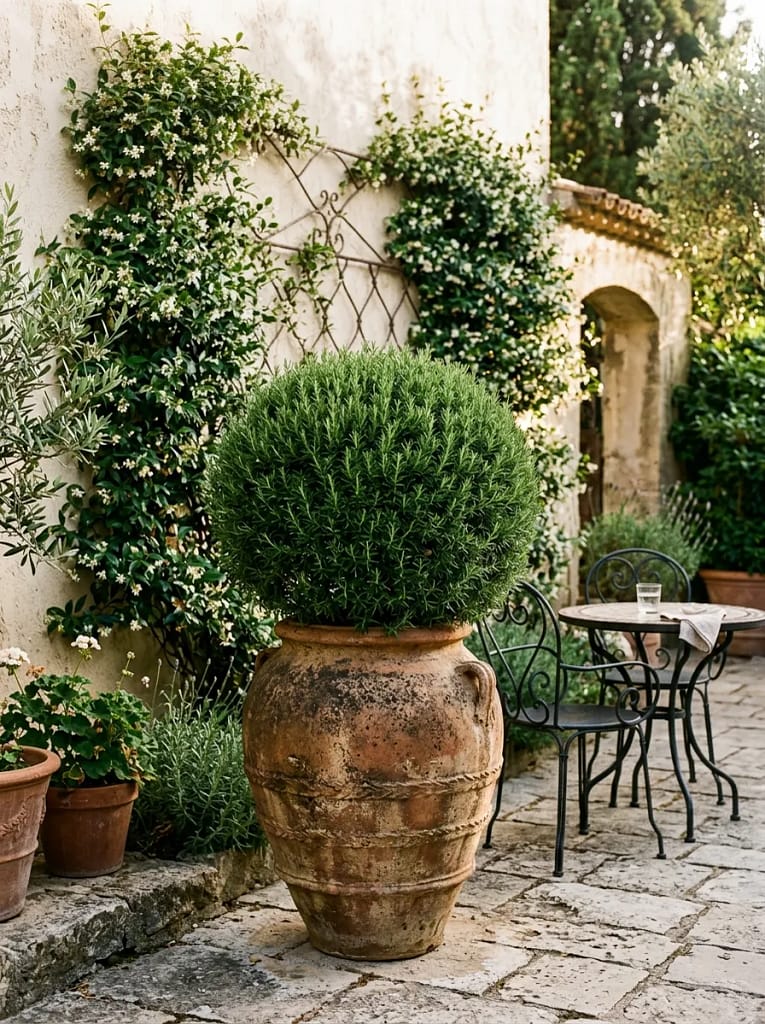
- Creates year-round structure.
- Looks elegant on patios.
- Fragrant and edible.
- Easy to shape with pruning.
- Doubles as garden décor.
Rosemary has a habit of looking good even before you cook with it.
Training the plant into a topiary transforms an ordinary herb into something that feels almost sculptural. Whether shaped into a neat ball, cone, or small standard tree, rosemary becomes both an edible plant and a decorative feature. Set one beside a front door, on a patio, or near an outdoor dining area and it immediately adds a polished touch.
The key is regular trimming rather than one heavy pruning session. Small cuts encourage dense growth while helping the plant keep its shape. Every trimming also rewards you with fragrant stems that can season roasted vegetables, grilled meats, homemade bread, or infused olive oil.
Choose a sturdy terracotta or stone planter that won’t tip over as the plant matures. With enough sunlight and well-drained soil, rosemary can stay productive for years while becoming more attractive with every growing season.
Also Read: 21 Living Room Renovation Ideas That Boost Home Style
11. Sage Companion Bed
- Supports pollinators.
- Pairs well with vegetables.
- Handles dry weather easily.
- Produces flavorful leaves.
- Adds soft garden texture.
A herb garden doesn’t always need to stand alone.
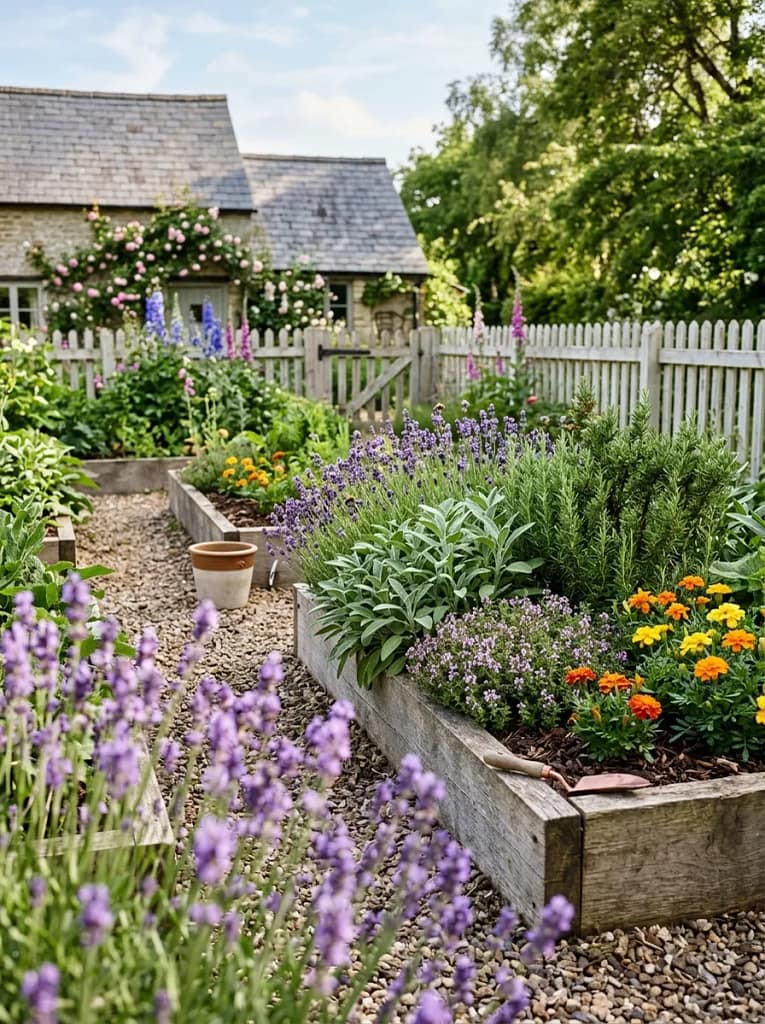
Sage performs especially well when planted beside vegetables and flowering plants because its aromatic leaves naturally attract beneficial pollinators while helping create a balanced growing environment. The broad, velvety foliage also provides welcome contrast among finer herbs, making the bed feel more layered and visually interesting.
Place sage where it receives plenty of sunlight and avoid overly wet soil. Once established, it becomes one of the easier herbs to maintain because it tolerates dry periods better than many leafy varieties. Purple-flowering sage varieties add even more seasonal interest while still delivering the same culinary benefits.
During harvest, remove only a portion of the stems at one time. That steady approach keeps the plant healthy, encourages fresh growth, and ensures you’ll continue enjoying fragrant leaves throughout the season.
12. Thyme Ground Cover
- Fills empty spaces naturally.
- Releases fragrance when stepped on.
- Helps suppress weeds.
- Handles sunny locations well.
- Softens garden pathways.
Not every herb has to grow upright.
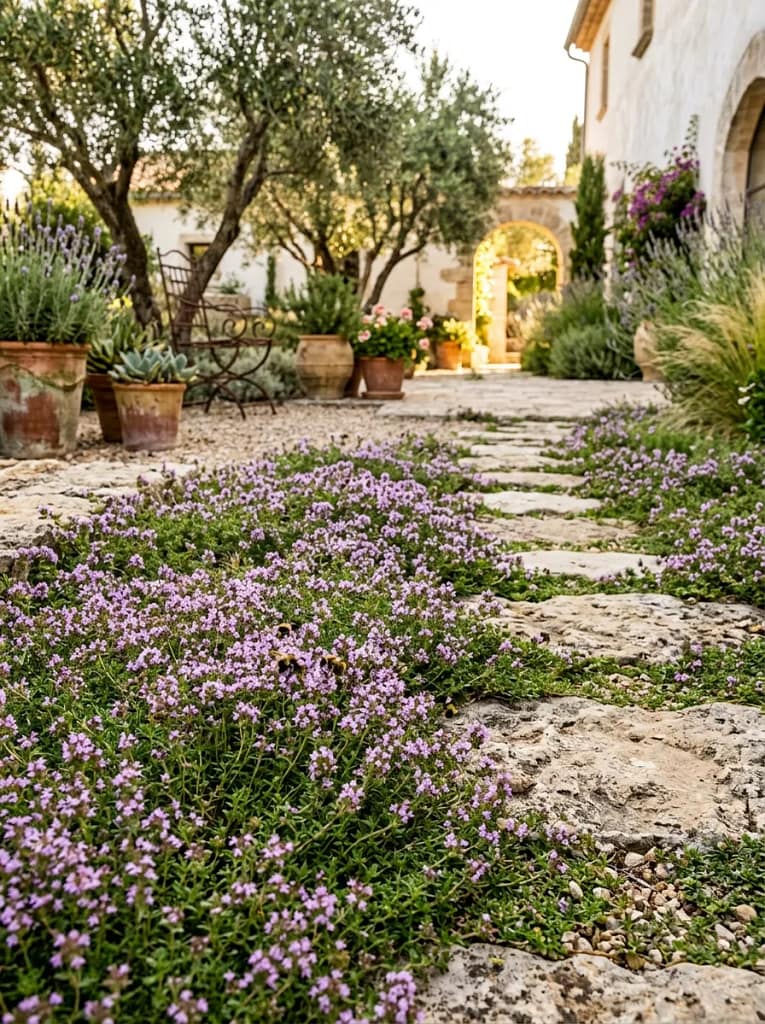
Thyme spreads gently across the ground, covering bare patches that might otherwise become home to weeds. As the plant matures, it creates a living carpet that feels surprisingly soft and releases a pleasant herbal scent whenever someone brushes past or walks nearby.
This makes thyme especially useful between stepping stones, along pathway edges, or around raised garden beds. Instead of leaving exposed soil, you create a low-maintenance layer of greenery that serves both practical and decorative purposes. During flowering season, the tiny blooms also attract bees and other pollinators that benefit the rest of the garden.
Give creeping thyme plenty of sunshine and avoid heavy watering once it’s established. Healthy plants gradually knit together, creating an attractive border that remains useful long after many seasonal flowers have faded.
13. Hanging Herb Basket
- Makes use of empty overhead space.
- Keeps herbs within easy reach.
- Great for patios and balconies.
- Improves airflow around plants.
- Adds greenery at eye level.
Look up instead of looking for another empty spot on the ground.
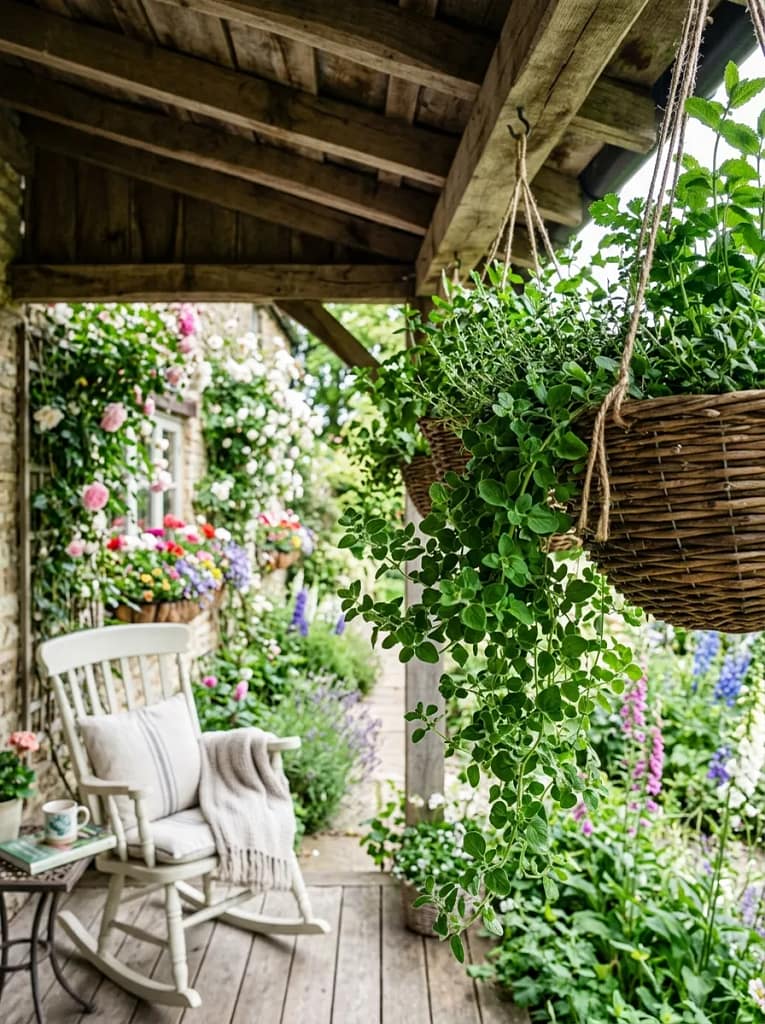
Hanging baskets allow herbs to grow where traditional pots simply can’t fit. They work especially well on covered patios, apartment balconies, pergolas, and porch ceilings where sunlight reaches overhead but floor space is limited. Suddenly, areas that served no purpose become productive growing zones.
Trailing herbs like oregano and creeping thyme spill naturally over the basket edges, creating a softer appearance than upright containers. Compact basil, parsley, and chives also perform well if the basket is large enough to hold sufficient soil. The extra airflow around hanging plants often reduces problems with damp leaves after watering.
Keep baskets positioned where harvesting stays convenient. Herbs should be easy to snip while cooking, not hidden so high that you need a ladder every time dinner begins. Practical placement usually means you’ll harvest more often, which also keeps the plants healthier throughout the season.
14. Indoor LED Herb Kit
- Grows herbs year-round.
- Doesn’t rely on sunlight.
- Perfect for winter gardening.
- Compact enough for countertops.
- Beginner-friendly growing system.
Gardening doesn’t have to stop when the weather changes.
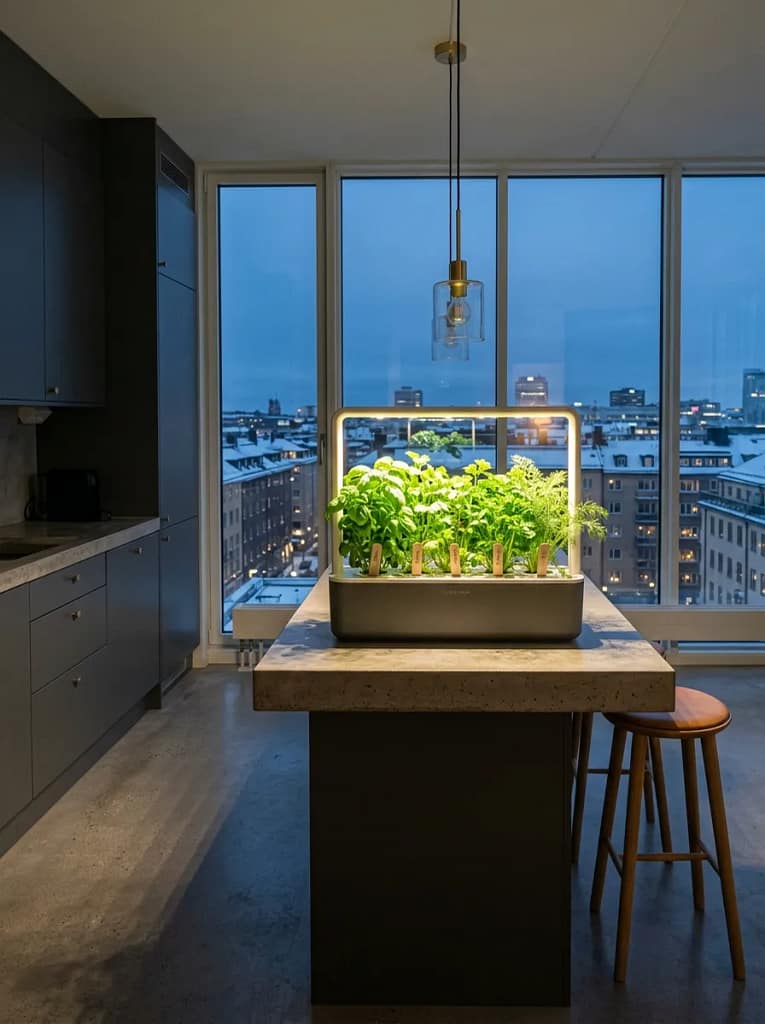
Indoor LED herb kits keep fresh herbs growing through winter, rainy seasons, and apartments that simply don’t receive enough natural light. Instead of watching empty garden beds outside, you continue harvesting basil, dill, cilantro, or parsley from a compact growing station inside your home.
Modern LED systems automatically provide the right light spectrum while using surprisingly little electricity. Many kits even include built-in timers, taking much of the guesswork out of indoor gardening. That consistency produces stronger growth than relying on whatever sunlight happens to reach the kitchen window.
Place the kit somewhere you’ll see it every day. The more visible the herbs become, the more likely you’ll use them while cooking, making the investment worthwhile beyond simply decorating the room.
15. Balcony Herb Rail
- Maximizes small outdoor spaces.
- Keeps herbs close together.
- Frees up floor area.
- Easy to water and harvest.
- Ideal for apartment living.
A tiny balcony can still produce an impressive harvest.
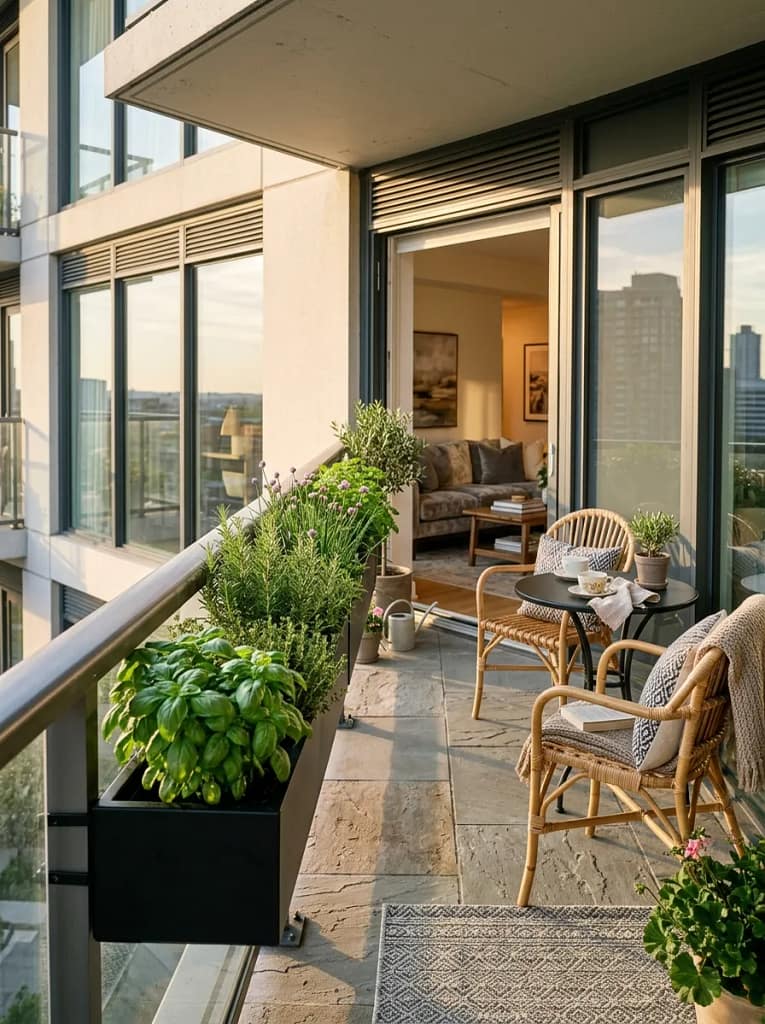
Instead of filling valuable walking space with containers, mount planter boxes directly onto the railing. The herbs receive excellent sunlight, the floor stays open, and the entire balcony immediately feels greener without becoming crowded.
Select sturdy railing planters with secure brackets designed for outdoor conditions. Lightweight herbs such as parsley, basil, thyme, oregano, and chives all grow comfortably in this setup as long as they receive enough sunshine and regular watering. Matching containers also help the balcony feel intentionally designed rather than pieced together over time.
One of the biggest advantages is convenience. Open the balcony door, snip what you need for dinner, and return inside within minutes. Fresh ingredients become part of your daily routine instead of something reserved for weekend gardening.
Also Read: 24 Entryway Refresh Ideas for Stylish First Impressions
16. Cilantro Succession Pots
- Extends harvest season.
- Prevents all plants maturing together.
- Easy to manage.
- Produces steady fresh leaves.
- Great for frequent cooking.
Cilantro loves to surprise gardeners.
Usually not in a good way.
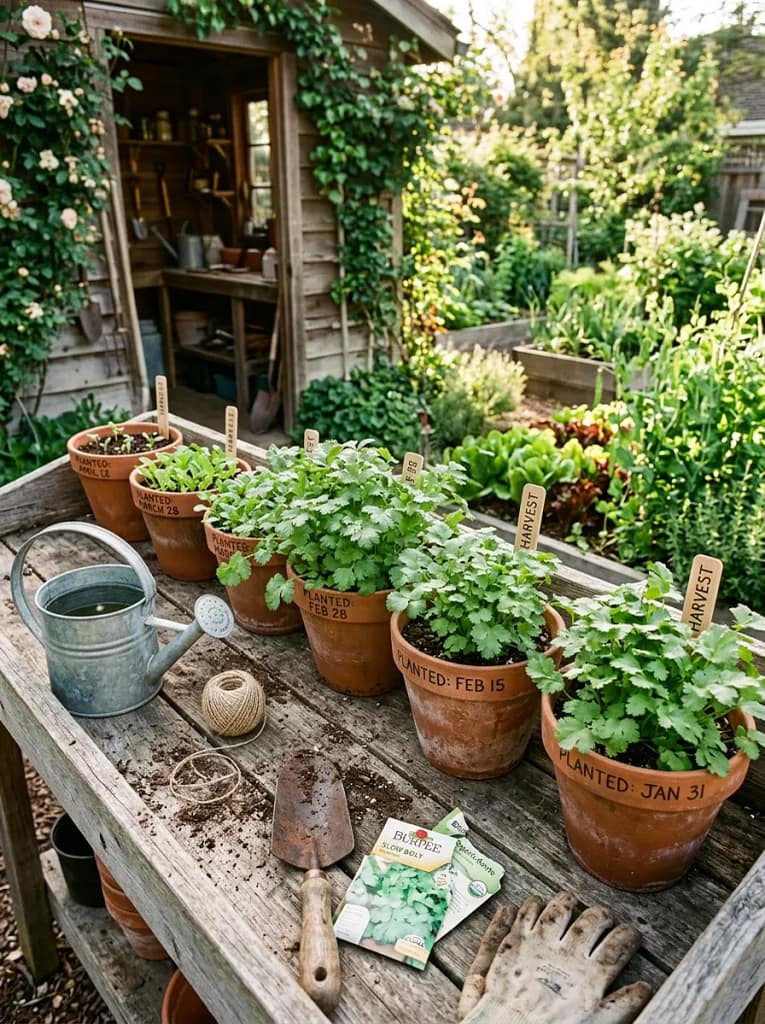
It grows quickly, flowers quickly, and then seems to disappear just when you need it most. Succession planting solves that problem by starting new pots every few weeks instead of growing everything at once. While one container begins slowing down, another reaches its peak, giving you a much more reliable supply over a longer period.
Keep three or four small containers instead of one large pot. Label the planting dates if needed so you know which herbs should be harvested first. This simple rotation works especially well for anyone who cooks Mexican, Indian, Middle Eastern, or Southeast Asian dishes where fresh cilantro appears regularly.
Instead of one short harvest followed by disappointment, succession planting creates a steady rhythm that keeps fresh herbs available for much of the growing season.
17. Perennial Herb Border
- Returns every growing season.
- Reduces yearly planting work.
- Frames garden beds beautifully.
- Supports pollinators.
- Adds lasting structure.
Not every herb garden has to begin from scratch each spring.
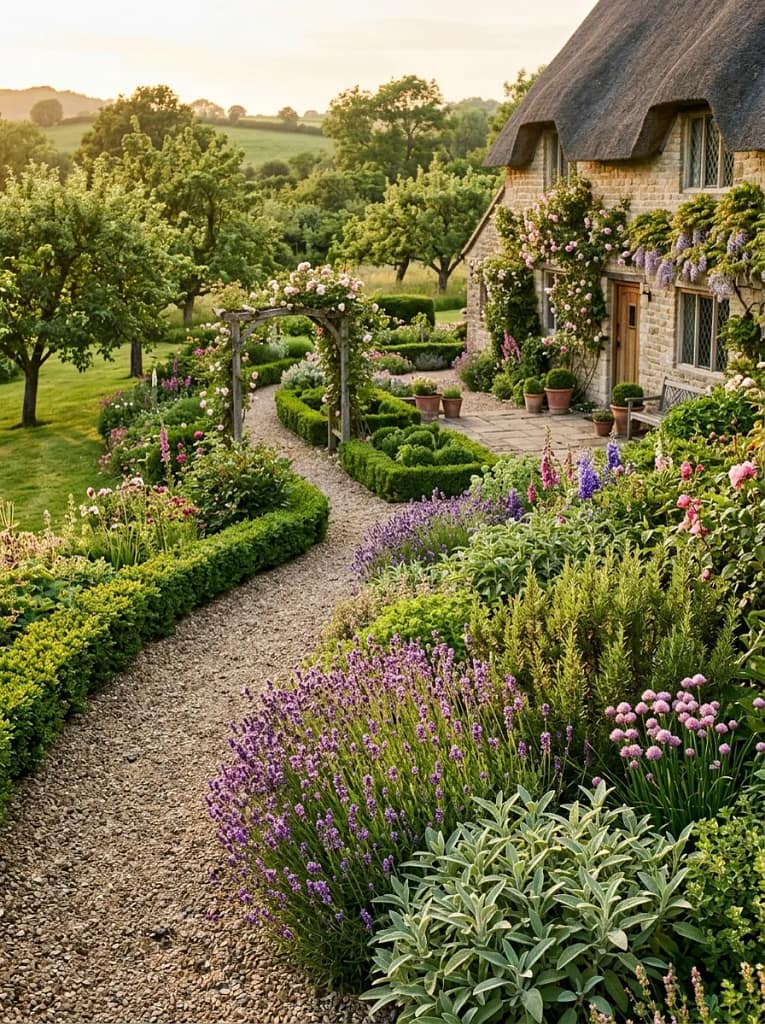
A perennial herb border quietly rewards patience because it becomes stronger with every passing year. Instead of replacing plants season after season, herbs like chives, oregano, thyme, sage, and lavender settle into the landscape and slowly form a reliable edge around vegetable beds, flower gardens, or pathways.
Plant the tallest herbs toward the back while allowing lower growers to spread naturally along the front. This layered arrangement creates depth without hiding smaller plants. During the growing season, flowers attract bees and butterflies, while the foliage continues providing fresh ingredients for the kitchen long after many ornamental plants have finished blooming.
The border eventually becomes part of the garden itself rather than something that feels temporary. A quick trim in early spring and occasional harvesting through summer are often all that’s needed to keep the plants looking healthy and productive.
18. Herb Ice Cube Freeze
- Preserves herbs longer.
- Reduces kitchen waste.
- Ready for quick cooking.
- Simple to prepare.
- Great for summer harvests.
Every gardener reaches the same point eventually.
The herbs are growing faster than anyone can use them.
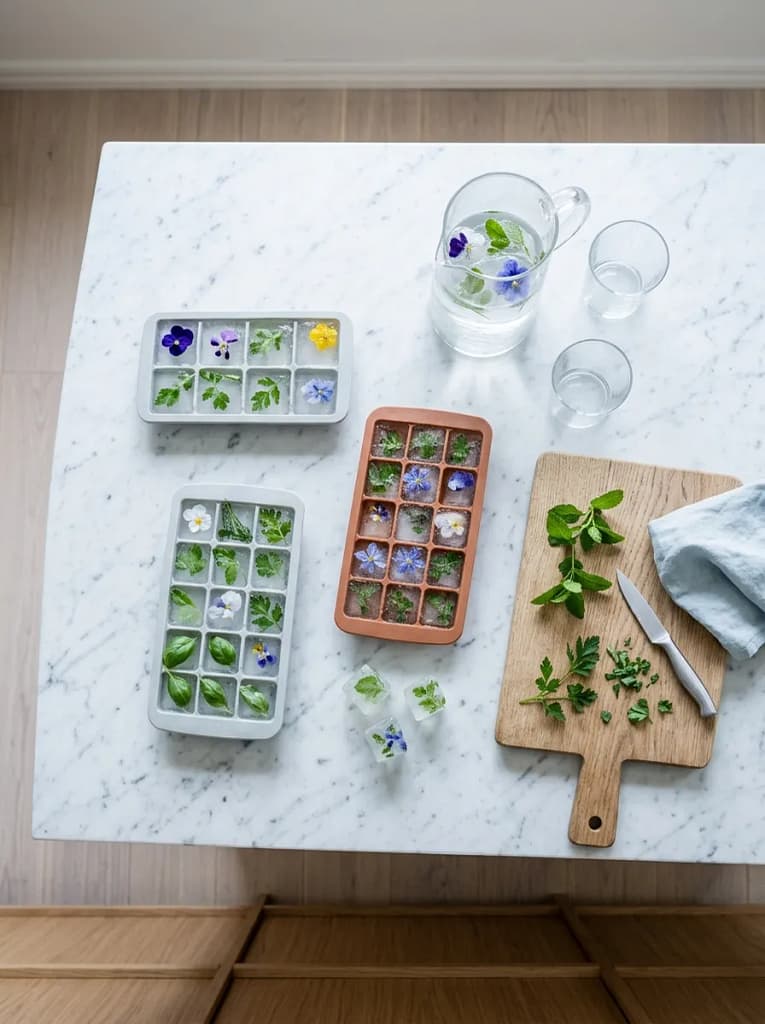
Instead of watching fresh leaves wilt in the refrigerator, chop them while they’re at their peak and freeze them inside ice cube trays with water or olive oil. Each cube becomes a ready-made flavor boost for soups, pasta sauces, roasted vegetables, or stews later in the year.
Different herbs freeze differently, so experiment with combinations you cook most often. Basil and parsley pair beautifully in olive oil, while dill, chives, and cilantro work well with plain water for lighter dishes. Label the trays before freezing because once everything turns green, guessing becomes surprisingly difficult.
This simple habit stretches the harvest well beyond the growing season and lets you enjoy garden-fresh flavor even in the middle of winter.
19. Drying Herb Bundle Rack
- Preserves herbs naturally.
- Adds rustic character.
- No electricity required.
- Easy weekend project.
- Keeps herbs organized.
Long before freezers existed, herbs still lasted all winter.
The secret was simple. Air, patience, and a good place to hang them.
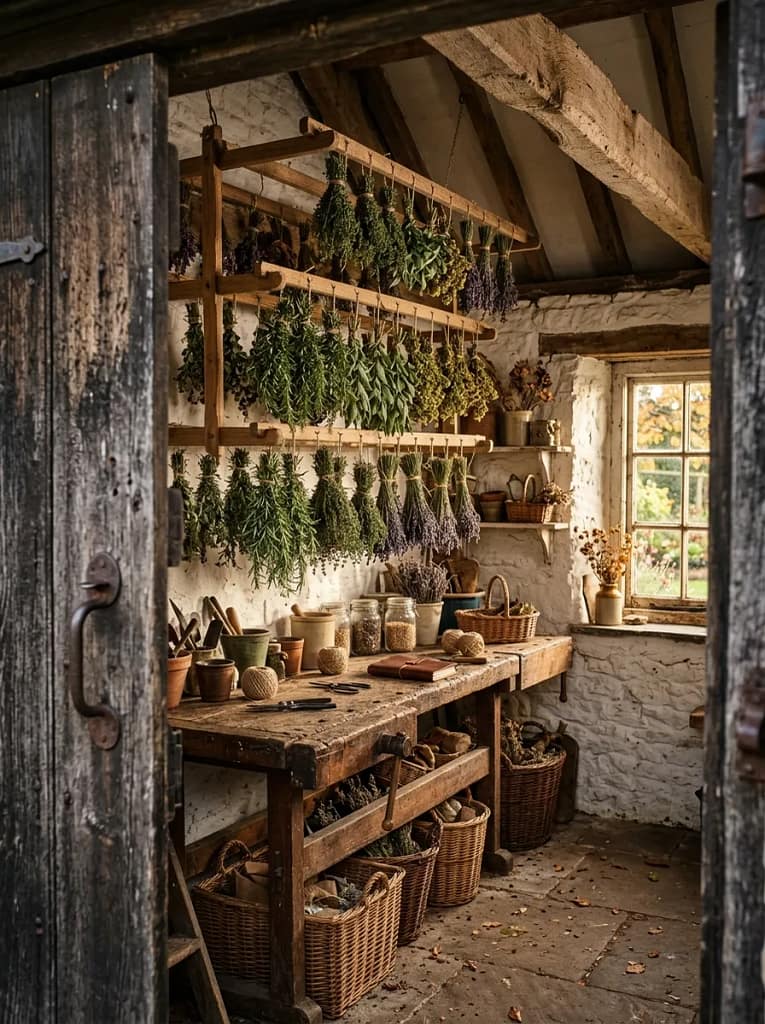
A drying rack gives freshly harvested herbs room to lose moisture slowly while keeping their fragrance and flavor. Tie small bundles together with twine, hang them upside down, and allow air to circulate freely around every stem. Within a few weeks, they’ll be ready for storage in airtight jars.
Position the rack somewhere cool, dry, and shaded rather than in direct sunlight. Too much heat causes herbs to lose much of their natural aroma before they ever reach the kitchen. Wooden racks fit farmhouse-style homes beautifully, but even a simple wall-mounted rail serves the same purpose just as effectively.
Besides preserving food, hanging herb bundles introduce texture and warmth that many kitchens naturally lack.
20. Raised Bed Herb Row
- Easier on your back.
- Excellent soil control.
- Keeps herbs neatly arranged.
- Improves drainage.
- Makes harvesting comfortable.
Gardening becomes a lot more enjoyable when you spend less time kneeling.
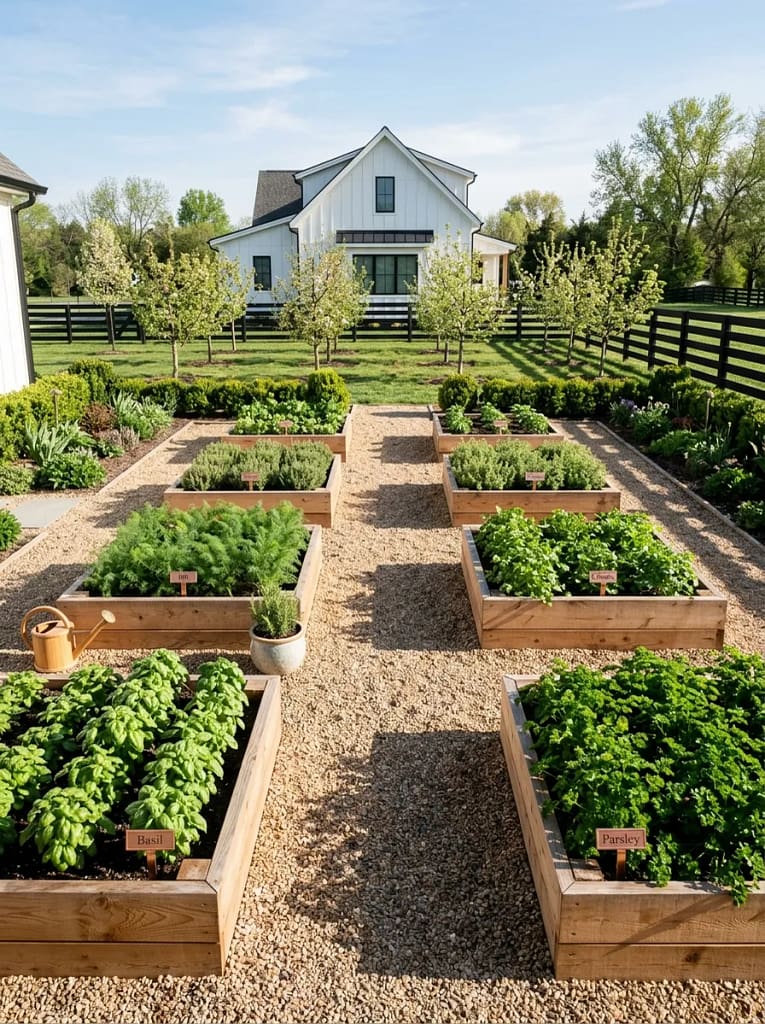
Raised beds lift herbs closer to a comfortable working height while giving you complete control over the soil beneath them. Good drainage, loose growing medium, and fewer weeds all combine to create healthier plants with noticeably less maintenance than many traditional ground-level gardens.
Arrange herbs in rows according to how frequently they’re used. Daily favorites like basil and parsley belong near the front, while slower-growing herbs can occupy the back without becoming inconvenient. Leaving small walking paths between beds also makes harvesting easier after rain because you’re not stepping directly into soft garden soil.
The clean lines of raised beds give herb gardens a more organized appearance, making them attractive enough to become a visible feature rather than something hidden behind the house.
Also Read: 22 Backyard Potluck Table Ideas for Easy Entertaining
21. Patio Herb Barrel
- Gives old barrels a new purpose.
- Holds several herbs together.
- Adds rustic garden charm.
- Easy to reach while cooking outdoors.
- Works well on patios and decks.
Not every planter needs to look brand new.
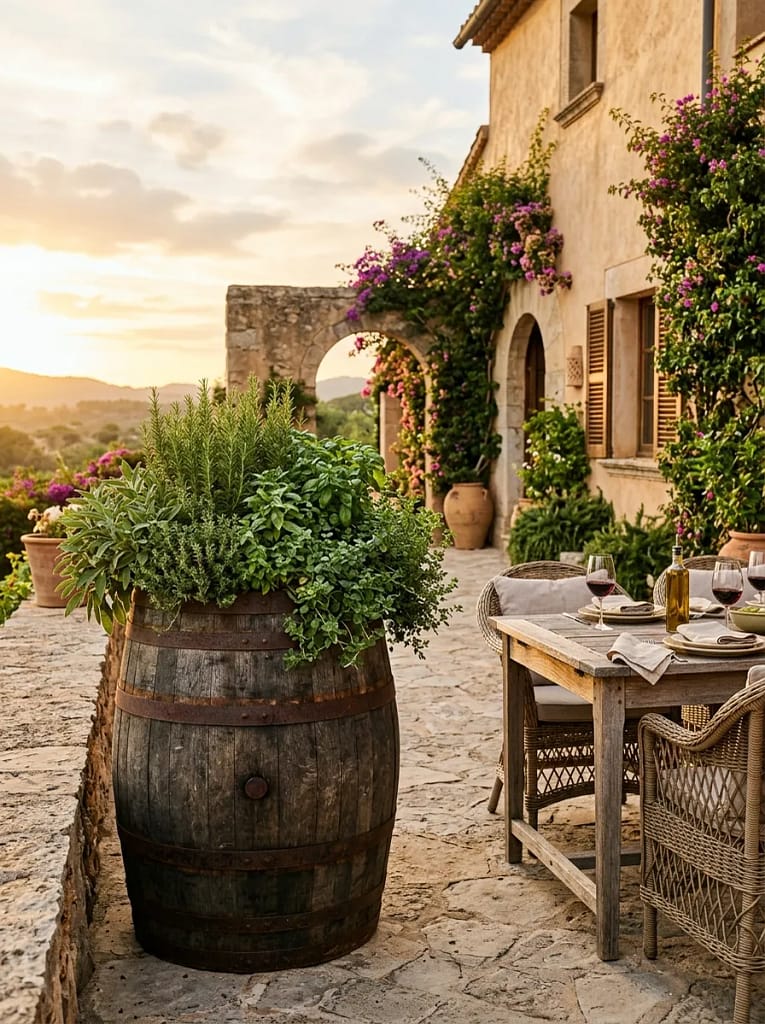
A weathered wooden barrel brings instant character to a patio while offering enough growing space for several herbs at once. Instead of scattering small pots across the deck, you create one generous planting area that feels established from the very first day. The rounded shape also softens hard patio lines, making the entire outdoor space feel more relaxed.
Group herbs according to how you’ll use them rather than planting randomly. Place basil beside oregano if homemade pizza is a family favorite, or keep rosemary close to thyme for roasted vegetables and grilled meats. Every harvest becomes quicker because the herbs you normally combine already grow side by side.
Before filling the barrel, check that excess water can drain properly. A few drainage holes prevent soggy roots while extending the life of both the plants and the container. Over time, the barrel weathers naturally, giving it even more personality than when it was first planted.
22. Sunny Corner Herb Nook

- Makes forgotten spaces productive.
- Creates a peaceful garden retreat.
- Keeps favorite herbs together.
- Easy to maintain.
- Encourages daily harvesting.
Most gardens have one corner that never quite finds a purpose.
Maybe it’s too small for vegetables. Maybe it’s simply ignored because nothing exciting has ever grown there. That overlooked patch can easily become the most enjoyable part of the garden by turning it into a dedicated herb nook where fragrance, texture, and fresh ingredients come together.
Start with herbs that love sunshine such as rosemary, sage, thyme, lavender, and oregano. Add a narrow gravel path or a stepping stone so harvesting stays comfortable after rain. A simple bench, small stool, or even a decorative stone gives you a quiet place to sit while trimming herbs or simply enjoying the scent carried by the afternoon breeze.
The best gardens don’t always rely on size. Sometimes they succeed because they invite you to spend time in them. A sunny herb nook does exactly that. It transforms an empty corner into a space that feels calm, useful, and rewarding every time you walk outside.
Frequently Asked Questions
1. Which herbs are easiest for beginners to grow?
Basil, chives, parsley, mint, thyme, and oregano are usually the most forgiving choices. They grow quickly, don’t require advanced gardening skills, and are useful in everyday cooking. Starting with a few reliable herbs helps build confidence before trying more delicate varieties.
2. Can I grow herbs indoors all year?
Yes, many herbs grow successfully indoors if they receive enough light. A bright south-facing window often works well, while LED grow lights make year-round gardening possible even in darker homes or during winter months. Good airflow and proper watering are just as important as light.
3. Which herbs should never be planted together?
Mint is the biggest exception because it spreads aggressively and can overwhelm nearby plants. Keeping mint in its own container prevents it from taking over the rest of the herb garden. Most other culinary herbs grow happily together when they share similar sunlight and watering needs.
4. How often should I water herbs?
There’s no single schedule because every herb grows differently. Mediterranean herbs like rosemary and thyme prefer slightly drier soil, while basil and parsley enjoy more consistent moisture. Checking the soil with your finger before watering is usually more reliable than following fixed dates.
5. What is the best location for an herb garden?
Most herbs perform best in a spot that receives at least six hours of direct sunlight each day. Patios, raised beds, balconies, windowsills, and even sunny corners of the yard can all become productive herb gardens if light and drainage are adequate.
6. Should herbs be grown in pots or directly in the ground?
Both methods work well. Containers provide better control over soil and make herbs easy to move, while garden beds offer more room for roots to expand. The better choice depends on your available space and how you plan to use the herbs.
7. How do I keep herbs producing more leaves?
Harvest regularly instead of waiting until plants become overgrown. Frequent trimming encourages bushier growth and delays flowering in herbs like basil and cilantro. Healthy pruning often leads to a longer harvesting season.
8. Can herbs survive winter outdoors?
Many perennial herbs, including sage, thyme, oregano, chives, and rosemary in warmer climates, return every year. Tender herbs such as basil usually need to be replanted or brought indoors before cold weather arrives.
9. What’s the easiest way to preserve fresh herbs?
Freezing chopped herbs in olive oil or water keeps much of their flavor for months. Air-drying also works well for rosemary, thyme, oregano, and sage, making them available long after the growing season ends.
10. How much space do I need for an herb garden?
Less than most people think. A single windowsill, a balcony railing, a few containers, or one raised bed can produce enough fresh herbs for everyday cooking. Even the smallest growing area becomes productive when it’s planned carefully.
Conclusion
Fresh herbs garden quietly change the way people cook.
A handful of basil picked minutes before dinner tastes completely different from leaves that spent days traveling through grocery stores. The same goes for parsley, rosemary, thyme, cilantro, and nearly every other herb you grow yourself. The flavor is brighter, the fragrance is stronger, and the satisfaction of harvesting your own ingredients never really wears off.
The good news is that building a herb garden doesn’t require a huge backyard or years of gardening experience. A sunny windowsill can support several jars. A balcony railing can become a productive growing space. One raised bed or a collection of containers may provide more herbs than most families can use during the growing season.
Choose ideas that fit the way you actually live instead of trying to copy someone else’s garden. If you cook every day, keep herbs close to the kitchen. If outdoor entertaining is your priority, build a patio herb barrel or sunny herb nook where guests naturally gather. The best herb garden isn’t the largest one. It’s the one that becomes part of your daily routine and keeps you reaching outside for fresh flavor throughout the year.
Visit sageandshelf for more details.