How to Plan a Backyard Wedding: 7 Best DIY Steps & Tips
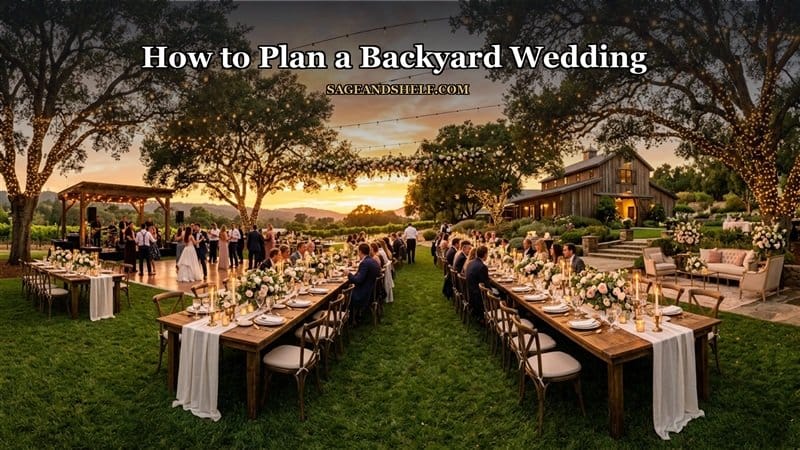
Hosting your nuptials at home creates an intimate, unforgettable atmosphere filled with personal sentimental warmth. When hosting a romantic outdoor wedding reception, your private lawn becomes a magical ceremony venue. Specifically, learning how to plan a backyard wedding gives couples total creative freedom over catering, decor, and timelines. In addition, home celebrations save thousands of dollars compared to traditional commercial banquet halls.
However, transforming residential landscaping into a fully functional event venue requires meticulous infrastructural preparation. Couples must coordinate power distribution, luxury restroom rentals, guest parking, and weather shelter carefully. Therefore, approaching event logistics with a structured roadmap guarantees an effortless celebration for everyone. When combined with outdoor home upgrades like deck staining and sealing, your property looks pristine for photos. Consequently, discovering how to plan a backyard wedding turns your private sanctuary into a fairy-tale setting.
Understanding Backyard Wedding Logistics: Space and Flow.
Before sending invitations, evaluate your property layout to ensure comfortable guest flow and safety. Learning how to plan a backyard wedding starts with measuring square footage across your lawn and patio zones. Specifically, allocate thirty square feet per guest for seated dining, dance floor movement, and ceremony seating. Moreover, design distinct zones so guests transition naturally from vow exchanges to cocktail hour. In addition, establishing dedicated vendor pathways keeps catering staff efficient and unobtrusive. Consequently, deliberate spatial planning forms the bedrock of an extraordinary outdoor celebration.
| Event Zone Setup. | Space Required Per Guest. | Essential Equipment. | Planning Lead Time. |
|---|---|---|---|
| Ceremony Area. | 10 to 12 Square Feet. | Folding Chairs & Floral Arch. | 6 to 9 Months. |
| Dinner Reception. | 20 to 25 Square Feet. | Banquet Tables & Linens. | 9 to 12 Months. |
| Dance Floor. | 4 to 5 Square Feet. | Subfloor & Parquet Deck. | 6 Months. |
| Cocktail Lounge. | 15 Square Feet. | High-Top Tables & Bars. | 4 to 6 Months. |
1. Assess Lawn Capacity and Create Distinct Event Zones.
Begin by surveying your yard to establish functional micro-zones for each phase of the wedding. First, position the ceremony altar against lush natural backdrops like flowering hedges or mature oak trees. This orientation provides stunning photography angles while shading guests from harsh direct sunlight.
Next, designate flat patio sections for cocktail bars, appetizer stations, and guest book tables. Incorporating comfortable outdoor modular seating creates cozy relaxation lounges for older relatives. Furthermore, keep dining tables situated away from kitchen service exits to maintain smooth catering traffic. Therefore, organized spatial zoning keeps your wedding running smoothly from arrival to departure.
2. Secure Municipal Permits, Parking, and Noise Permissions.
Residential neighborhoods enforce strict municipal regulations regarding street parking, commercial deliveries, and amplified music. Contact your local city clerk six months in advance to obtain necessary temporary event permits. In addition, notify your neighborhood association and direct neighbors well ahead of your celebration date.
Arrange off-site parking at nearby community centers, churches, or schools with private shuttle vans. This thoughtful gesture prevents residential street congestion and avoids parking tickets for your invited guests. Furthermore, schedule your DJ or live band to conclude by local evening noise curfew hours. Consequently, proactive municipal coordination prevents unwanted police visits during your special evening.
3. Rent Sturdy Frame Tents and Establish Weather Contingencies.
Outdoor weather is notoriously unpredictable, making a dependable shelter plan non-negotiable for backyard weddings. High-peak pole tents or clear-span frame tents protect guests against unexpected rain showers and blazing afternoon heat. Reserve your rental tent twelve months early during peak spring and autumn wedding seasons.
Order solid sidewall panels that roll down swiftly during windy storms or sudden temperature drops. Next, arrange portable outdoor propane heaters for chilly autumn evenings or misting fans for summer humidity. In addition, install heavy-duty plywood subflooring under the tent to keep formal shoes clean and dry. Therefore, robust weather preparation guarantees celebration comfort regardless of changing skies.
4. Coordinate Supplemental Electrical Power and Quiet Generators.
Standard residential electrical panels cannot support commercial catering warmers, DJ sound systems, and high-wattage lighting simultaneously. Plugging extensive event equipment into standard household outlets trips circuit breakers, killing music and lights instantly. Renting a commercial-grade whisper-quiet diesel generator prevents catastrophic electrical overload.
Consult with your caterer and lighting technicians to calculate total wattage and amp draw accurately. Next, place the generator discreetly behind detached garages or dense shrubbery to eliminate ambient motor hum. Run heavy-duty rubber cable ramps over pedestrian walkways to prevent tripping hazards for guests. Ultimately, dedicated supplemental power keeps all sound systems, refrigeration units, and chandeliers operating safely.
5. Reserve Luxury Portable Restroom Trailers for Guests.
A residential plumbing system with two standard toilets will clog quickly when handling one hundred guests. Overburdening private septic tanks or indoor sewer lines invites disastrous fixture backups during your reception. Instead, rent a luxury multi-stall mobile restroom trailer featuring flushing porcelain toilets and running water sinks.
Luxury restroom trailers include air conditioning, vanity mirrors, interior LED lighting, and hands-free soap dispensers. First, position the restroom trailer on flat, stable ground near water and power connections. Next, place a thoughtful basket filled with mints, hand lotions, safety pins, and stain removers inside. Consequently, professional mobile restrooms maintain superior hygiene while protecting your private household plumbing.
6. Install Romantic Ambient Lighting and Hanging String Fixtures.
As sunset approaches, strategic lighting transforms your backyard into an enchanting, luminous wonderland. Drape warm white Edison bistro string lights across tree branches in sweeping crisscross patterns overhead. Furthermore, wrap mature tree trunks with twinkling micro-fairy lights to create depth and magical woodland ambiance.
Line gravel walkways and garden borders with glowing glass hurricane lanterns containing flameless LED pillars. In addition, place delicate votive candles and floral garlands along all dining tables for romantic dinner intimacy. Installing dimmable lighting controls allows your coordinator to adjust brightness smoothly when dancing begins. Therefore, layered illumination sets a cozy, sophisticated mood across your entire celebration.
7. Build a Level Dance Floor and Coordinate Smooth Food Service.
Dancing on natural lawn turf ruins delicate high heels and causes dangerous slip-and-trip hazards. Rent a portable interlocking parquet or vinyl dance floor and install it over solid leveled subfloor panels. Ensure the dance floor sits central to dining tables so everyone feels connected to the celebration.
Choose catering styles tailored specifically to residential layouts, such as family-style platters or gourmet food trucks. Buffet stations work wonderfully when placed along wide patio perimeters with dual-sided access lines. In addition, hire professional bussing staff to clear dirty glassware, plates, and trash continuously throughout the night. Proving how to plan a backyard wedding successfully hinges on seamless service and joyful celebration.
Backyard Lawn Prep Timeline for Wedding Hosts.
Preparing your outdoor lawn requires careful landscaping care in the months leading up to the event:
- Three Months Before: Aerate, overseed, and apply balanced organic fertilizers to build lush green turf.
- One Month Before: Trim low-hanging tree branches, shape perimeter shrubs, and plant fresh flowering annuals.
- One Week Before: Spray eco-friendly cedar oil pest repellent to eliminate mosquitoes, gnats, and biting flies.
- Two Days Before: Cut lawn grass to standard height, allowing clippings to dry completely before tent setup.
Common Backyard Wedding Planning Pitfalls to Avoid.
Many enthusiastic couples underestimate the logistical complexity of hosting large outdoor gatherings at home. Forgetting to hire professional day-of coordinators leaves newlyweds managing vendor arrivals and trash bins during vows. Always hire an experienced event planner to manage timelines, deliveries, and cleanup seamlessly.
Another frequent error is neglecting trash disposal and recycling infrastructure during late-night reception hours. Large events produce substantial waste that overflows standard residential garbage cans within two hours. Rent commercial trash dumpsters and place discreet, linen-covered receptacles throughout the venue for tidy waste management. Avoiding these mistakes ensures an extraordinary, stress-free celebration.
Frequently Asked Questions About How to Plan a Backyard Wedding.
Q1: Is a backyard wedding cheaper than a traditional venue?
Yes, but renting tents, generators, and restrooms requires dedicated budgeting alongside traditional catering costs.
Q2: How many guests can comfortably fit in a standard backyard?
A standard quarter-acre lawn accommodates seventy-five to one hundred guests comfortably with tented dining.
Q3: How do you handle mosquitoes at an outdoor backyard wedding?
Apply professional organic pest barrier sprays forty-eight hours prior and position discreet citronella diffusers around lounges.
Q4: Do you need wedding event insurance for a backyard wedding?
Yes, obtain special event liability insurance to protect your property and guests against accidental damage.
Conclusion: Celebrate Your Unforgettable Backyard Love Story.
In conclusion, learning how to plan a backyard wedding allows couples to create timeless, intimate memories at home. By zoning your landscape thoughtfully, securing commercial power, and providing luxury amenities, you ensure total guest comfort. Remember to secure municipal permits, respect neighborhood curfews, and prepare for unexpected weather changes. Master these proven steps on how to plan a backyard wedding to celebrate your marriage with elegance.
Visit sageandshelf for more details.