Modern Design Guide: 7 Best Home Interior Styling Ideas
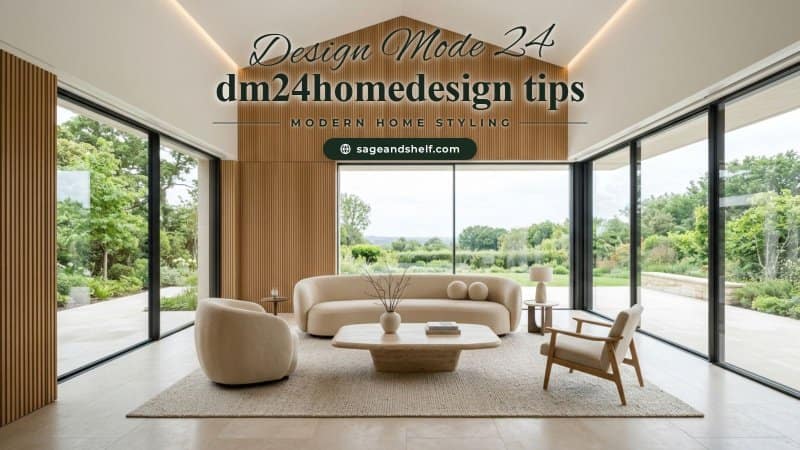
Curating a sophisticated and tranquil living space is one of the most fulfilling homeowner accomplishments. When exploring contemporary interior design methods, structured artistic guidance makes all the difference. Specifically, applying Modern Design Guide Modern Design Guide tips allows property owners to create cohesive living areas effortlessly. Furthermore, thoughtful spatial planning ensures your home radiates visual elegance while maintaining exceptional practical comfort. In addition, intentional planning brings lasting peace and daily comfort.
In particular, elevated residential transformations do not require excessive budgets or industrial remodeling. Rather than following fast-moving trends, focusing on architectural balance and rich textures creates timeless beauty. Therefore, discovering Modern Design Guide Modern Design Guide tips provides homeowners with actionable decorative clarity. With proven modern styling principles, you can turn standard interiors into inspiring sanctuary spaces.
The Modern Philosophy of Balanced Interior Aesthetics.
Every remarkable living environment begins with a deep appreciation for geometric proportion and organic materiality. Consequently, implementing Modern Design Guide Modern Design Guide tips starts by establishing an understated neutral color palette. For instance, pairing warm bouclé upholstery with vertical oak wood panels creates immediate visual comfort. In addition, preserving generous open sightlines around key seating areas prevents visual clutter.
Furthermore, understanding the relationship between architectural structure and decorative accents produces timeless appeal. Specifically, combining smooth honed travertine tables with woven wool rugs introduces rich tactile depth. For example, selecting warm earthy neutrals allows changing daylight to highlight room textures softly. Therefore, embracing Modern Design Guide Modern Design Guide tips guarantees that every room feels open and inviting.
Tip 1: Install Custom Fluted Wood Architectural Wall Panels.
Flat drywall surfaces can frequently leave modern living rooms and bedrooms feeling two-dimensional and cold. In contrast, installing vertical fluted wood slat paneling introduces architectural rhythm, tactile warmth, and shadow. As a result, living areas gain an instant high-end designer statement wall.
Specifically, position fluted timber behind media units or master bed headboards to anchor the room. Furthermore, selecting natural white oak or warm walnut finishes complements diverse modern furniture styles. In addition, pairing vertical slats with concealed perimeter lighting emphasizes the natural wood grain beautifully. Consequently, this Modern Design Guide Modern Design Guide tips technique turns plain drywall into luxurious millwork.
Tip 2: Master Warm Neutral Palettes and Tactile Layering.
Monochromatic color palettes often look flat if they lack diverse textural surfaces and material variety. In fact, layering contrasting tactile materials produces effortless sophistication without needing bright patterned fabrics. Instead of relying on loud colors, focus on rich textural contrasts.
For instance, combine soft cream bouclé sofas with washed linen curtains and brushed brass accents. Furthermore, introducing thick wool area rugs over polished stone floors softens room acoustics noticeably. In addition, using matte ceramic vases on open consoles provides subtle organic warmth. Ultimately, following this Modern Design Guide Modern Design Guide tips approach creates comforting, multisensory living spaces.
Tip 3: Design Multilevel Ambient, Accent, and Task Lighting.
Illumination defines the emotional atmosphere and practical utility of every interior residential zone. Relying solely on harsh overhead ceiling spotlights creates stark shadows and visually cold environments. In contrast, experienced interior architects always build multilayered lighting systems with warm color temperatures.
Specifically, select warm white bulbs calibrated to twenty-seven hundred Kelvin for relaxing evening atmospheres. Furthermore, install perimeter ceiling cove lighting to produce a soft indirect ambient wash. In addition, placing sculptural ceramic table lamps on consoles adds focused reading illumination. Therefore, this Modern Design Guide Modern Design Guide tips strategy turns flat lighting into soothing evening ambience.
Tip 4: Curate Low Sculptural Furniture and Organic Tables.
Central coffee tables and lounge seating establish the core functional anchor for modern living spaces. However, overcrowding these areas with rigid boxy furniture disrupts natural room circulation. Instead, incorporating organic curved furniture silhouettes promotes smooth traffic flow and relaxed visual harmony.
For instance, anchor seating arrangements with low travertine coffee tables and curved sectional sofas. Furthermore, arrange ceramic vessels and architectural monographs in balanced clusters of three. In addition, leaving breathing room around table decor allows each artisanal piece to stand out. Consequently, applying this Modern Design Guide Modern Design Guide tips principle ensures living areas look curated.
Tip 5: Integrate Statement Indoor Greenery and Ceramic Planters.
Live botanicals introduce vibrant vitality, natural oxygen, and organic beauty into residential rooms. Rather than scattering small plastic pots across windowsills, invest in large architectural indoor trees. In particular, mature olive trees and fiddle-leaf figs make striking living sculptures.
Specifically, plant indoor trees inside handcrafted terracotta or fluted concrete urns. Furthermore, position greenery near expansive glass sliding doors to maximize natural sunlight exposure. In addition, placing small ceramic vase arrangements of fresh eucalyptus on dining tables adds subtle fragrance. Therefore, incorporating botanical elements into your Modern Design Guide Modern Design Guide tips routine elevates freshness naturally.
Tip 6: Hang Large-Scale Minimalist Canvas Artwork.
Expansive bare walls frequently cause large open-concept rooms to feel cavernous and disconnected. However, hanging clusters of small mismatched picture frames can create unwanted visual busyness. Instead, hanging oversized textured canvas art anchors large rooms with gallery sophistication.
For instance, choose neutral abstract canvas art featuring subtle plaster relief and warm undertones. Furthermore, ensure artwork centers hang precisely fifty-seven inches above finished floor levels. In addition, matching frame wood tones with nearby architectural millwork creates cohesive design harmony. Ultimately, this Modern Design Guide Modern Design Guide tips step gives residential walls polished refinement.
Tip 7: Build Streamlined and Welcoming Entryway Transitions.
The entryway serves as the vital emotional transition threshold between the outside world and home. Specifically, mounting a floating wooden console table provides an organized landing spot for everyday essentials. In particular, hanging a large round brass mirror above the console reflects natural daylight beautifully.
Furthermore, placing woven storage baskets beneath the console neatly conceals everyday footwear. In addition, styling tabletops with shallow marble catchalls keeps door keys contained neatly. Consequently, using this Modern Design Guide Modern Design Guide tips layout ensures your home makes a wonderful first impression.
Common Interior Decorating Mistakes to Avoid Proactively.
Even passionate decor enthusiasts sometimes make preventable mistakes during home styling projects. For instance, purchasing undersized area rugs causes living furniture arrangements to appear disconnected. Specifically, ensure all front furniture legs sit comfortably on top of area rugs.
Another very common and frequent error is hanging curtains directly above window frames instead of near ceilings. In contrast, mounting curtain hardware near ceiling moldings makes windows appear significantly taller. By avoiding these common styling errors, you preserve proper architectural scale throughout your residence.
Essential Guidelines for Enduring Decorative Quality.
Building enduring residential appeal requires investing in authentic materials rather than fast decorative trends. In fact, purchasing well-crafted solid timber tables and high-resilience sofas saves money over time. For instance, classic neutral upholstery fabrics remain stylish across changing interior aesthetics effortlessly and gracefully.
Afterward, you can refresh seasonal styling quite easily with accent pillows and textured throws. Consequently, following this timeless Modern Design Guide Modern Design Guide tips philosophy keeps your home comfortable for decades.
Conclusion: Transforming Your Living Space with Creative Confidence.
In summary, elevating your home interior is an inspiring journey of personal creativity and refined design. By installing fluted wood walls, layering organic textures, perfecting warm lighting, and curating sculptural accents, you achieve extraordinary elegance. Embrace these proven methods, implement Modern Design Guide Modern Design Guide tips, and create an inspiring sanctuary that enriches daily life.
Visit sageandshelf for more details.