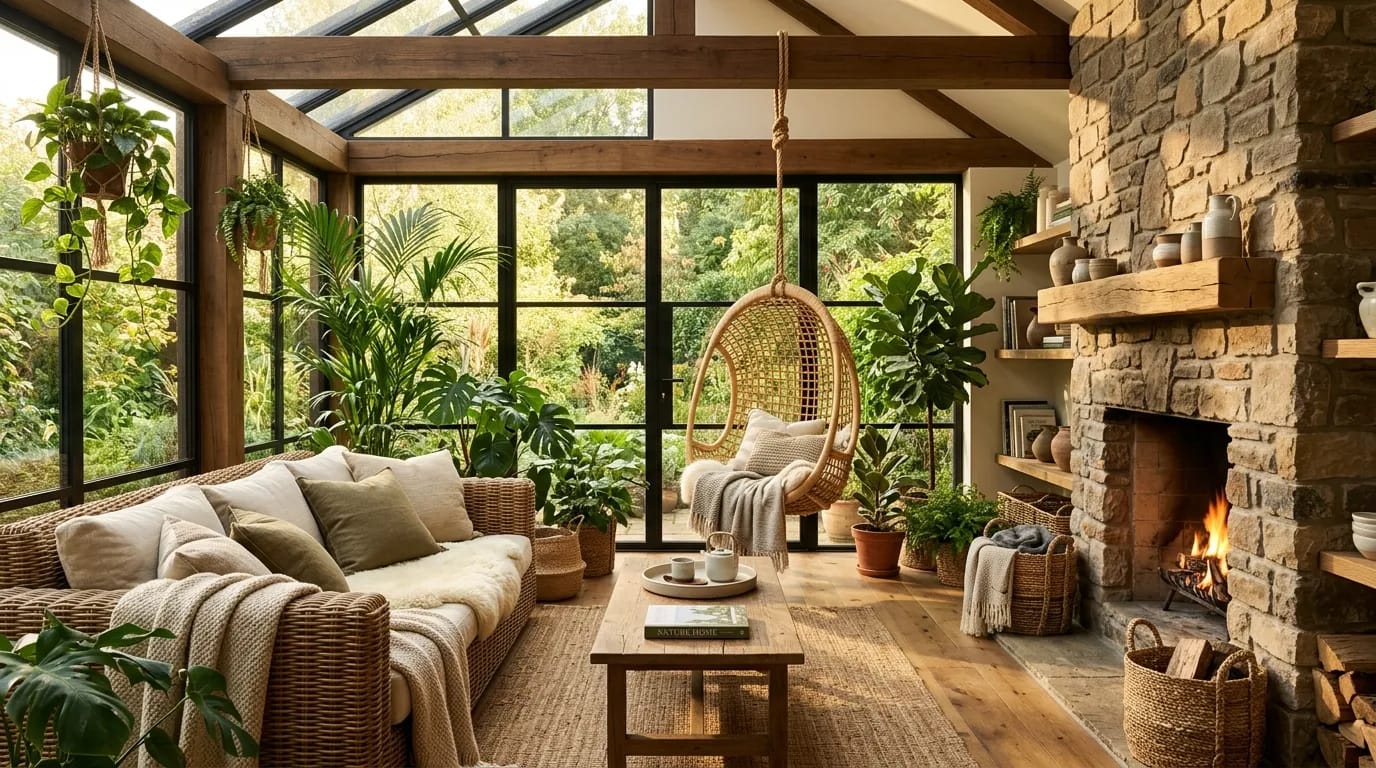
21 Forest Foraging Decor Ideas Full of Rustic Magic

Forest foraging decor turn everyday home into cozy woodland retreat using simple natural elements gathered with care. Instead of filling shelves with factory made decorations, forest foraging decor celebrate beauty of pinecones, moss, branches, acorns, dried flowers, bark, feathers, woven baskets, weathered wood, stone, evergreen clippings. Every piece bring warmth, texture, personality without feeling expensive or overdone.
Many people love forest foraging decor because style work in almost every home. Cozy cabin, modern farmhouse, cottage, Scandinavian space, apartment all benefit from earthy colors and organic materials. Soft greens, warm browns, creamy whites, muted gray, gentle rust tones create peaceful atmosphere that never go out of style. Better still, many decorations cost little because nature already provide beautiful materials if gathered responsibly.
Forest Foraging Decor also change naturally with seasons. Spring branches become summer wildflowers. Autumn leaves replace fresh greenery. Winter evergreen and pinecones create cozy displays. Small seasonal décor ideas keep home feeling fresh without buying new collections every few months.
Another reason forest foraging decor stay popular on Pinterest and home blogs comes from personal touch. Every basket, branch, moss arrangement, or woodland centerpiece tell story about favorite walk, family trip, or quiet afternoon outdoors. Instead of copying someone else’s home, you create space filled with meaningful details.
Below, discover forest foraging decor ideas that look beautiful, feel timeless, and help create home full of rustic magic.
1. Fill Woven Baskets with Pinecones
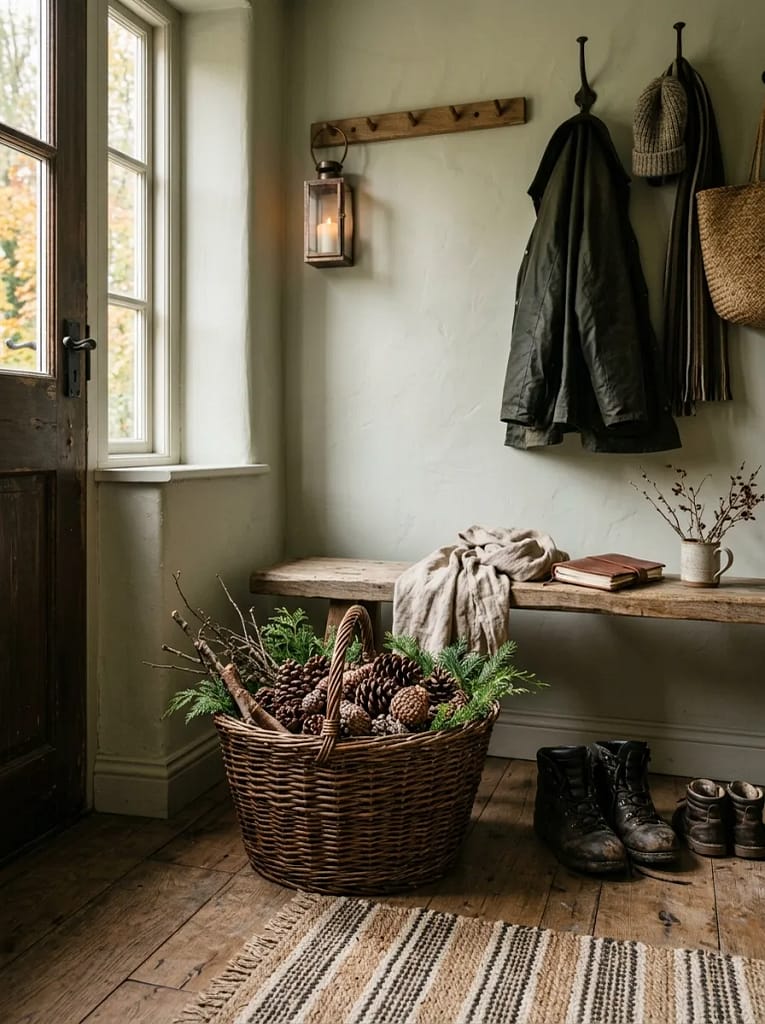
One easiest ways to embrace Forest Foraging Decor start with woven baskets filled with pinecones. Simple idea create instant woodland feeling while adding texture and warmth to almost any room. Large willow, rattan, or seagrass baskets pair naturally with earthy decorating styles and make pinecones look like intentional design feature instead of random collection.
Place basket beside fireplace, entryway bench, reading chair, or under console table. Different pinecone sizes make display more interesting because natural variety mimic forest floor. Leave pinecones their original color instead of painting them. Rich brown shades, rough texture, and unique shapes already provide plenty of visual interest.
For even richer Forest Foraging Decor, tuck cedar branches, dried eucalyptus, or evergreen clippings between pinecones. During autumn, add few colorful leaves. During winter, include cinnamon sticks and dried orange slices for seasonal charm.
Avoid overfilling basket until everything spill out. Give pinecones room so individual shapes remain visible. Clean and dry gathered pinecones before bringing indoors to reduce moisture and unwanted insects. Small habit help decorations last much longer while keeping home clean.
This Forest Foraging Decor idea suit beginners because cost very little, require almost no maintenance, and remain beautiful through every season.
2. Create Moss Table Centerpiece
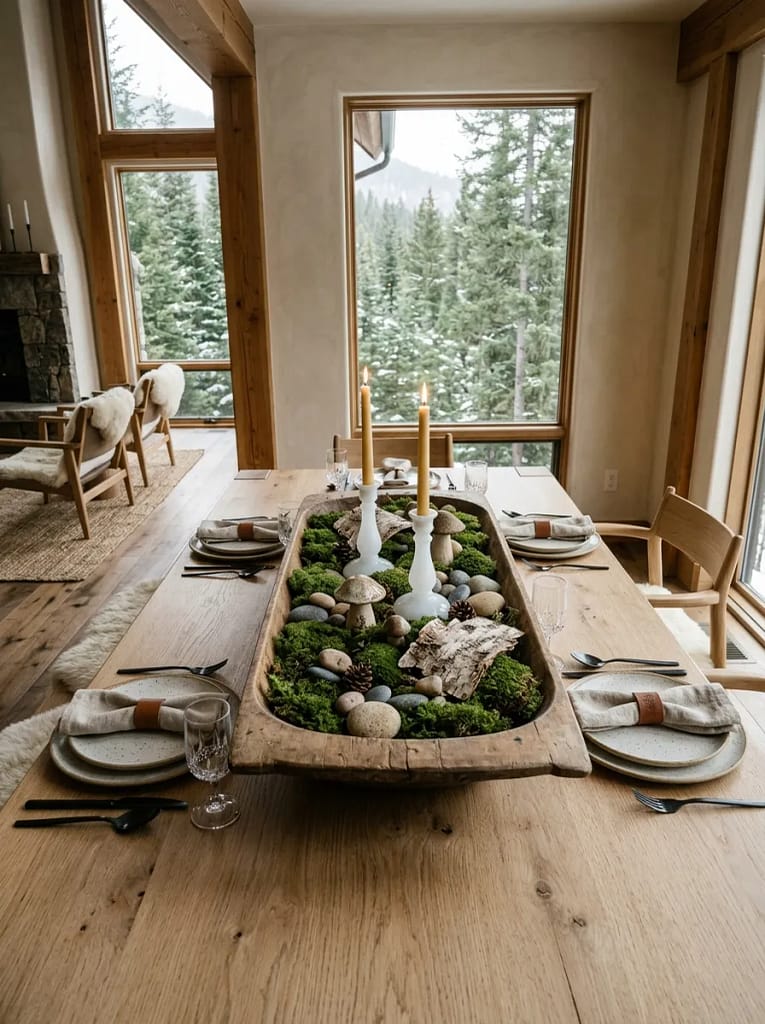
Moss create one most magical Forest Foraging Decor centerpieces because rich green texture instantly remind people of peaceful woodland paths. Preserved moss work especially well since keep color without needing water or sunlight.
Start with shallow wooden tray, vintage dough bowl, or stone platter. Cover base with different moss textures for natural depth. Then add small pinecones, birch bark, smooth stones, acorns, tiny mushrooms, and glass candle holders. Result feel collected instead of manufactured.
Coffee tables, dining tables, kitchen islands, and entry consoles all benefit from moss centerpiece. Soft green color balance wood furniture beautifully while creating calming atmosphere.
For spring, add delicate branches with fresh buds. Summer work well with ferns. Autumn welcome colorful leaves and acorns. Winter look stunning with evergreen clippings and white candles.
Many beginners make mistake by adding too many decorations. Forest Foraging Decor work best when natural materials remain focus. Leave open space between elements so each texture stand out.
Dust centerpiece gently every few weeks using soft brush or cool hair dryer setting. Good care help preserved moss remain attractive for long time.
3. Display Large Branches in Ceramic Vases
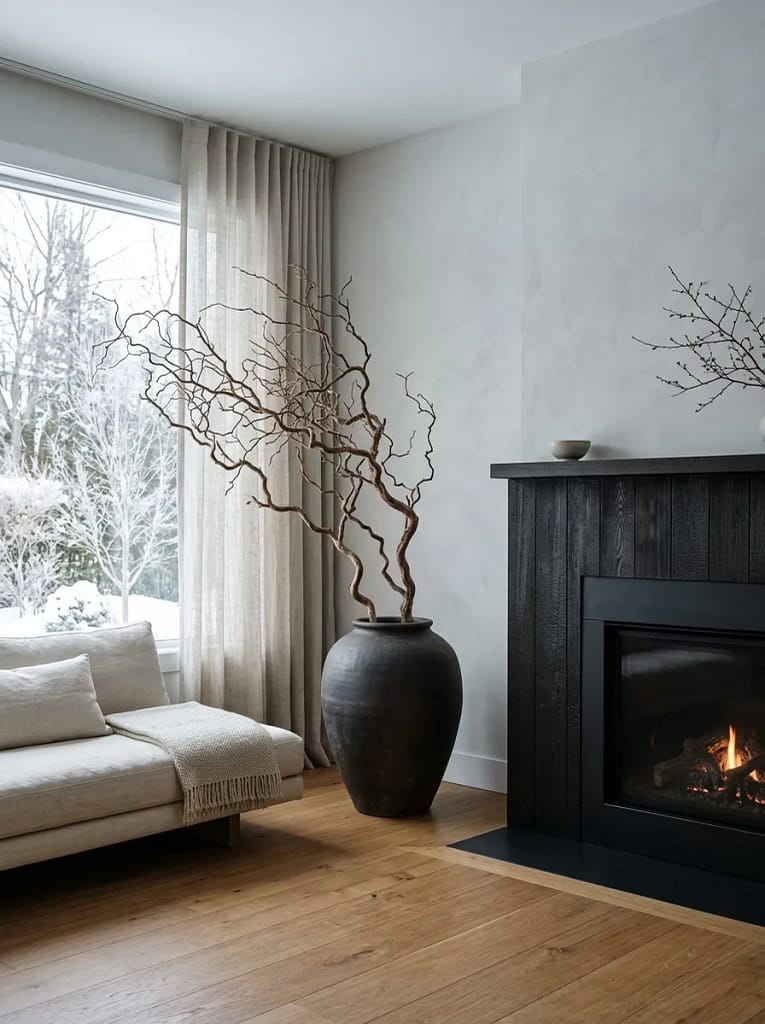
Large branches become natural sculptures inside home and represent classic Forest Foraging Decor without requiring expensive artwork. Twisted limbs, graceful curves, interesting bark, and seasonal buds create dramatic display with very little effort.
Choose tall ceramic vase with matte finish in cream, gray, stone, or earthy brown. Neutral colors allow branch become center of attention. Large floor vase work well near fireplace, front door, staircase, or empty corner needing height.
Different seasons offer different beauty. Spring branches show fresh buds. Summer branches display lush greenery. Autumn branches carry colorful leaves. Winter bare branches highlight elegant shapes.
Avoid perfectly straight branches whenever possible. Curved, weathered, or naturally aged wood bring much stronger woodland character.
If collecting branches outdoors, brush away dirt, allow wood dry completely, and check carefully for insects before bringing inside. Simple preparation keep Forest Foraging Decor clean and long lasting.
Pair branch arrangement with woven basket, linen curtains, and wooden furniture for balanced rustic style that never feel forced.
4. Build Woodland Shelf Display
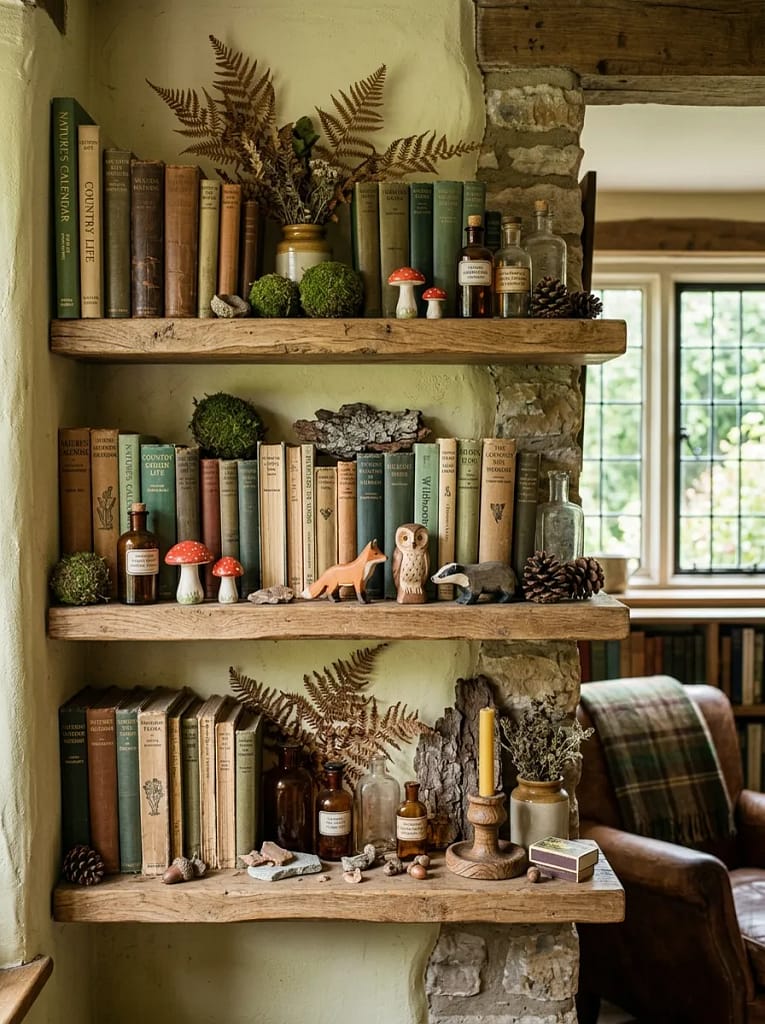
Open shelves become perfect place for creative Forest Foraging Decor because different natural textures layer beautifully together. Instead of filling every inch, create thoughtful display with breathing room between objects.
Mix vintage books, moss balls, pinecones, wooden candle holders, ceramic mushrooms, bark pieces, dried ferns, woven baskets, antique bottles, and small woodland animal carvings. Different heights create movement while natural colors keep everything connected.
Use larger items near back and smaller decorations toward front. Stacking few books under decorative objects also add height without buying expensive risers.
Forest Foraging Decor shelves look best when every object feel collected over time instead of purchased together. Small imperfections give display authentic personality.
Also Read: 22 Autumn Garden Ideas for Dreamy Seasonal Beauty
Change few pieces each season. Replace spring greenery with dried grasses during summer, colorful leaves during autumn, evergreen during winter. Small updates make shelves feel fresh throughout year without complete redesign.
Avoid using bright plastic decorations because they interrupt peaceful woodland mood. Natural materials always blend better and age more gracefully.
5. Decorate with Birch Logs
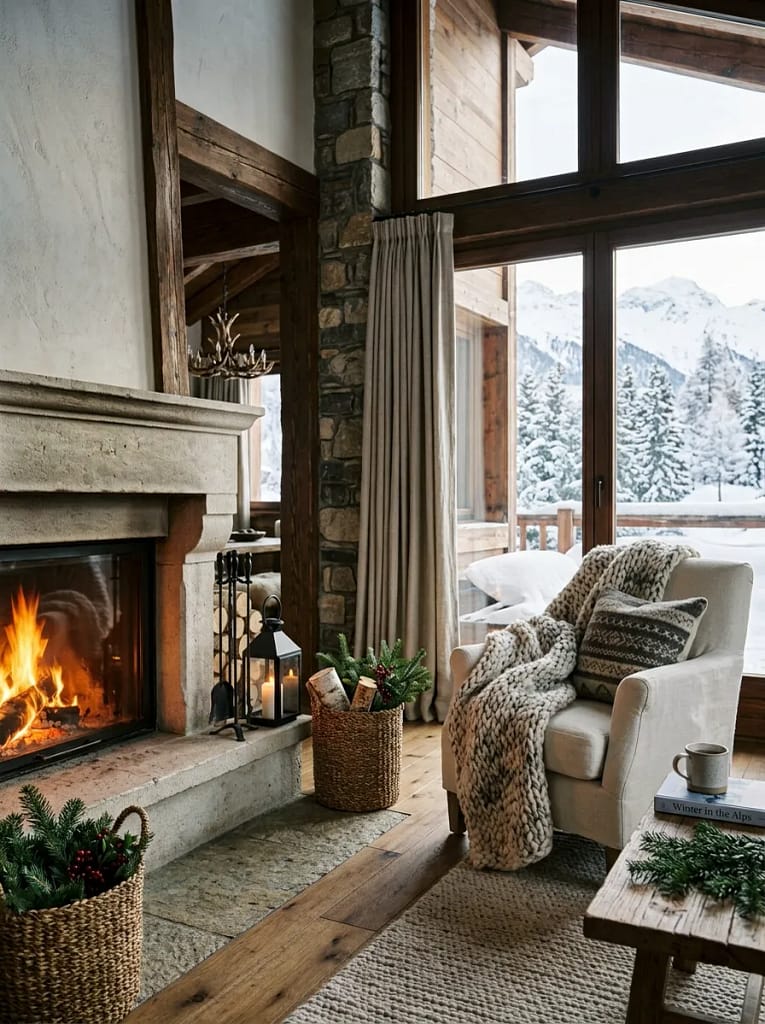
Birch logs bring unmistakable woodland character into Forest Foraging Decor thanks to beautiful white bark and natural texture. Even single stack beside fireplace transform room into cozy retreat.
Homes without fireplace still benefit from birch logs. Place stack inside woven basket, beside reading chair, under console table, or next to indoor plants. Decorative logs create visual warmth even when never burned.
Birch pair especially well with linen fabrics, wool blankets, black metal lanterns, stone accessories, and greenery. Combination feel modern yet timeless.
Choose clean, dry logs without loose bark or signs of insects. Sealed decorative logs last longer indoors and require almost no maintenance besides occasional dusting.
For holidays, wrap small string lights around birch stack or add evergreen branches nearby. During spring and summer, combine birch with fresh greenery instead.
Forest Foraging Decor often rely on contrast. Smooth white bark beside rough woven basket or soft blanket create balanced, inviting look readers love saving on Pinterest.
6. Hang Dried Wildflower Bundles
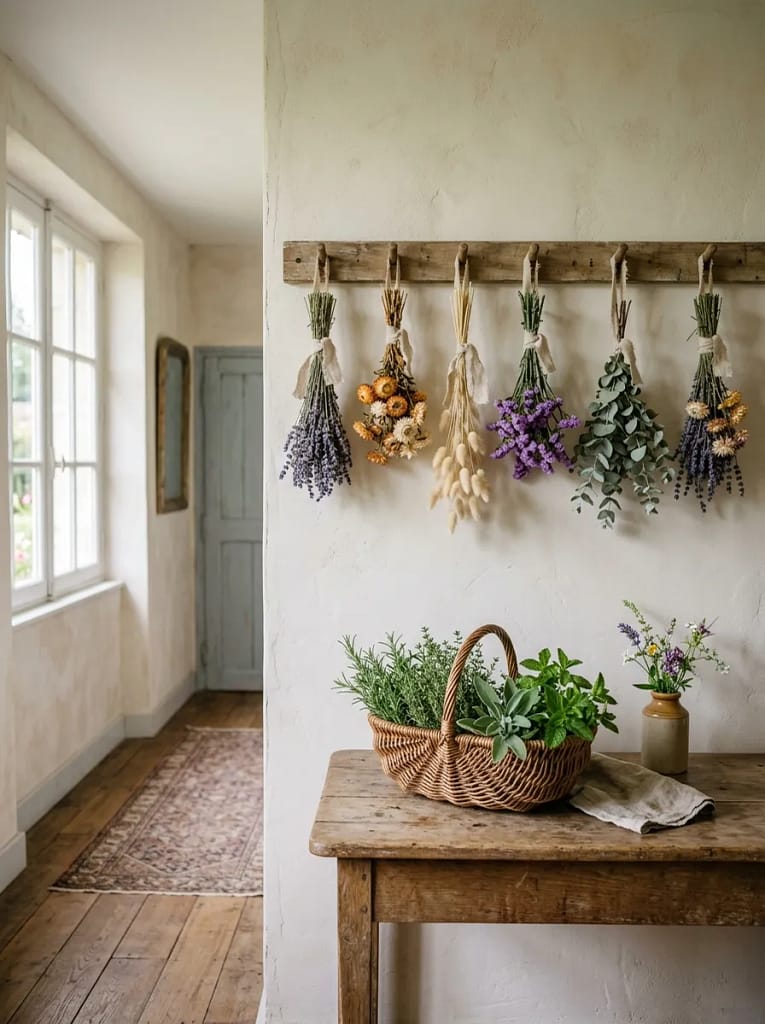
Dried flowers bring soft color, gentle texture, and natural beauty into Forest Foraging Decor without demanding daily care. Lavender, yarrow, eucalyptus, bunny tails, statice, and strawflowers all dry beautifully while keeping charming rustic appearance.
Tie stems with linen ribbon, jute twine, or thin leather cord. Hang bundles upside down from hooks, wooden pegs, exposed beams, or vintage ladder. Simple display create relaxed cottage feeling while celebrating changing seasons.
Choose muted colors like dusty purple, cream, pale yellow, soft green, and warm beige. These shades blend naturally with wood furniture and earthy textiles.
Keep dried flowers away from direct sunlight because strong light fade colors faster. Gentle dusting every few weeks help arrangements stay fresh looking.
Many people overload bundles with too many stems. Smaller bunches often appear more elegant and realistic. Spread several small bundles around room instead of creating one oversized arrangement.
Forest Foraging Decor become softer and more welcoming with dried botanicals because flowers balance rough textures from bark, branches, and stone.
7. Style Wooden Trays with Forest Finds
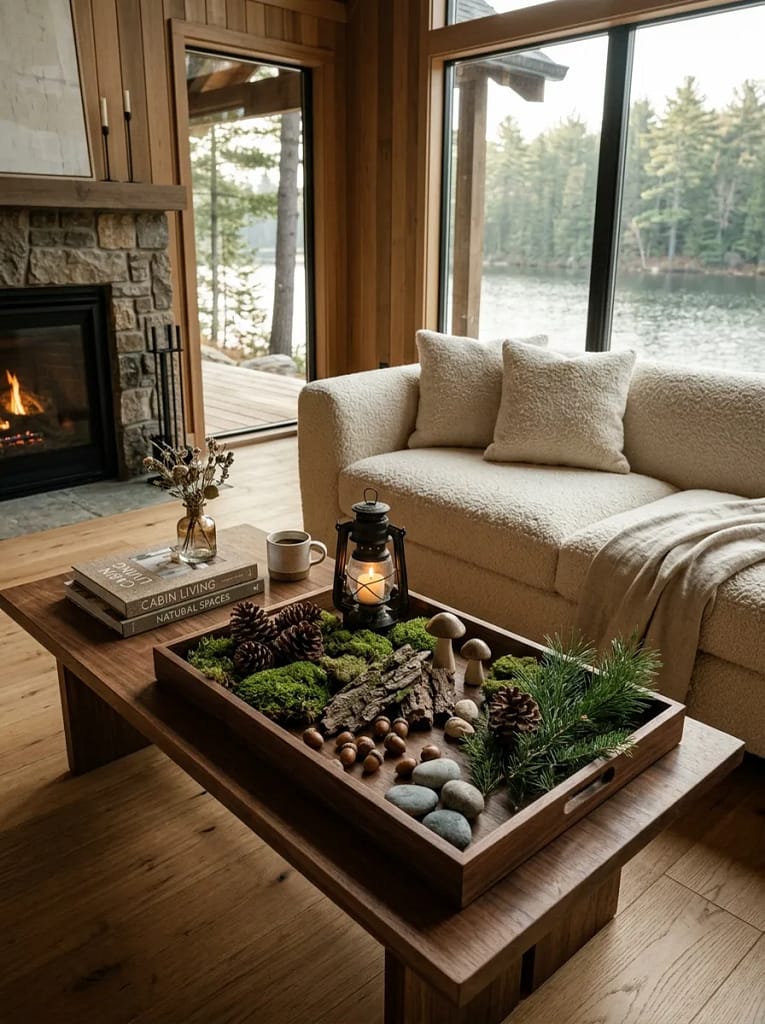
Wooden trays make Forest Foraging Decor look organized while keeping natural collections easy to update every season. Round, rectangular, reclaimed, or carved trays all work beautifully depending on home style.
Fill tray with mix of pinecones, acorns, moss, candles, river stones, bark pieces, dried seed pods, small lantern, ceramic mushrooms, and evergreen sprigs. Different textures create layered display that feel gathered during peaceful woodland walk.
Tray work well on coffee table, dining table, kitchen island, bedroom dresser, or entry console. Because everything stay inside one defined space, arrangement appear tidy even with many natural materials.
Also Read: 20 Fall Fire Pit Ideas for Cozy Backyard Evenings
Change decorations through year. Fresh greenery during spring, dried grasses during summer, colorful leaves during autumn, evergreen branches during winter. Same tray become completely different centerpiece with only few simple changes.
Avoid using too many colorful decorations together. Forest Foraging Decor shine through earthy palette and natural textures rather than bright artificial colors.
Small tray styling project cost very little but make home feel thoughtful, cozy, and connected with nature. Many Pinterest readers love this idea because easy to recreate using items already collected during outdoor walks.
8. Add Mushroom Decor with Natural Finishes
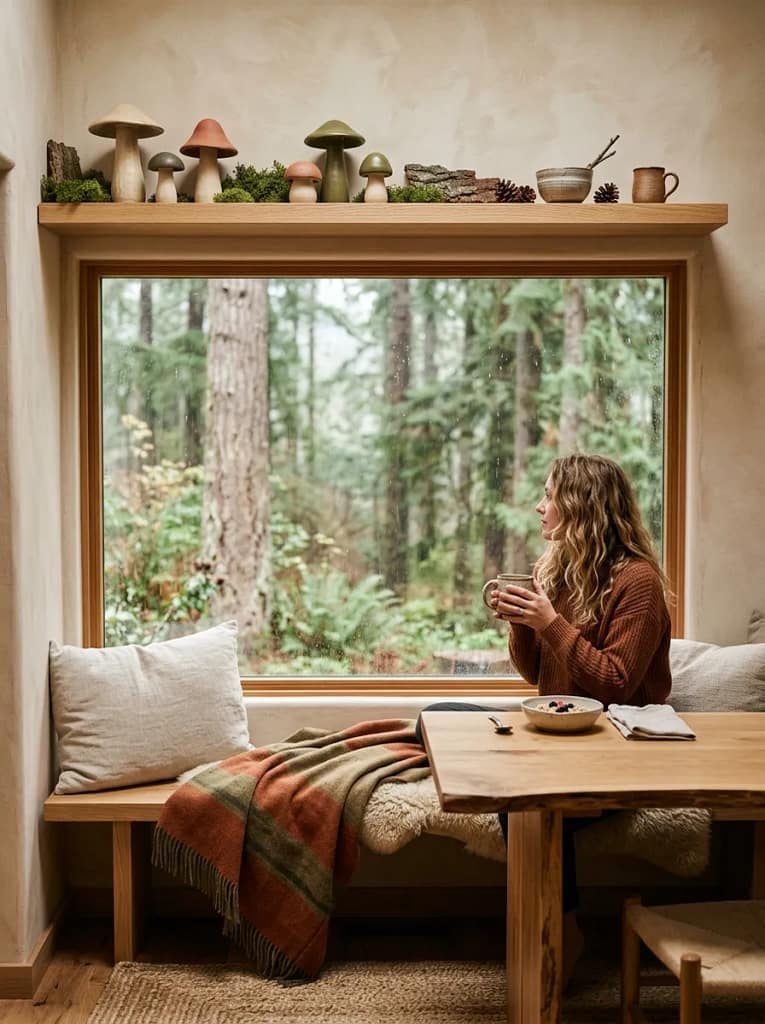
Mushrooms become one biggest trends in Forest Foraging Decor because they capture whimsical woodland feeling without making room look childish. Choose mushroom decorations made from wood, ceramic, stone, resin with realistic finish, or felt. Natural materials fit much better than shiny plastic because goal stay close to nature.
Place few mushroom accents on bookshelf, coffee table, mantel, or inside moss centerpiece. Small groups of two or three create balanced look. Pair mushrooms with pinecones, moss, bark, and candles for complete woodland scene. Earthy colors like cream, brown, terracotta, olive green, and muted rust blend beautifully with Forest Foraging Decor palette.
Avoid placing mushroom decoration everywhere. Too many pieces quickly turn elegant woodland style into themed display. Keep accents subtle so every mushroom catch eye naturally.
Dust ceramic and wooden mushrooms regularly using soft cloth. Felt mushrooms should stay away from damp areas to prevent damage. This Forest Foraging Decor idea work during every season and appeal to both rustic farmhouse and modern cottage interiors.
9. Layer Natural Textiles
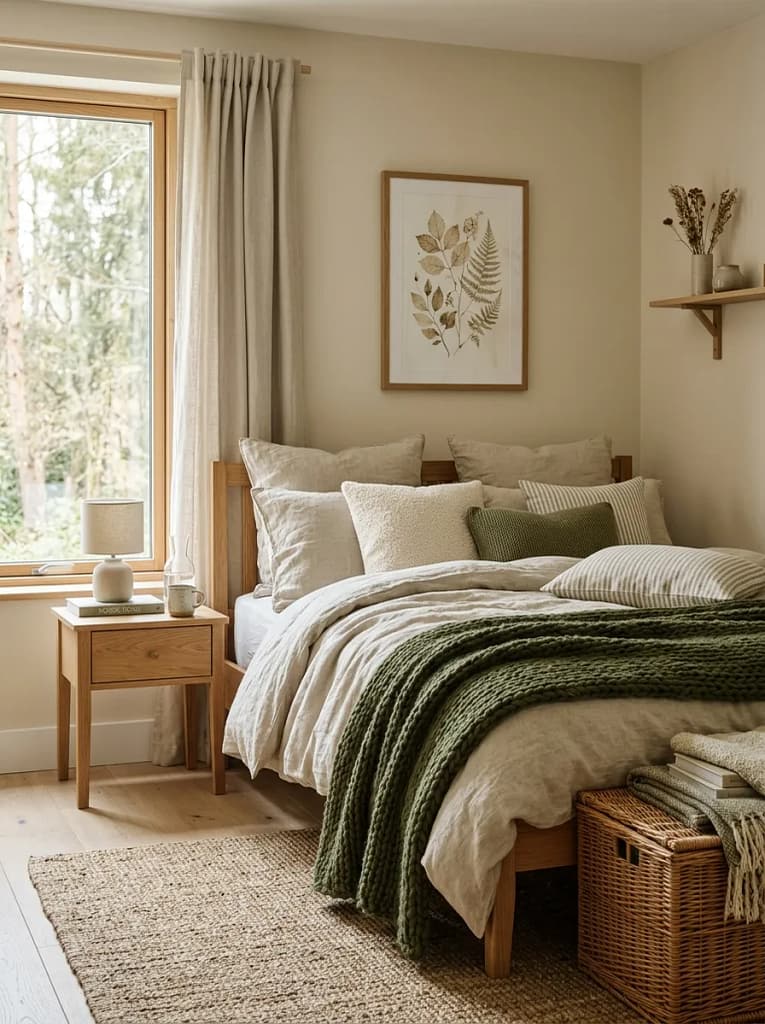
Forest Foraging Decor feel incomplete without soft natural fabrics. Wood, stone, branches, and pinecones bring texture, but blankets, rugs, and pillows create comfort that invite people stay longer.
Choose linen curtains, chunky knit throws, wool blankets, cotton pillow covers, woven rugs, and soft boucle cushions. Stick with earthy colors like forest green, moss, cream, oatmeal, bark brown, warm gray, muted rust, and soft beige. Layer different textures instead of matching every fabric. Variety create cozy feeling similar to layers found in forest.
Living rooms and bedrooms benefit most from this approach. Drape blanket over chair, stack linen pillows on sofa, place woven rug beneath coffee table, and add wicker basket nearby for extra warmth.
Many beginners buy bright patterned fabrics that clash with woodland colors. Forest Foraging Decor depend on calm earthy palette rather than loud prints. Small botanical patterns work well, but keep overall look simple.
Wash fabrics according to care labels and rotate pillows regularly so everything wear evenly. Good textiles make natural decorations feel intentional instead of unfinished.
10. Craft Twig Candle Holders
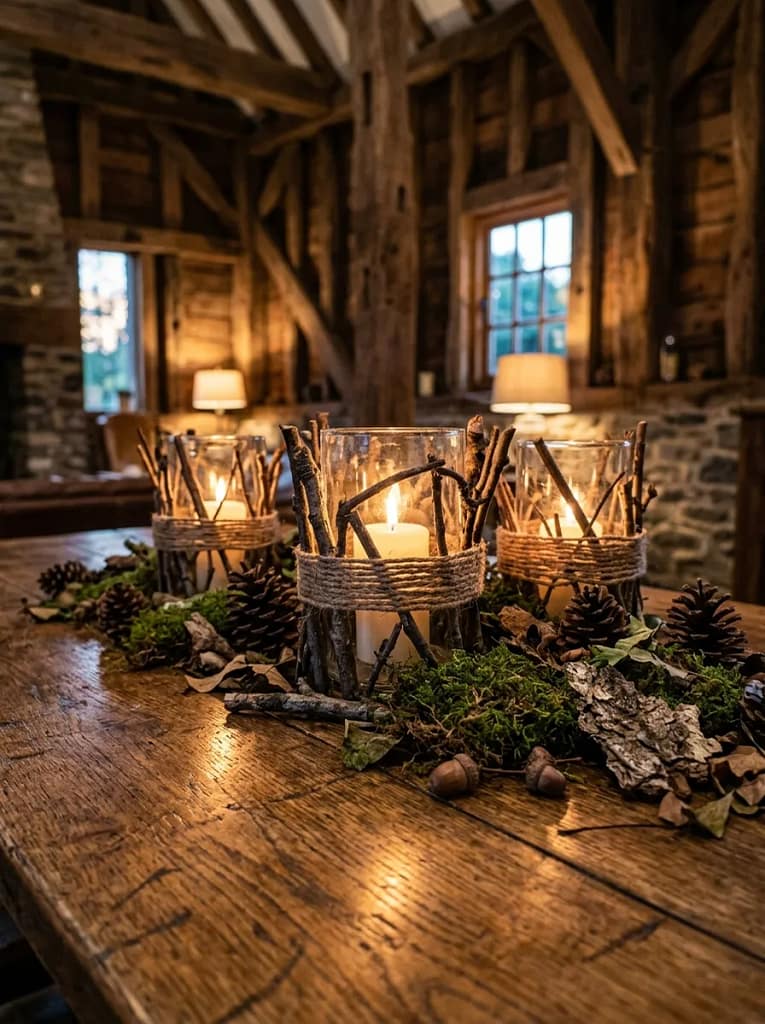
Twig candle holders combine handmade charm with practical decorating. This Forest Foraging Decor project cost very little because most materials come from fallen branches collected during outdoor walk.
Choose clean straight twigs and cut them into similar lengths. Wrap twigs around glass candle holder using natural jute twine or safe craft adhesive. Finished piece look rustic while allowing warm candlelight shine through small gaps.
Also Read: 23 Fall Front Door Wreath Ideas for Instant Charm
Display twig candle holders on dining table, mantel, entry console, or coffee table. Group three different heights together for stronger visual impact. Pair with moss, pinecones, acorns, and wooden tray for complete Forest Foraging Decor centerpiece.
Battery candles work well for homes with children or pets while creating same cozy glow. If using real candles, never leave flame unattended and keep twigs away from direct contact with fire.
Avoid using damp wood because moisture can lead to mold indoors. Dry twigs completely before crafting. Simple project make thoughtful handmade gift and add personal character impossible to find in mass produced decorations.
11. Build Seasonal Foraged Wreath
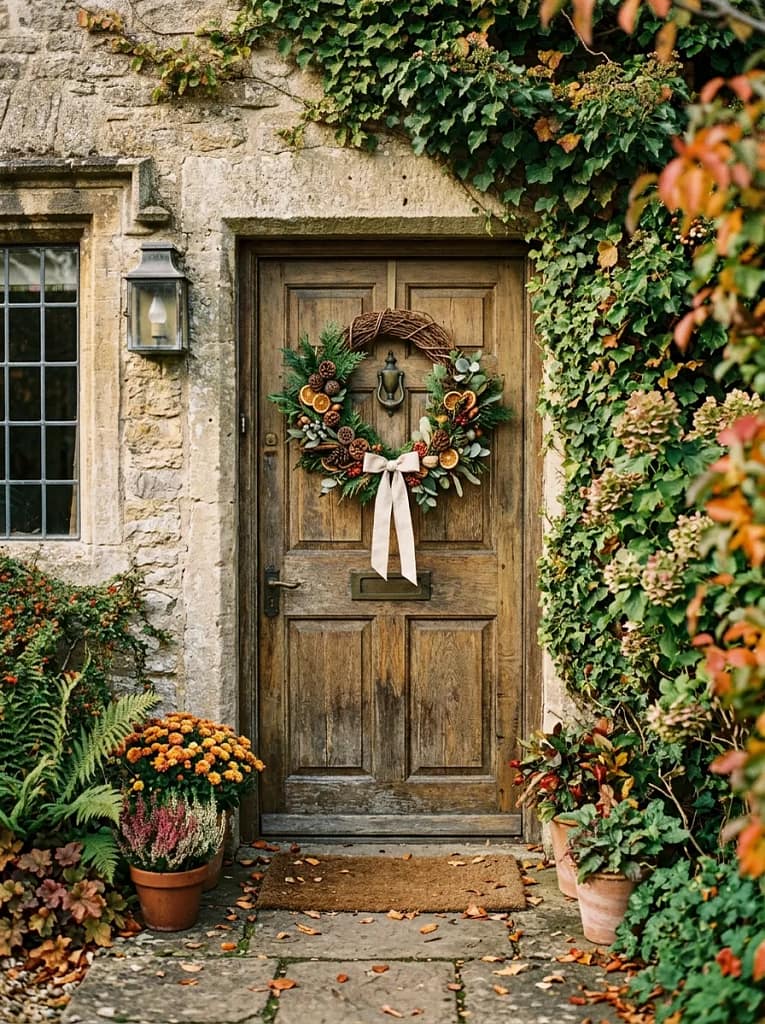
Seasonal wreath remain one most versatile Forest Foraging Decor projects because same grapevine base transform throughout year using different natural materials.
Spring wreath might include budding branches, fresh greenery, and delicate blossoms. Summer work beautifully with lavender, wild grasses, herbs, and eucalyptus. Autumn welcome colorful leaves, pinecones, seed pods, and acorns. Winter shine with cedar, pine, spruce, juniper, and dried orange slices.
Hang wreath on front door, above fireplace, or over dining room sideboard. Natural ribbon made from linen or velvet add soft finishing touch without overpowering design.
Forest Foraging Decor become more personal when wreath include materials collected during favorite walks or family outings. Every season tell different story while using same reusable base.
Do not overload wreath with decorations until shape disappear. Natural gaps create lighter, more elegant appearance. Store wreath carefully in dry place between seasons so base remain usable for many years.
12. Incorporate Antique Glass Bottles
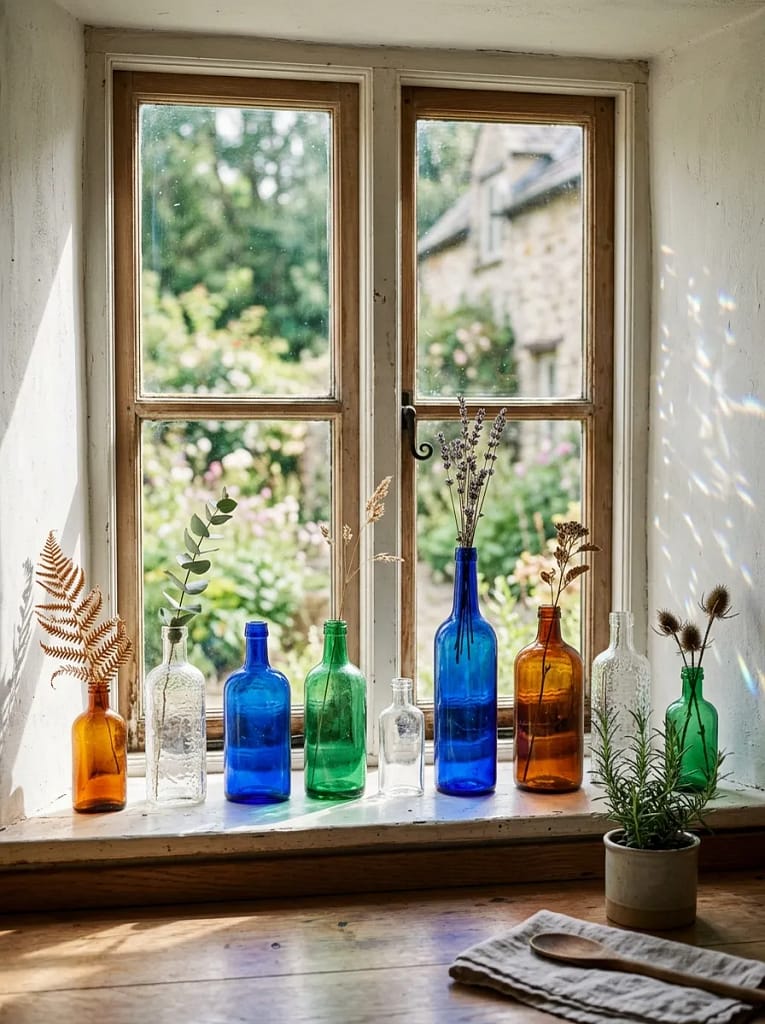
Antique bottles bring vintage elegance into Forest Foraging Decor while highlighting beauty of simple branches and dried stems. Amber, green, blue, and clear glass all reflect light differently and create quiet visual interest without stealing attention from natural materials.
Place single fern, eucalyptus stem, dried grass, pussy willow branch, or small wildflower inside each bottle. Group different bottle heights together on windowsill, floating shelf, mantel, or dining table. Odd numbered group usually appear more balanced than even number.
Small chips and bubbles in old glass add character that perfectly match rustic woodland style. Thrift stores and flea markets often offer affordable vintage bottles with unique shapes.
Avoid filling every bottle with flowers. Empty bottles also contribute texture and allow arrangement breathe. Forest Foraging Decor celebrate simplicity, not excess.
Clean bottles regularly with warm water and bottle brush to keep glass clear. Gentle sunlight passing through colored glass create beautiful effect that change throughout day.
13. Display Acorns in Glass Jars
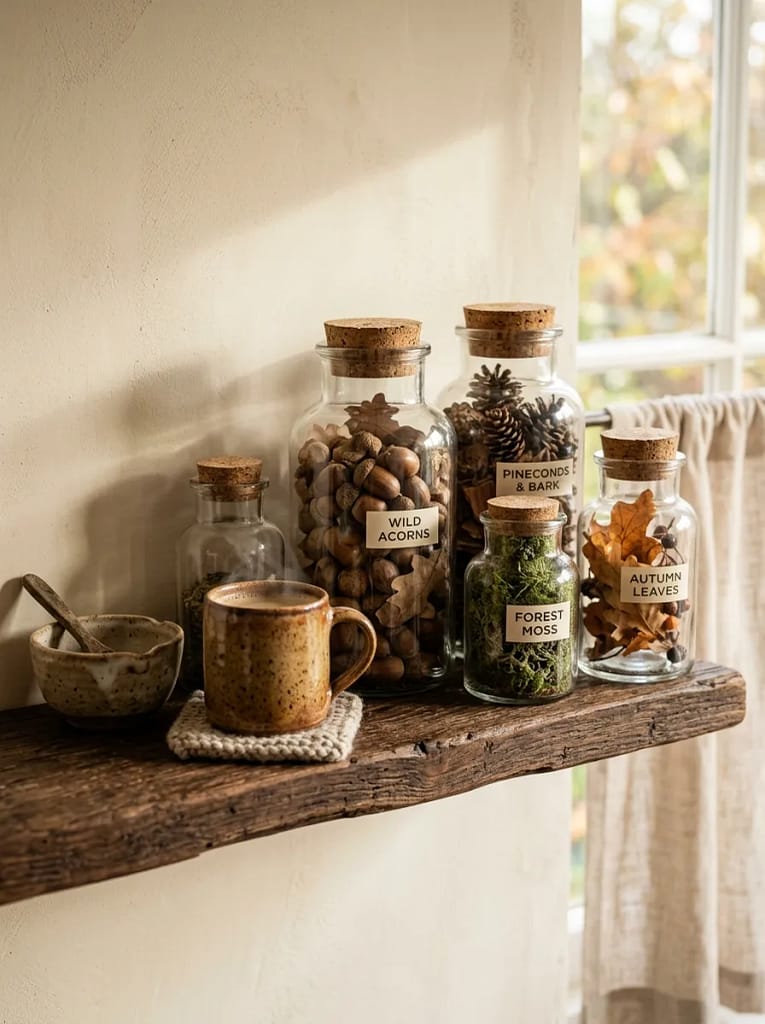
Acorns may seem ordinary outdoors, but inside home they become charming Forest Foraging Decor accent full of seasonal character. Clear glass jars, apothecary containers, or vintage canisters showcase natural texture while keeping collection neat.
Mix acorns with moss, tiny pinecones, bark chips, or dried leaves for layered appearance. Display jars on coffee table, kitchen shelf, fireplace mantel, or entry console. Different jar sizes create more interesting arrangement than identical containers.
Before bringing acorns indoors, clean them thoroughly and allow them dry completely. This reduce chance of insects and moisture problems. Some decorators briefly freeze cleaned acorns before displaying for extra protection.
Forest Foraging Decor often succeed through repetition of natural textures. Acorns echo shapes already found in branches, bark, and pinecones while introducing new detail.
Avoid painted acorns if goal stay authentic. Natural brown shades already provide warmth and blend perfectly with earthy decorating palette.
14. Create Rustic Woodland Wall Art
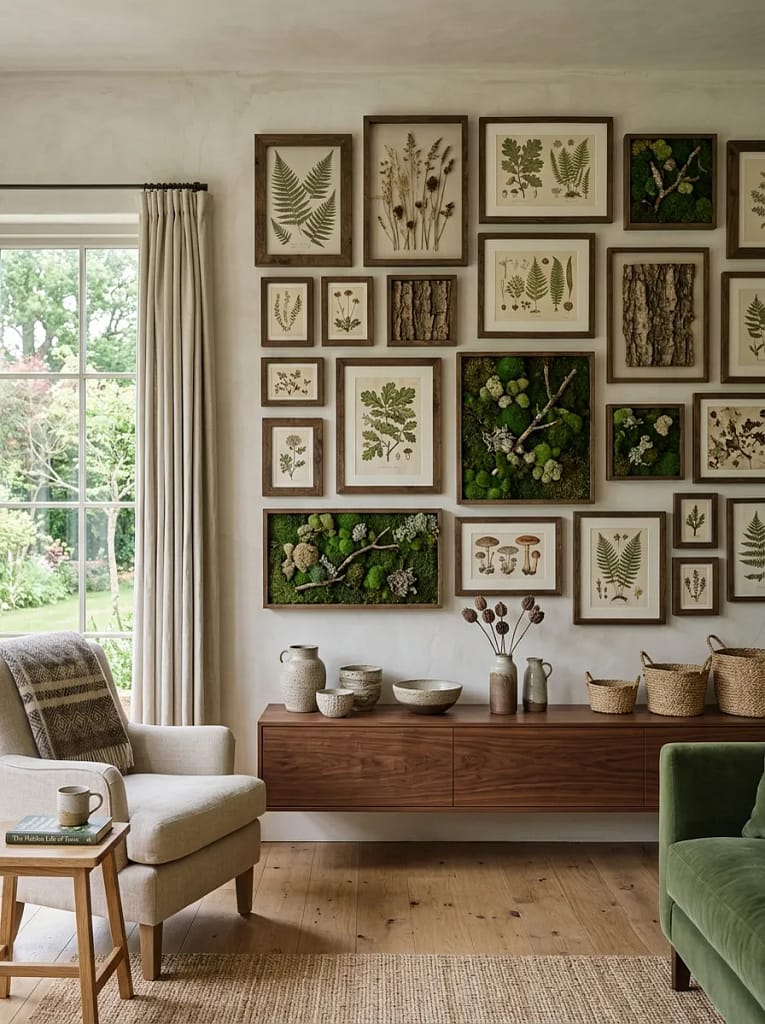
Wall art complete Forest Foraging Decor by bringing woodland beauty above furniture instead of only decorating shelves and tables. Handmade botanical artwork often feel more meaningful than mass produced prints.
Also Read: 21 Harvest Table Centerpiece Ideas Guests Will Love
Frame pressed ferns, leaves, grasses, or wildflowers collected responsibly. Display botanical illustrations, bark panels, wooden slice art, or moss shadow boxes for natural texture. Wooden frames in weathered oak, walnut, or reclaimed wood strengthen rustic atmosphere.
Gallery wall combining different botanical subjects create strong visual impact while keeping color palette calm. Leave enough spacing between frames so every piece stand out.
Forest Foraging Decor wall art suit living rooms, bedrooms, hallways, home offices, and entryways. Pair artwork with woven baskets, linen curtains, and wooden furniture for balanced room.
Avoid glossy modern frames with bright colors because they compete with organic materials. Matte finishes usually blend much better.
Dust frames gently and keep pressed botanical art away from harsh sunlight to preserve natural color longer. Beautiful wall art help entire room feel connected instead of scattered.
15. Style Floating Shelves with Layered Woodland Accents
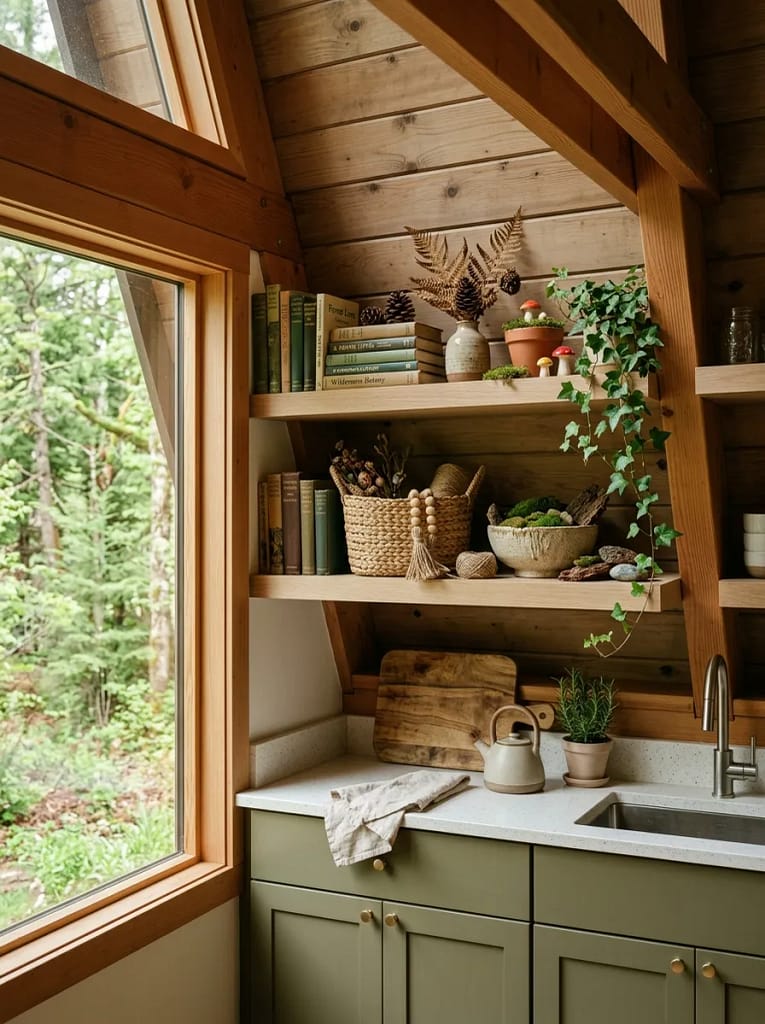
Floating shelves give you perfect place to show favorite woodland treasures without making room feel crowded. Instead of lining everything in straight rows, build display with different heights, textures, and shapes. This approach creates relaxed look that feels collected over time rather than bought in one shopping trip.
Start with larger pieces like stacked vintage books, woven baskets, or ceramic vases. Layer smaller accents in front, including pinecones, preserved moss, dried ferns, wooden beads, bark pieces, and tiny mushroom figurines. A small potted fern or trailing ivy adds fresh greenery and softens harder textures like wood and stone.
Keep color palette simple with earthy greens, warm browns, cream, charcoal, and muted gray. These shades work together naturally and let textures become focus. Leave empty space between groups instead of filling every inch. Open space helps each piece stand out and keeps shelves from looking messy.
Refresh display with each season by swapping few natural elements. Fresh branches suit spring, dried grasses fit summer, colorful leaves welcome autumn, and evergreen clippings bring winter charm. Small changes keep shelves interesting without buying new decor every season.
16. Use Tree Stump Side Tables
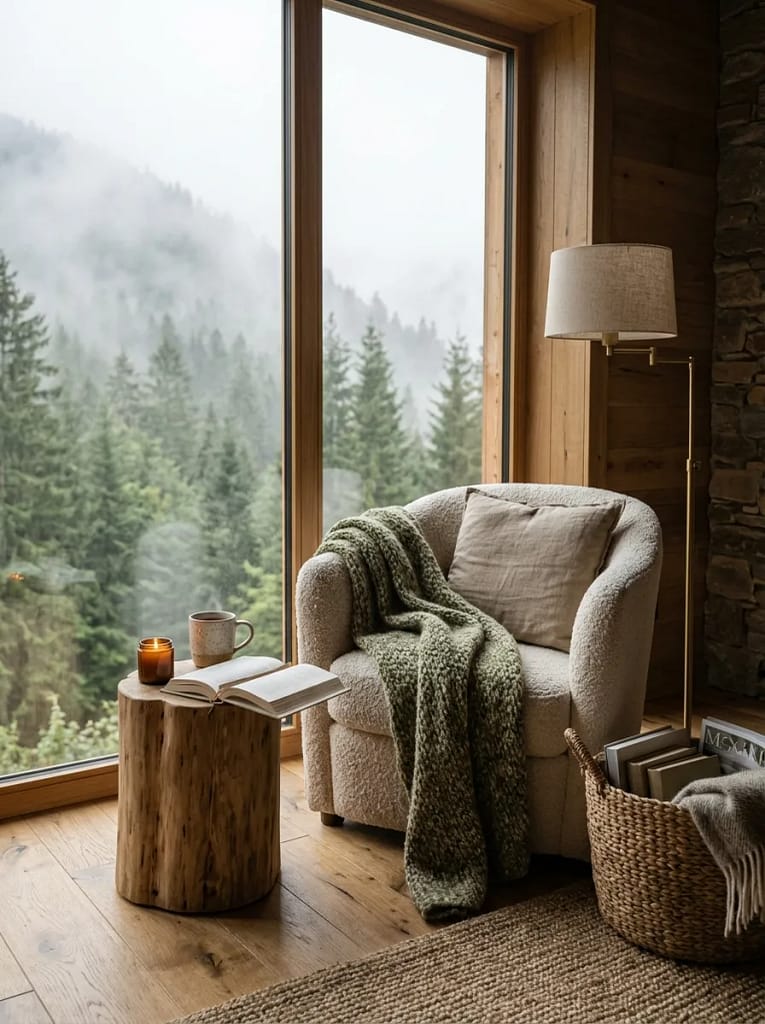
Tree stump furniture adds rustic character while staying practical enough for everyday use. Each piece has unique grain patterns, natural cracks, and organic shape that cannot be copied by factory made furniture. That one of biggest reasons people love woodland inspired homes.
Place sealed stump beside sofa as side table, next to bed as nightstand, or in reading corner for holding books and warm drink. Pair it with linen chair, chunky knit throw, woven basket, and ceramic lamp to create inviting corner that feels calm and relaxing.
Choose stump with smooth top if you plan to place drinks, candles, or decorative objects on it. A sealed finish helps protect wood from stains while keeping natural beauty visible. Small cracks and knots should remain because they add personality.
Avoid surrounding stump with too many rough wooden pieces. Mix textures instead. Soft fabrics, glass, ceramic, and greenery balance heavier wood and keep room from feeling too dark. Simple contrast makes whole space feel brighter and more welcoming.
17. Arrange Feathers and Branches in Tall Vases
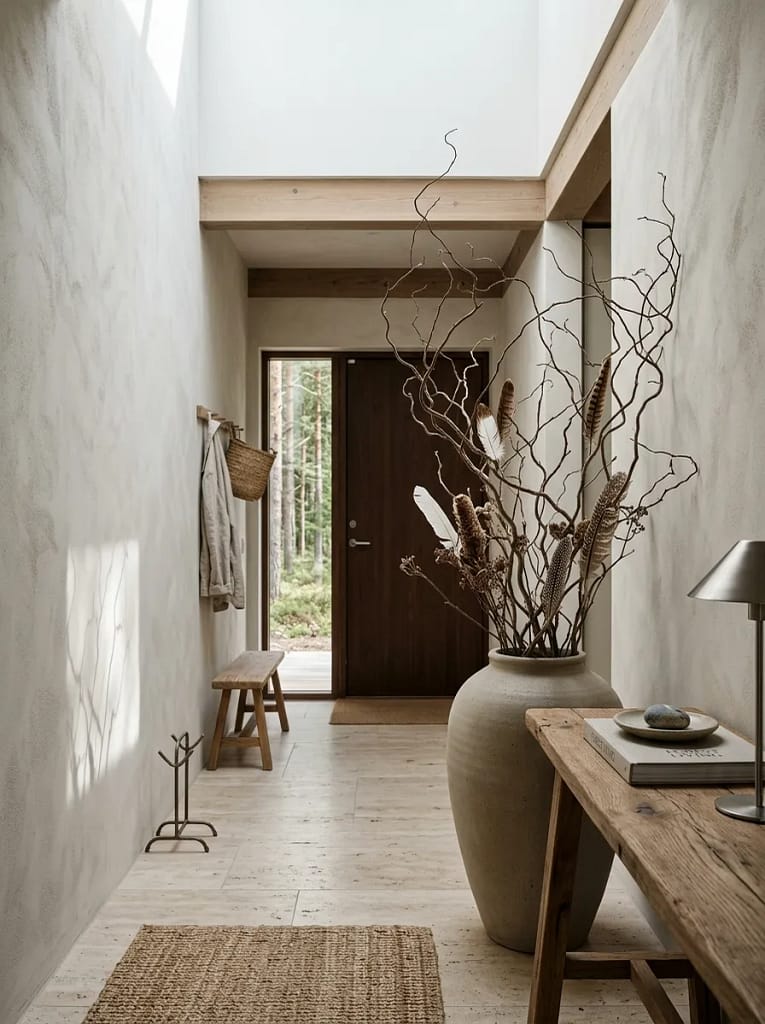
Graceful branches paired with ethically sourced feathers create elegant display inspired by quiet woodland landscapes. Arrangement feels light and airy while adding height to room without taking much floor space.
Choose tall stoneware or glass vase with simple shape. Add twisting branches first to build structure, then tuck few feathers between branches so they appear naturally placed. White, brown, gray, or speckled feathers blend beautifully with earthy color palette and complement pinecones, moss, and reclaimed wood nearby.
Display works well in entryway, living room, bedroom, or dining area where natural light highlight movement and texture. Gentle airflow causes feathers to move slightly, making arrangement feel alive.
Keep design simple. Three or four feathers usually look better than large bouquet. Too many feathers quickly overpower natural branches and reduce elegant woodland feeling. Dust arrangement regularly using soft feather duster to keep everything looking fresh throughout year.
18. Decorate with Lanterns and Warm Candlelight

Lighting changes mood faster than almost any decoration. Lanterns filled with warm candlelight create cozy atmosphere that highlight natural textures like bark, woven baskets, linen, and stone.
Choose lanterns made from black metal, aged brass, reclaimed wood, or iron. Group different sizes together on fireplace hearth, front porch, dining table, or entry console. Warm white candles create gentle glow that feels welcoming during every season, especially autumn and winter.
Battery operated candles make excellent choice for homes with children or pets. They provide same soft appearance without open flame. If using real candles, always place them on stable surface and never leave them unattended.
Also Read: 24 Fall Balcony Decor Ideas for Cozy Autumn Vibes
Pair lanterns with pinecones, moss, evergreen branches, or birch logs for balanced arrangement. Avoid mixing cool blue lighting with earthy decorating style because it removes much of cozy feeling. Warm lighting always complement natural materials better and make room feel more inviting after sunset.
19. Add River Stones and Natural Rock Accents
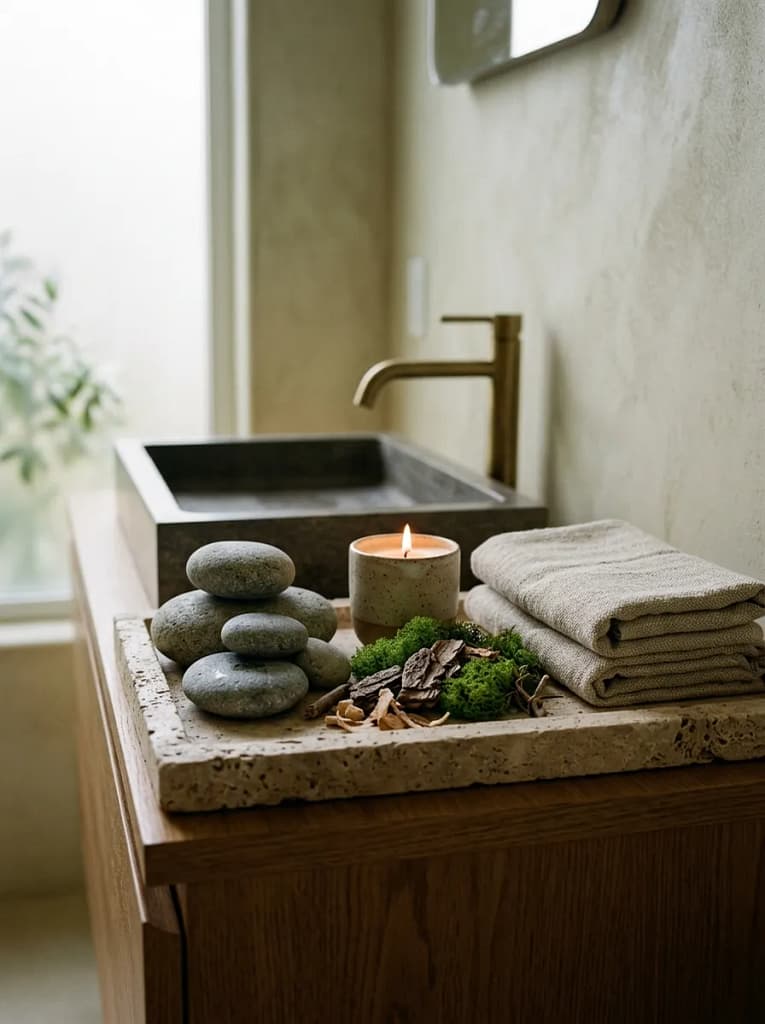
Smooth river stones introduce grounding texture that balance softer materials like moss, dried flowers, and linen. Their natural shapes bring quiet beauty without demanding attention, making them useful for many decorating styles.
Fill shallow bowls with mixed size stones, place them around candles, add them to planters, or display few inside wooden trays with bark and pinecones. Gray, beige, charcoal, and cream stones blend naturally with earthy palette while adding subtle contrast against wood.
Wash stones thoroughly before bringing them indoors and allow them dry completely. Clean stones keep displays looking fresh and prevent dirt from spreading onto furniture.
Do not overcrowd displays with too many rocks. Small groups often look more elegant than large piles. Combining smooth stone with rough bark, preserved moss, and woven baskets creates balanced texture inspired by natural forest floor. Simple details like these make room feel peaceful without trying too hard. Humans spend fortune buying fake rocks while real ones lying outside free. Strange species.
20. Create Cozy Woodland Reading Nook
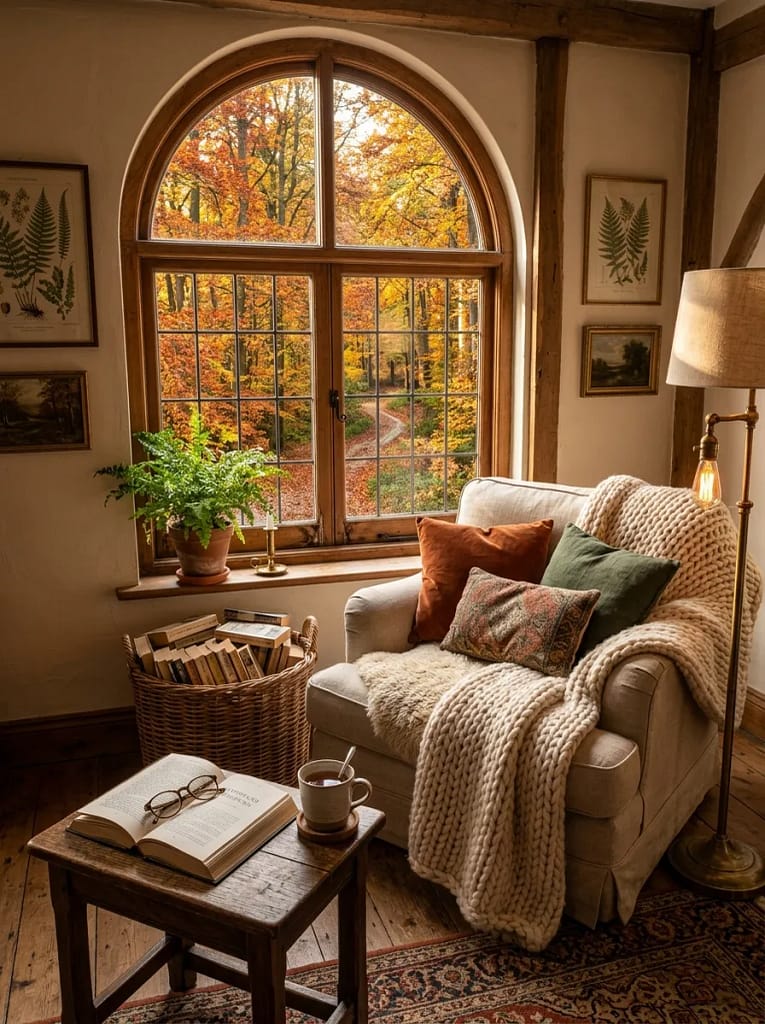
Every home benefit from quiet corner where you can relax with book, cup of tea, or peaceful evening. Woodland reading nook combine comfort with natural materials to create space that feel warm throughout year.
Start with comfortable armchair in linen, cotton, or soft boucle fabric. Add chunky knit blanket, earthy throw pillows, woven basket for books, wooden side table, and warm floor lamp. Place small fern or leafy houseplant nearby to bring fresh greenery into corner.
Natural wood furniture, botanical artwork, and soft area rug complete look without making space feel crowded. Keep colors calm with moss green, oatmeal, warm brown, cream, and muted gray. These shades encourage relaxed atmosphere and pair beautifully with woodland inspired decor.
Avoid filling nook with too many decorative pieces. Reading corner should remain functional first. Leave enough space for books, drink, and comfortable seating. Cozy corner quickly become favorite place inside home because it invite slower moments away from busy routine.
21. Build Seasonal Nature Display
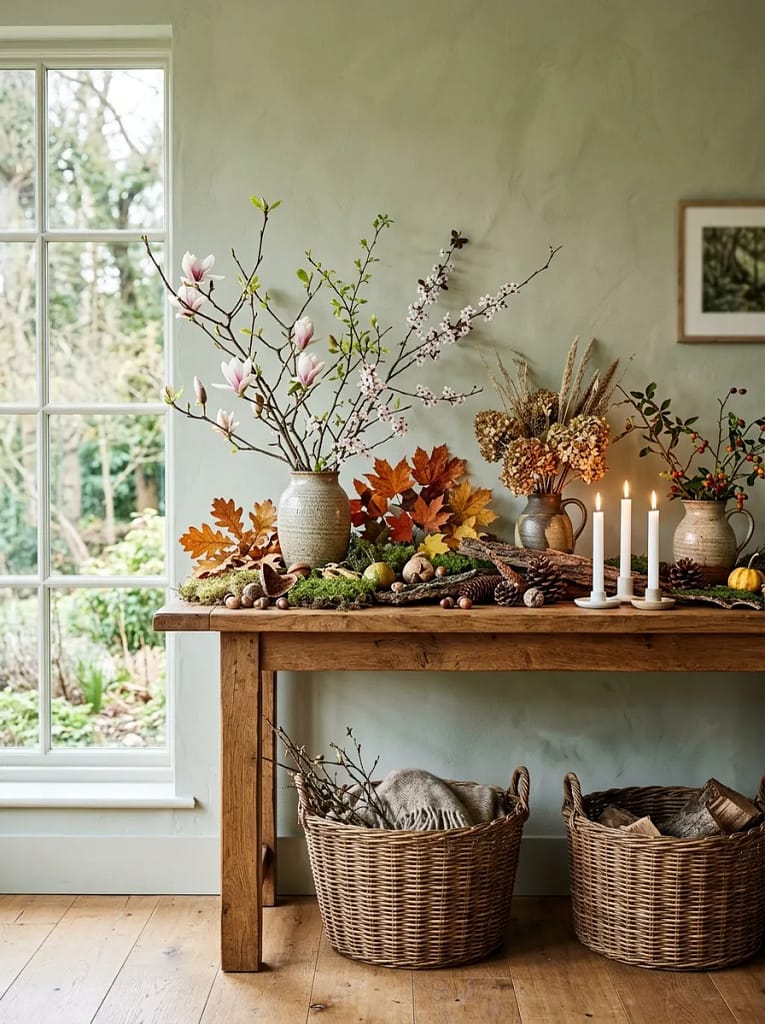
One easiest ways to keep home feeling fresh all year create dedicated space for changing seasonal collections. Choose shelf, console table, wooden tray, or glass cabinet where natural finds rotate throughout year.
Spring might feature flowering branches, fresh moss, and young ferns. Summer bring dried grasses, herbs, and seed heads. Autumn display colorful leaves, acorns, pinecones, and bark. Winter welcome evergreen clippings, birch branches, cedar cones, and simple white candles.
Keeping one display updated with changing seasons add personality without redecorating entire room. Every walk outdoors become chance to discover new textures and shapes that fit naturally into home.
Always collect responsibly. Avoid taking materials from protected parks or removing large amounts from one area. Gather only fallen branches, loose pinecones, or materials where collection allowed. Respecting nature ensure woodland beauty remain available for everyone while giving home authentic seasonal character.
Frequently Asked Questions
1. What is forest foraging decor?
Forest foraging decor is decorating style inspired by natural materials found in woodlands and gardens. Common elements include pinecones, moss, branches, birch bark, dried flowers, acorns, woven baskets, river stones, and reclaimed wood. Goal create warm, cozy home with earthy colors and organic textures instead of relying on mass produced decorations.
2. How do I decorate with foraged items safely?
Always clean and dry natural materials before bringing them indoors. Brush away dirt, remove damaged pieces, and let branches, pinecones, or acorns dry completely. Some people freeze small items like acorns or pinecones for few days before displaying them to reduce chance of insects. Never collect protected plants or remove large amounts from natural habitats.
3. Which colors work best with woodland inspired interiors?
Soft earthy colors create most balanced look. Forest green, moss green, bark brown, warm beige, oatmeal, cream, charcoal gray, muted rust, and soft olive blend naturally together. These shades highlight wood, stone, and woven textures while making room feel calm and welcoming throughout every season.
4. Can I create this look on small budget?
Yes. One biggest advantages of this decorating style comes from affordability. Fallen branches, pinecones, smooth stones, dried grasses, and leaves often become beautiful decorations when displayed thoughtfully. Mix these natural finds with thrifted baskets, vintage bottles, reclaimed wood, and simple ceramic pieces for high end look without spending much money.
5. Which rooms work best for woodland inspired decor?
Living rooms, entryways, dining rooms, bedrooms, and reading nooks all suit woodland inspired decor. Even bathrooms and home offices benefit from small touches like dried botanicals, stone accents, wooden trays, or woven storage baskets. Start with one room, then repeat similar textures throughout home for cohesive appearance.
6. How do I keep natural decorations looking good?
Dust branches, pinecones, baskets, and decorative wood regularly using soft cloth or feather duster. Keep dried flowers away from strong sunlight because colors fade over time. Replace seasonal greenery when needed and check natural materials occasionally for moisture or damage. Simple maintenance help displays stay beautiful for many months.
7. Can woodland decor work in modern homes?
Absolutely. Clean lined furniture pair surprisingly well with natural materials because contrast create balance. Ceramic vases, simple floating shelves, black metal lanterns, linen fabrics, and reclaimed wood fit comfortably into modern interiors without making space feel old fashioned. Keep accessories minimal and let textures become main feature.
8. What should I avoid when decorating with natural materials?
Avoid overcrowding shelves, mixing too many bright colors, using artificial looking decorations, or collecting materials illegally from protected areas. Too many accessories make room feel cluttered instead of peaceful. Focus on quality over quantity. Few thoughtfully arranged natural pieces usually create stronger impression than dozens of random decorations.
Conclusion
Forest inspired decorating prove beautiful home does not require expensive accessories or changing every trend that appear on social media. Pinecones, branches, moss, birch logs, woven baskets, dried flowers, river stones, and reclaimed wood create timeless style that feel warm in every season. Small natural details add character while connecting indoor spaces with beauty found outdoors.
Instead of decorating everything at once, begin with one simple project. Fill woven basket with pinecones, arrange branches in ceramic vase, or build seasonal centerpiece using moss and candles. As seasons change, update display with fresh greenery, colorful leaves, or evergreen clippings. Home evolve naturally without constant shopping.
Most important, decorate with intention. Choose pieces that tell story, create comfort, and reflect love for nature rather than chasing short lived trends. Thoughtful collection of woodland textures, earthy colors, and handcrafted details will always feel inviting because nature never goes out of style. Humans spend years trying to copy forest inside factories. Forest already solved design problem long ago.
Visit sageandshelf for more details.