Wood Shelving Boards: 7 Best Modern DIY Styling Tips
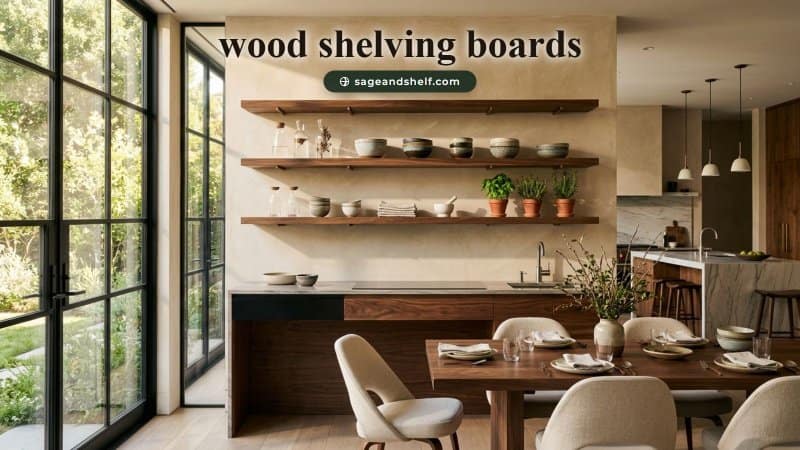
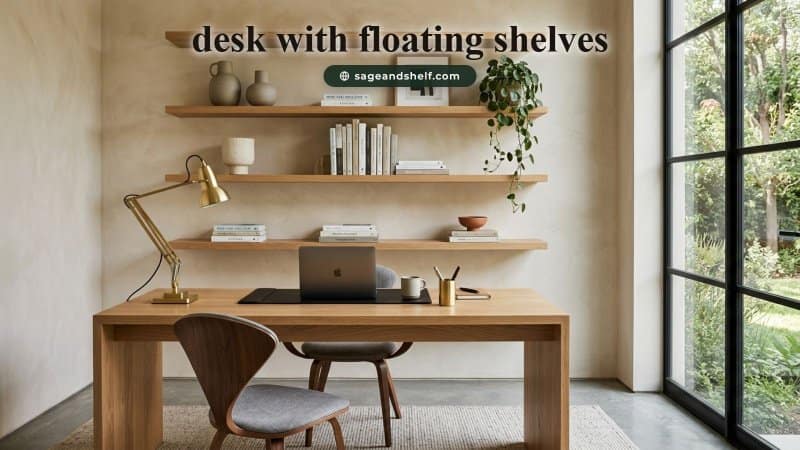
Incorporating natural timber storage solutions transforms barren interior walls into striking architectural focal displays. When researching functional shelving concepts, selecting authentic materials ensures enduring structural stability. Specifically, choosing solid wood shelving boards allows homeowners to showcase cherished decor objects with effortless grace. Furthermore, thoughtful timber displays create warm visual texture while eliminating everyday living room clutter. In addition, handcrafted shelving enhances residential ambiance.
Over years of styling residential spaces, floating timber shelves remain an unmatched interior design staple. Rather than settling for flimsy composite laminates, investing in authentic lumber guarantees enduring beauty and strength. Therefore, selecting quality wood shelving boards empowers property owners to customize storage arrangements with complete confidence. With proper wood selection and mounting techniques, your display becomes an artistic masterpiece. Consequently, your home gains functional luxury.
The Core Foundations of Solid Lumber Selection.
Every remarkable open shelving installation begins with choosing the right hardwood lumber species. In fact, different tree species exhibit distinct grain patterns, density ratings, and natural color variations. Instead of purchasing generic boards, evaluate your surrounding furniture finishes carefully.
Furthermore, understanding moisture resistance prevents unsealed shelves from warping. Specifically, kiln-dried hardwoods offer superior dimensional stability for open living room displays. In addition, pairing warm timber tones with neutral walls highlights organic wood grain textures softly. Consequently, quality wood shelving boards elevate room warmth naturally.
| Hardwood Species. | Janka Hardness Rating. | Natural Grain Aesthetic. | Est. Cost Per Board Foot. |
|---|---|---|---|
| White Oak. | 1,360 lbf. | Tight linear cathedral grain. | $9.50 – $14.00. |
| Black Walnut. | 1,010 lbf. | Rich dark chocolate swirls. | $12.50 – $18.00. |
| Hard Maple. | 1,450 lbf. | Clean blonde subtle texture. | $8.00 – $12.50. |
| Rustic Douglas Fir. | 660 lbf. | Prominent knots & warm tone. | $4.50 – $7.50. |
Also Read: House Renovation Guide Sage and Shelf: 7 Best Remodeling Tips
Tip 1: Anchor Heavy Brackets Directly into Wall Studs.
Underestimating total display weight often causes wall anchors to pull free from drywall surfaces. In contrast, experienced carpenters always anchor internal steel mounting rods directly into wall studs. As a result, floating shelves support substantial ceramic collections securely.
Specifically, use a magnetic stud finder to locate wall framing members before drilling. Furthermore, choose steel bracket rods rated for fifty pounds per connection. In addition, maintaining level alignment ensures a polished gallery appearance. Therefore, properly anchored wood shelving boards guarantee long-term safety.
Tip 2: Select Ideal Board Thickness and Depth Proportions.
Choosing incorrect board dimensions can leave wall displays looking either awkwardly flimsy or aggressively bulky. However, adhering to standard architectural proportions creates balanced visual harmony across any living space. Standard display shelves typically require a depth of ten to twelve inches.
For instance, select two-inch thick solid lumber for primary living room walls. Furthermore, maintain twelve to fifteen inches of vertical clearance between shelf tiers. In addition, keeping shelf lengths proportional to furniture below anchors seating areas effectively. Consequently, correctly dimensioned wood shelving boards achieve timeless sophistication.
Tip 3: Apply Durable Matte Hardwax Oils and Protective Finishes.
Raw untreated lumber absorbs ambient moisture, airborne oils, and accidental beverage stains quite easily. In contrast, applying high-performance plant-based hardwax oils protects timber while preserving natural tactile texture. This modern finishing technique avoids artificial plastic sheens.
| Finish Type. | Sheen Level. | Water Protection. | Maintenance Routine. |
|---|---|---|---|
| Natural Hardwax Oil. | Ultra Matte. | High water repellency. | Reapply every 2 years. |
| Water-Based Poly. | Satin Sheen. | Maximum scratch barrier. | Light buffing as needed. |
| Danish Tung Oil. | Low Luster. | Moderate protection. | Annual hand wipe. |
| Raw Organic Beeswax. | Velvet Sheen. | Light surface shield. | Bi-annual conditioning. |
Specifically, sand boards progressively up to two-hundred-twenty grit paper before applying finishing oils. Furthermore, allow protective coats to cure fully before placing ceramics on shelves. In addition, wiping surfaces with microfiber cloths maintains pristine finish clarity. Ultimately, properly treated wood shelving boards resist daily wear effortlessly.
Tip 4: Style Balanced Groupings with the Rule of Threes.
Cluttering open shelving with dozens of small trinkets creates chaotic visual noise across the room. Relying on oversized items exclusively can overwhelm delicate wall proportions. In contrast, professional interior stylists arrange artisanal pottery and art books in harmonious odd-numbered clusters.
Specifically, pair a tall ceramic urn with a short bowl and sketch. Furthermore, leave negative breathing space around groupings to let artisanal pieces shine. In addition, stacking books horizontally creates elevated pedestals for sculptural accents. Therefore, this styling method makes wood shelving boards look curated.
Tip 5: Incorporate Trailing Greenery and Botanical Sprigs.
Integrating live houseplants introduces vibrant life, organic movement, and refreshing color to open shelving. Instead of using artificial plastic foliage, select resilient indoor plants that thrive in indirect daylight. In particular, cascading pothos and heartleaf philodendron create graceful botanical drapes.
For instance, plant trailing vines inside handcrafted stoneware pots with built-in saucer drainage. Furthermore, place taller botanical sprigs on uppermost shelf tiers to draw eyes upward. In addition, misting plant leaves periodically keeps foliage glossy. Consequently, adding lush botanicals to wood shelving boards enlivens residential spaces.
Tip 6: Install Concealed Undershelf LED Channel Lighting.
Dimly lit shelving displays often fade into shadows once natural evening sunlight recedes. In contrast, installing concealed warm LED strip lighting highlights fine wood grains and ceramics beautifully. Subtle indirect illumination transforms standard shelving into dramatic evening architecture.
Specifically, rout shallow channels underneath boards to house slim aluminum LED diffusers flush. Furthermore, select warm white LEDs calibrated to twenty-seven hundred Kelvin for cozy illumination. In addition, smart dimmers allow homeowners to adjust ambient brightness effortlessly. Ultimately, illuminated wood shelving boards create captivating focal points.
Common Open Shelving Mistakes to Avoid Proactively.
Even passionate decorators can make avoidable errors when constructing and styling open wall shelves. For instance, using unseasoned construction lumber causes severe twisting, bowing, and splitting. Specifically, always verify moisture content remains below ten percent before mounting wood shelving boards.
Another frequent error is overloading unsupported shelf spans beyond recommended weight limits. In contrast, placing heavy book stacks directly above wall stud brackets prevents shelf sagging. By avoiding these common errors, your wood shelving boards remain straight and secure.
Long-Term Value and Handcrafted Architectural Appeal.
Investing in solid hardwood wall storage enriches daily living spaces while adding enduring architectural value. In fact, natural wood develops a richer patina and deeper character across decades of use. For instance, custom timber shelves complement modern minimalists and rustic interiors alike.
Afterward, refreshing your shelf decor seasonally provides an easy creative outlet for self-expression. Consequently, investing in handcrafted wood shelving boards delivers timeless aesthetic satisfaction and lasting residential elegance.
Frequently Asked Questions About Wood Shelving.
Q1: What is the best wood species for floating wall shelves?
White oak and black walnut represent the best hardwood choices due to density, grain beauty, and strength.
Q2: How much weight can a solid wood floating shelf hold?
When anchored directly into wall studs with heavy-duty steel brackets, shelves hold forty to sixty pounds per stud.
Q3: How do I prevent wood shelves from warping over time?
Using kiln-dried hardwood and sealing both top and bottom faces with protective oils prevents warping completely.
Conclusion: Crafting Your Custom Wall Display.
In summary, elevating your home interior with open timber shelving combines functional utility with artistic beauty. By choosing premium hardwood species, securing robust brackets, and curating balanced decor, you achieve perfection. Embrace these proven woodworking principles, install durable wood shelving boards, and transform blank walls into captivating masterpieces.
Visit sageandshelf for more details.