Garden Homenumental: Amazing Garden Ideas Guide 2026

A garden homenumental rarely becomes beautiful by accident, it becomes beautiful through small, consistent decisions made over time. Anyone who has watched a neglected patch of soil slowly turn into a space people actually want to sit in knows that good gardens are built, not simply grown, one season and one small correction at a time.
At Garden Homenumental, we have spent years working through gardens of every size, from cramped balconies to full backyard overhauls, testing what actually survives real conditions versus what only looks good on planting day. We have watched carefully chosen plants fail from poor drainage, and modest, unglamorous choices thrive for years simply because they suited the space they were given. This guide brings that hands-on experience into one place, covering exactly how to design, plant, and maintain a garden that works for your space and your lifestyle.
Garden Homenumental: Table of Contents
Why Garden Planning Matters More Than Planting, Understanding Your Space Before You Begin, Choosing Plants That Actually Suit Your Climate, Designing Layout and Flow, Budget-Friendly Garden Ideas, Small Space and Balcony Gardens, Seasonal Garden Care, Common Garden Mistakes to Avoid, Final Thoughts
Why Garden Planning Matters More Than Planting
Most struggling gardens are never really a plant problem, they are a planning problem. Choosing beautiful flowers without considering sunlight, soil, or spacing almost always leads to disappointment within a single season.
A well-planned garden considers light, since even the healthiest plant fails in the wrong exposure. It considers soil, since drainage and nutrient content quietly decide whether roots thrive or rot. It considers space, since overcrowded plants compete for resources and rarely reach their potential. And it considers maintenance, since a garden demanding more time than you actually have will eventually fall into neglect.
Planting should always follow planning, never replace it.
Understanding Your Space Before You Begin
Before buying a single plant, spend real time observing your space. Track how sunlight moves across the garden throughout the day, since areas bright in the morning can fall into deep shade by afternoon.
Check your soil too. A simple drainage test, digging a small hole and watching how quickly water disappears, reveals more about what will thrive than any general planting guide. Clay, sandy, and loamy soils each demand different plant choices and different care routines.
Note existing features as well, mature trees, slopes, walls, and fences all shape what is realistic to plant and where. Working with these conditions is almost always easier than fighting them.
Choosing Plants That Actually Suit Your Climate
The biggest gardening mistake is choosing plants because they look appealing in a photo rather than because they suit your actual climate. A plant thriving in a cool, damp region will often struggle badly in a hot, dry one, regardless of how carefully it is cared for, no amount of attention fully compensates for the wrong conditions.
Research your local climate zone first, then narrow choices by color and style. Native and regionally adapted plants typically need far less water, fertilizer, and pest management than trend-driven imports, making them easier to maintain and better for local ecosystems over the long run.
Mixing plant types by bloom season keeps a garden interesting year-round, rather than full for a few weeks and bare the rest of the year.
Designing Layout and Flow
A garden should feel intentional to walk through, not just appealing from one viewpoint. Group plants by height, taller varieties toward the back and shorter ones toward the edges, so every plant stays visible.
Create clear pathways, even simple ones from mulch or stepping stones, since defined paths guide movement naturally and prevent trampling. Repetition matters too, repeating a color or plant type at intervals builds visual rhythm instead of a scattered feel.
Leave breathing room between plantings as they mature. A garden looking perfectly full on planting day often becomes overcrowded within a year if spacing ignored mature size.
Budget-Friendly Garden Ideas
A stunning garden does not require a large budget. Growing plants from seed rather than buying mature specimens costs a fraction of the price and often produces stronger, better-adapted plants.
Propagating from cuttings, your own or a neighbor’s, is another nearly free way to fill out a garden. Mulching with affordable, local materials reduces watering needs and suppresses weeds, saving money and effort.
Repurposing containers, old crates, buckets, or worn furniture, as planters adds character while keeping costs low. Garden beds built from reclaimed wood or brick are often far cheaper than pre-made kits, without sacrificing durability.
Small Space and Balcony Gardens
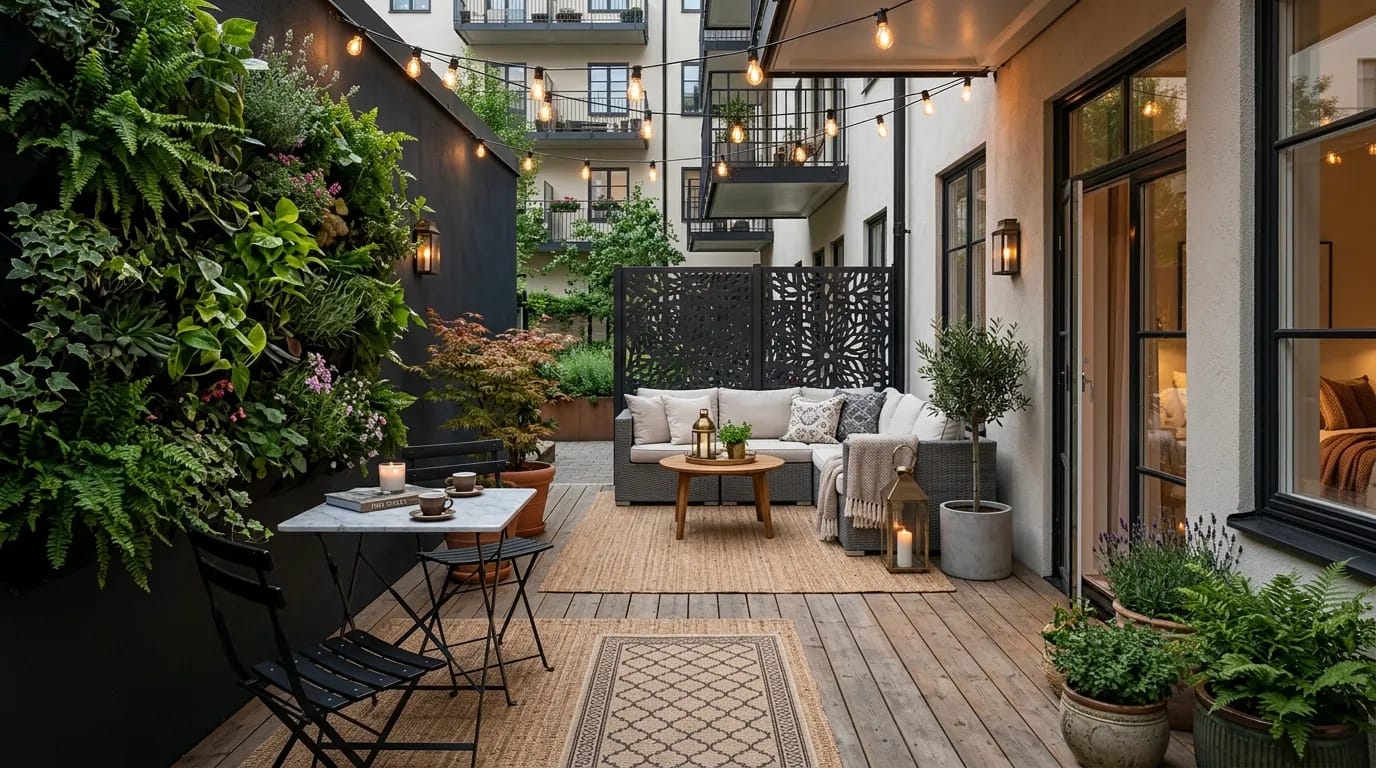
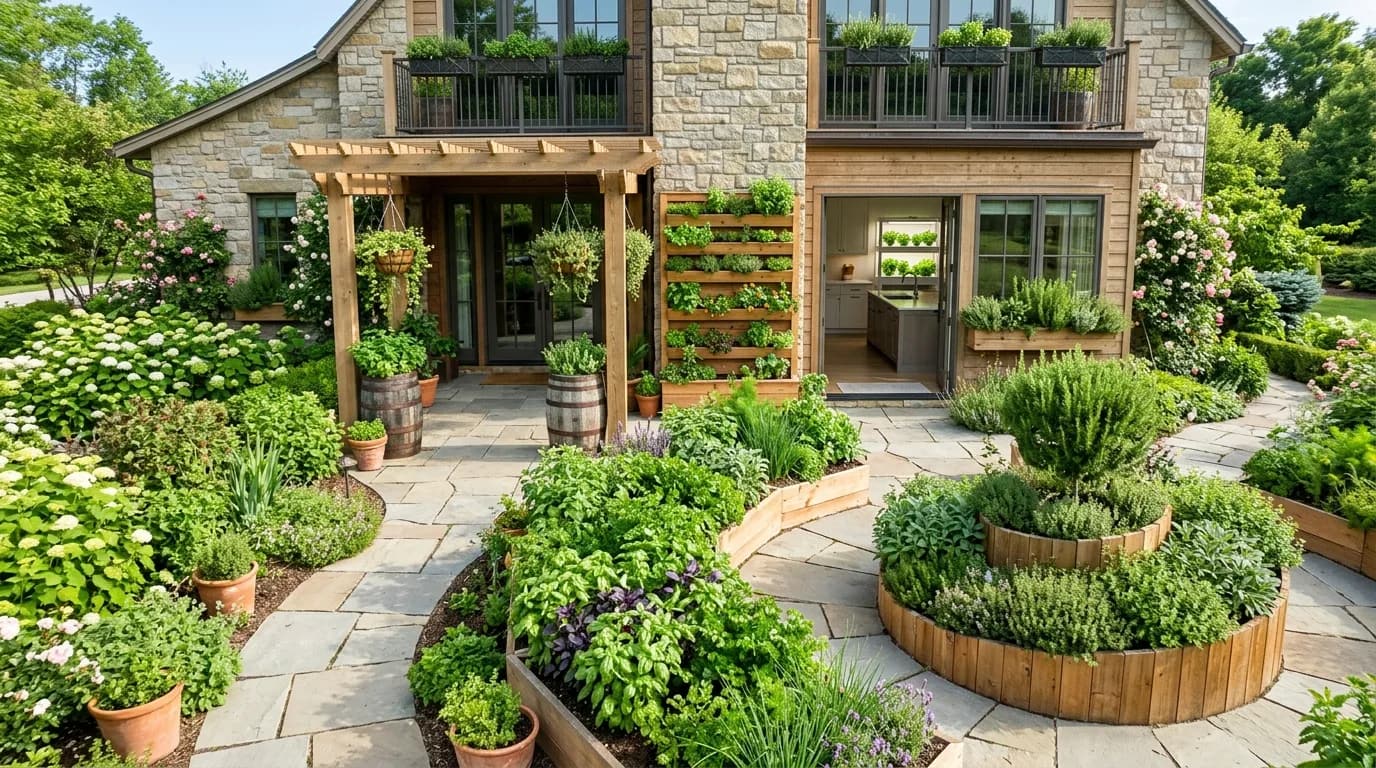
Limited space does not mean limited possibility. Vertical growing, using wall-mounted planters, trellises, or tiered shelving, dramatically increases planting capacity without expanding the footprint.
Choose compact or dwarf varieties bred specifically for containers, since standard varieties often outgrow small spaces quickly. Lightweight containers matter too, especially on balconies, where weight limits are often stricter than expected.
Grouping containers together rather than scattering them creates a more intentional look, and it also helps plants retain humidity better than isolated pots spread far apart.
Seasonal Garden Care
A garden needs different attention throughout the year. In spring, focus on soil preparation, planting, and early pest monitoring, since problems caught early are far easier to manage than established infestations.
Summer demands consistent watering, mulching, and regular deadheading to encourage continued blooming. Fall is ideal for dividing overcrowded perennials, planting spring bulbs, and clearing spent annuals before winter.
Winter, even in colder climates, still requires attention, protecting vulnerable plants, maintaining tools, and planning next season’s layout while growth has slowed.
Common Garden Mistakes to Avoid
Overwatering is far more common, and often more damaging, than underwatering, since most plants tolerate dry spells better than consistently soggy roots.
Ignoring mature plant size at planting time frequently leads to overcrowding and stunted growth within a year or two. Skipping soil preparation is another frequent error, since even the best plant selection struggles in poor, uncorrected soil.
Choosing plants purely by appearance, without checking climate suitability, sets a garden up to struggle from the first season. Neglecting regular maintenance, even simple weeding and deadheading, allows small problems to compound into larger ones over time.
Garden Homenumental.
Final Thoughts
A thriving garden is never really about luck or a particularly green thumb, it is about understanding your space, choosing the right plants, and maintaining consistent, realistic care over time. Start with observation and planning, then let plant choices and design follow naturally from what you learn about your own soil, light, and climate.
With the practical, tested guidance in this article from Garden Homenumental, you can build a garden that grows more beautiful with time instead of struggling against conditions it was never suited for in the first place. Small, informed decisions made early almost always outperform expensive corrections made later.
About Garden Homenumental: We share hands-on, tested outdoor and garden guidance drawn from real, practical experience across homes and climates, no filler, just what actually works.
Visit sageandshelf for more details.