Interior Decoration Tips Mintpaldecor: Stunning Ideas 2026
Interior Decoration Tips Mintpaldecor A beautiful home is not created by filling every corner with expensive furniture or copying a popular design trend. Great interior decoration comes from understanding your space, choosing elements that work together, and creating an environment that feels comfortable, practical, and personal. If you are searching for interior decoration tips mintpaldecor, the most useful approach is to focus on smart planning, balanced design, and details that make everyday living better.
Whether you are refreshing one room or redesigning your entire home, the right decisions can make a remarkable difference. You can create an elegant interior on almost any budget when you know what to prioritize.
Interior Decoration Tips Mintpaldecor for a Clear Vision
Before purchasing anything, decide how you want the room to look and feel. Think about its purpose, the people who use it, the amount of natural light available, and the activities that happen there. A living room may need an open and welcoming arrangement, while a bedroom should feel peaceful and private.
Choose a Balanced Color Palette
Color establishes the mood of an interior before people notice most other details. Start with a dependable base such as white, cream, beige, gray, taupe, or another neutral shade. Then introduce one or two supporting colors through furniture, textiles, artwork, or accessories.
You do not need a complicated color scheme to make a room interesting. In fact, a controlled palette often looks more sophisticated. If you want a stronger visual effect, use a deeper accent color on one wall or through selected decorative pieces rather than spreading intense colors everywhere.
Understand Scale and Proportion
Furniture should fit the room, not simply look attractive in a showroom. Measure the available floor area, doorways, windows, and walking paths before buying large pieces. A huge sofa can make a small living room feel cramped, while undersized furniture can make a spacious room appear unfinished.
Make Natural Light a Design Feature
The way daylight enters a room can completely change its overall feel and appearance. Keep windows as clear as possible and choose curtains that provide privacy without unnecessarily blocking daylight. Position mirrors where they can reflect light into darker areas and make the room feel more open.
Create a Strong Focal Point
A successful room usually has something that immediately attracts attention. This could be an impressive artwork, fireplace, accent wall, statement sofa, large mirror, architectural feature, or beautiful window view.
Once you select the focal point, arrange nearby furniture and accessories to support it. Avoid giving every object equal visual importance. A clear hierarchy makes the room easier to understand and gives it a polished appearance.
Layer Textures for Depth
Texture prevents an interior from looking flat. Combine smooth, soft, rough, natural, and reflective surfaces to create depth. A wooden table can work beautifully with a woven rug, soft cushions, linen curtains, ceramic accessories, and a metal lamp.
You do not need dozens of textures. A few contrasting materials can create enough visual interest while keeping the room sophisticated. Texture is particularly valuable in neutral interiors because it adds character without requiring many colors.
Choose Lighting With Purpose
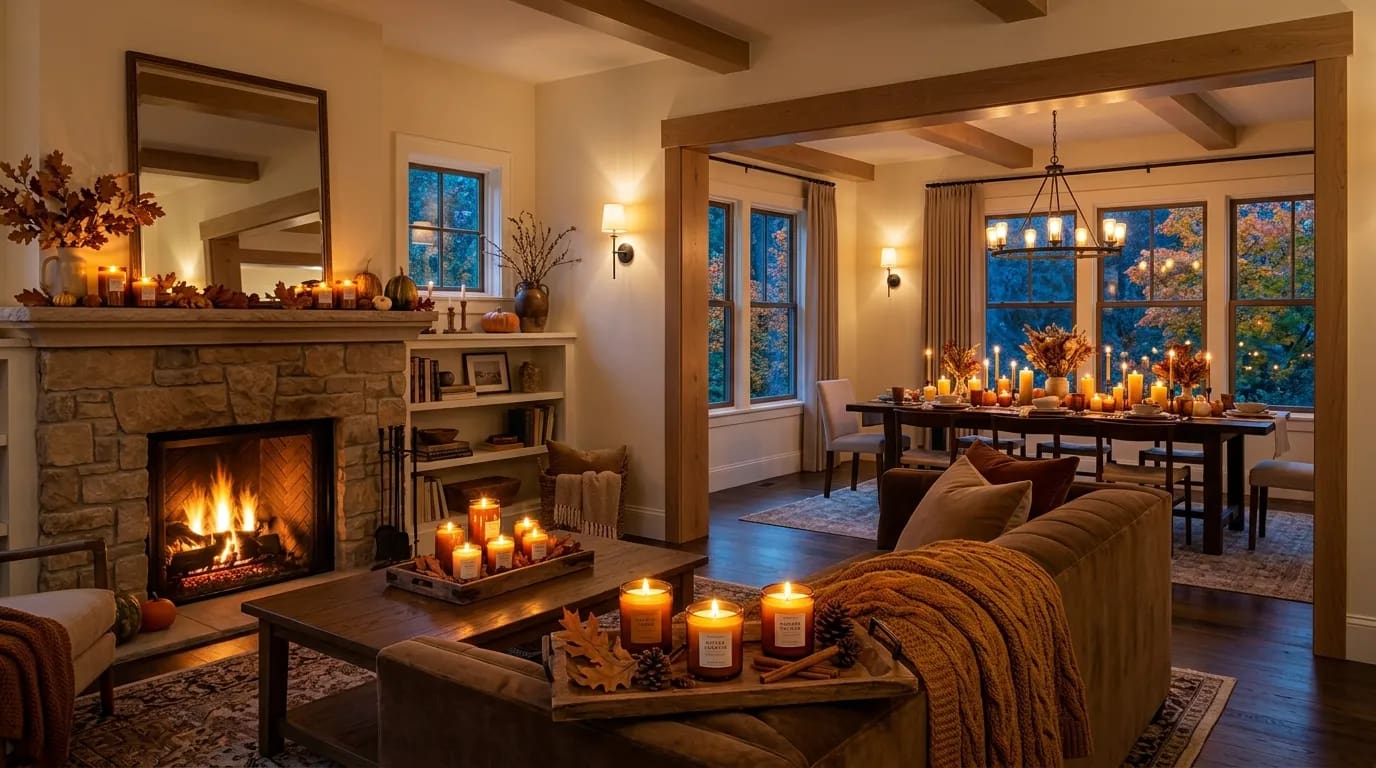
The right lighting can dramatically influence how your furniture, colors, and overall interior appear. One ceiling fixture rarely provides the right atmosphere for every activity. Instead, combine ambient lighting for general illumination, task lighting for focused activities, and accent lighting for decorative features.
Use floor lamps, table lamps, pendant lights, wall fixtures, or under-cabinet lighting where appropriate. Softer lighting can make living rooms and bedrooms feel relaxing, while brighter task lighting is useful for kitchens, offices, and study areas.
Use Furniture to Improve Function
Decoration should never sacrifice usability. Arrange furniture so people can move comfortably through the room, open doors easily, and reach frequently used items without obstacles.
Small homes benefit greatly from furniture designed to perform several useful roles without taking up unnecessary space. Storage benches, nesting tables, ottomans, beds with drawers, and shelving can provide practical benefits while supporting the overall design. Every major piece should have a reason for being there.
Control Clutter
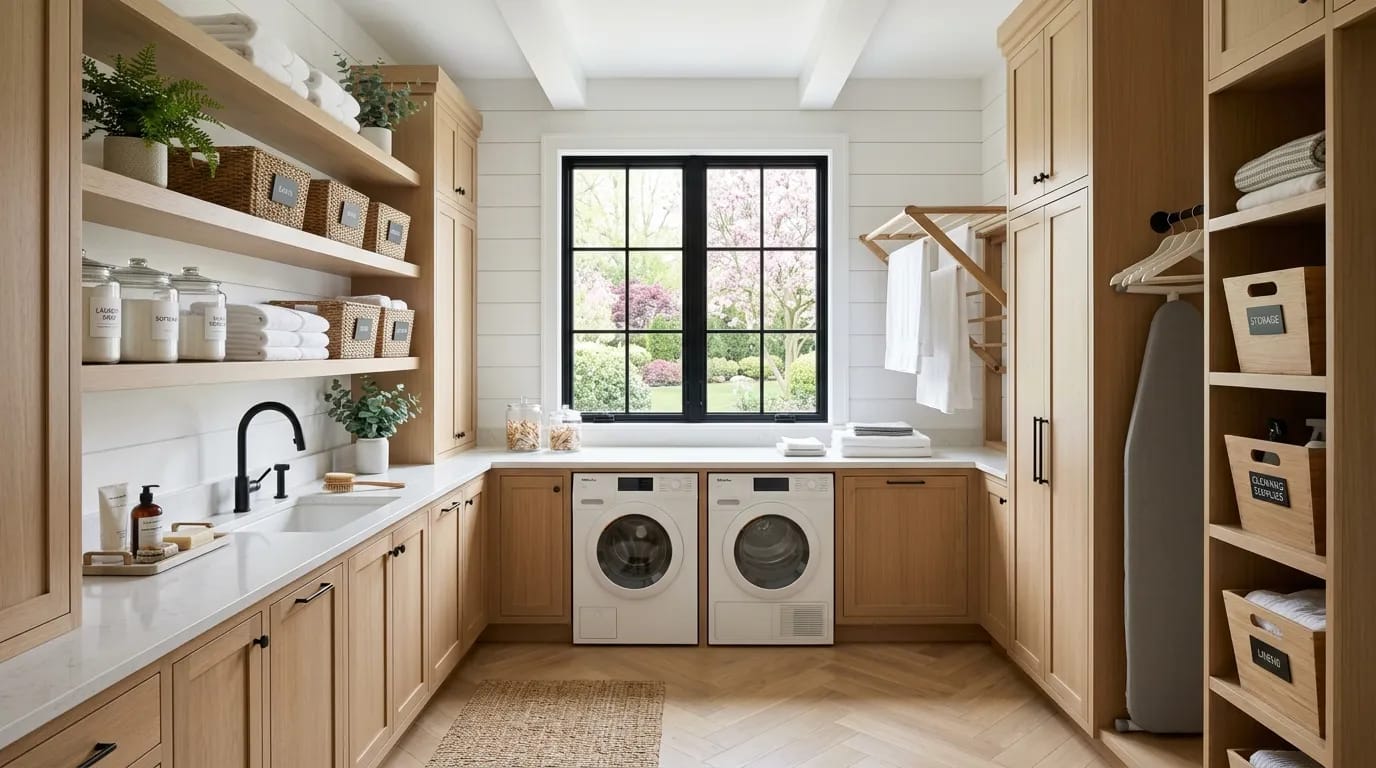
One of the fastest ways to make a beautiful interior look unorganized is to allow clutter to accumulate. Instead of constantly hiding objects, create designated storage for items used every day.
Baskets, cabinets, drawers, floating shelves, and decorative boxes can keep necessities organized. Leave some surfaces and wall areas intentionally empty. Negative space gives the eye a place to rest and allows important decorative elements to stand out.
Add Plants and Natural Elements
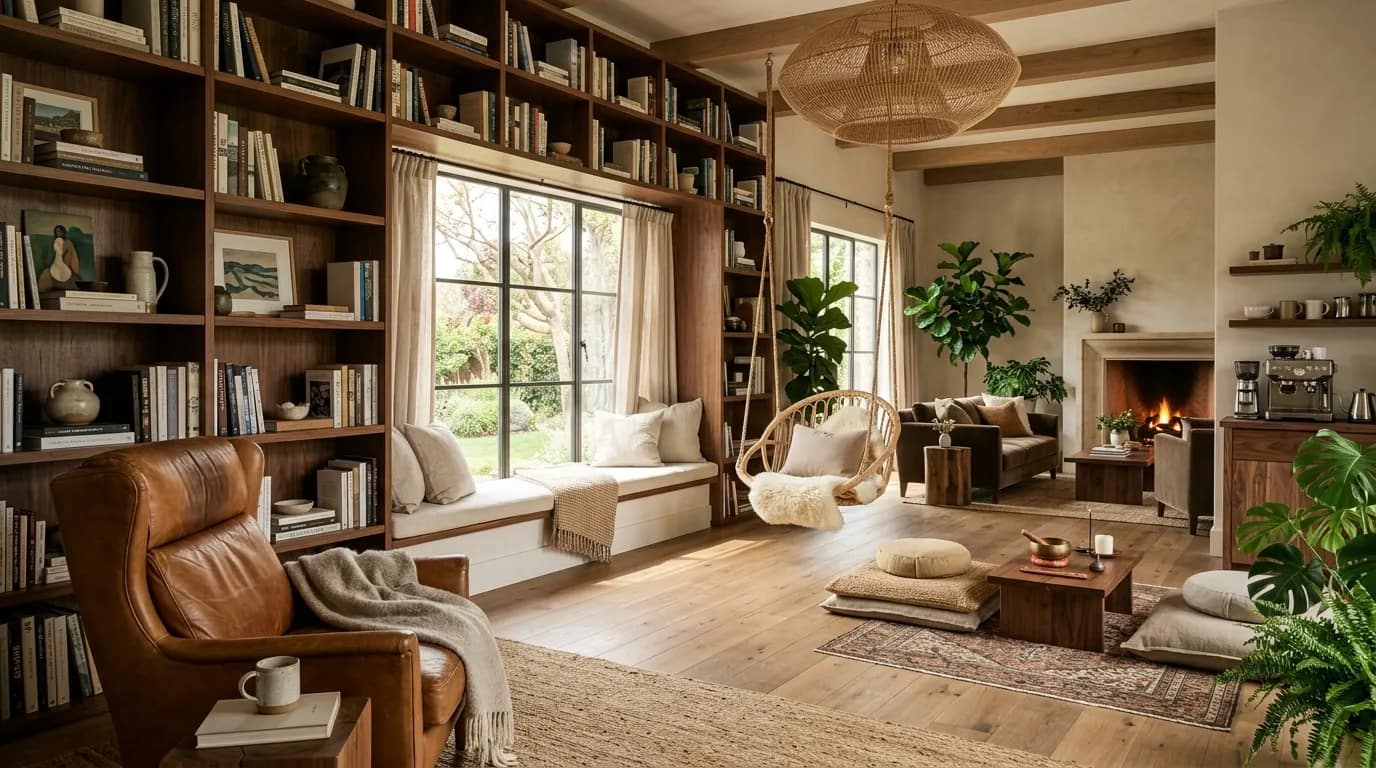
Plants can bring freshness, color, and softness into an interior. Place greenery in empty corners, on shelves, near windows, or beside furniture where it complements the layout.
Natural wood, stone, woven materials, and other organic textures can also introduce warmth and make a room feel more connected to nature.
Use Mirrors Strategically
Mirrors are useful decorative tools, especially when a room feels small or dark. A well-positioned mirror can reflect daylight, create depth, and make an area appear more spacious.
Consider the reflection before hanging one. Reflecting a window, attractive artwork, or a tidy part of the room can enhance the design. Reflecting clutter can make the space feel busier, so placement matters.
Personalize Your Walls
A stylish home should still feel like your home. Use photographs, paintings, prints, handmade pieces, travel memories, or other meaningful decorations to introduce personality.
When arranging several pieces, maintain consistent spacing and consider connecting them through similar colors, frames, or themes. At the same time, do not feel obligated to cover every empty wall. Carefully chosen negative space can make artwork more noticeable.
Decorate for Your Lifestyle
The best interior is one that works for real life. If you have children, pets, frequent guests, or a home-based work routine, your choices should reflect those needs.
Durable fabrics may be more practical than delicate materials. A family room may require generous storage, while a home office needs comfortable seating and dependable lighting. Design should support your routines rather than forcing you to change them.
Refresh Your Home on a Budget
A stylish transformation does not always require a major investment. Before buying new furniture, experiment with rearranging what you already own. Moving a sofa, changing artwork, updating cushion covers, or introducing plants can produce a surprisingly noticeable result.
Other affordable improvements include repainting an accent wall, replacing cabinet handles, updating curtains, adding a rug, changing light fixtures, and organizing open shelves. Spend more on pieces that receive heavy daily use and less on temporary decorative trends.
Avoid Common Decorating Mistakes
Several mistakes can weaken an otherwise good design. Buying furniture before measuring the room can create frustrating space problems. Using too many colors or patterns can make the interior feel chaotic. Poor lighting can make beautiful finishes look dull, while excessive accessories can create visual clutter.
Another common mistake is following trends too literally. Trends are useful for inspiration, but timeless foundations usually provide better long-term value. Use fashionable colors and accessories in small doses while keeping major investments versatile.
Make Small Rooms Feel Larger
Small rooms benefit from simplicity and careful organization. Choose furniture that fits the available area, maintain clear walking paths, and use vertical storage whenever possible. Light colors can make boundaries feel less heavy, while mirrors and reflective surfaces can increase the sense of depth.
Do not automatically push every piece against a wall. Depending on the layout, creating a small amount of breathing room around furniture can make the arrangement feel more deliberate.
Design Each Room as Part of One Home
Different rooms can have different personalities, but the entire home should still feel connected. Repeat selected colors, materials, wood tones, or design details from one space to another.
For example, a neutral foundation combined with natural wood and a consistent accent color can create continuity without making every room identical. This approach makes the home feel thoughtfully designed rather than decorated one room at a time.
Final Thoughts
The strongest interior decoration is a balance between beauty, comfort, functionality, and personality. You do not need an unlimited budget or a massive renovation to create an impressive home. Start with a clear plan, understand your room’s proportions, control the color palette, improve lighting, add texture, organize clutter, and choose details that genuinely reflect your lifestyle.
These interior decoration tips mintpaldecor provide a practical foundation for creating spaces that look refined while remaining comfortable for everyday life. The most effective transformation usually comes from several thoughtful improvements working together rather than one expensive purchase.Take your time, measure before buying, edit unnecessary items, and let your home develop naturally. When every choice has a purpose, even simple interiors can feel polished, welcoming, and distinctly your own for modern everyday home living.
Visit sageandshelf for more details.